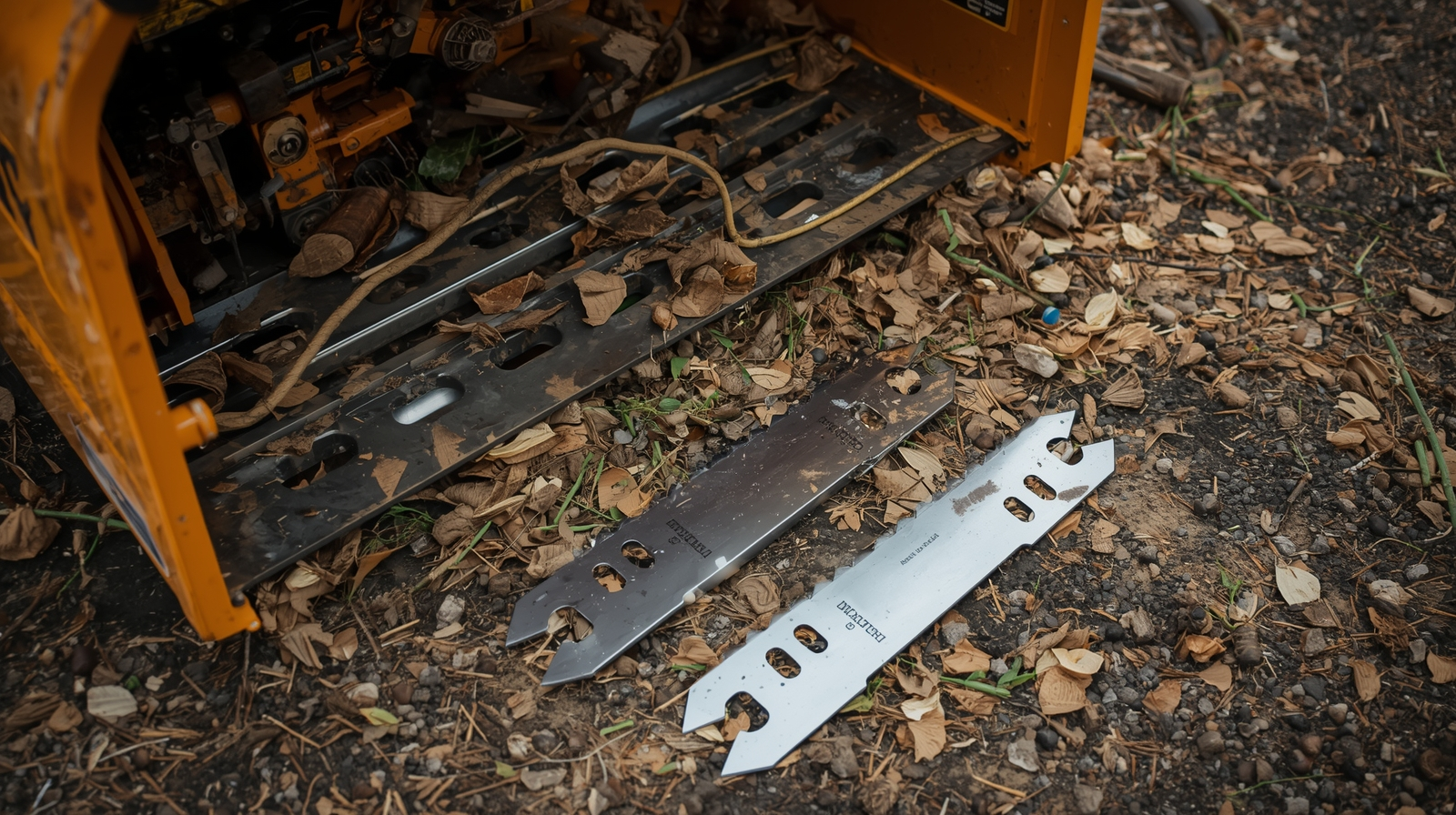
Every yard crew has dealt with it. A machine that should fly through branches starts dragging its feet. Productivity drops, noise goes up, and everyone gets a little tense. Most of the time, the blades are asking for attention. Stay ahead of that, and the work feels lighter and faster.
This article shares practical tips to maintain chipper blades so daily jobs stay smooth and predictable.
Keep Blades Clean After Every Use
It is easy to ignore cleanup at the end of a long day. Everyone is tired. The truck is packed. All you want is to head home. But dirt, sap, and wood residue love to stick around, and they slowly mess with performance.
A quick clean does more than you might expect.
Clean blades cut better. They also help you spot problems early, before they turn into breakdowns. This habit takes minutes but saves hours later in the week.
Sharpen Blades Regularly
Few things slow a crew down faster than dull chipper blades. Feeding branches starts to feel like work instead of flow. The machine strains. The sound changes. You can almost feel it struggling.
Sharpening keeps everything lighter and smoother.
Some crews sharpen weekly. Others do it monthly. It depends on the workload and material. The key is consistency. Waiting until cuts look bad usually means you waited too long.
Basic sharpening tools work fine for routine care. For heavier wear, letting a professional handle it can be worth every penny. Fresh edges mean cleaner cuts, better mulch, and less strain on the machine and the people running it.
Check Blade Alignment and Tension
Even sharp blades cause problems if they are not sitting right. Loose or misaligned blades create uneven cuts and extra vibration. Over time, that stress spreads to other parts of the machine.
Before a job starts, take a few minutes to check alignment.
These quick checks help avoid mid job surprises and keep everything running the way it should.
Use the Right Blades for the Job
Not every yard throws the same kind of material at you. One day it is leafy branches and soft growth. The next day it is thick twigs and stubborn wood.
Using the wrong blade type wears equipment faster and makes work harder than it needs to be.
Matching blades to material keeps cutting smooth and steady. It also reduces wear and tear and keeps fuel use reasonable. Crews that adjust based on the job tend to finish faster and with fewer issues.
Small changes here can make a noticeable difference by the end of the week.
Store Your Blades Properly
Storage is one of those things people skip until rust shows up. Moisture and poor storage quietly undo good maintenance work.
Blades last longer when treated with care.
Clean and dry storage helps preserve sharpness and prevents corrosion. It also means fewer surprises when you pull equipment out for the next job.
Replace Blades When Needed
There comes a point when sharpening stops helping. Cracks, heavy chips, and worn edges are signs that replacement time has arrived.
Running damaged blades is risky. It slows work, stresses the machine, and can cause safety issues.
Looking at your blades often gives you a heads up before problems show up on site. Swapping them early feels cheaper than losing time or dealing with a machine that starts acting up mid job.
Safety Always Comes First
No amount of productivity matters if someone gets hurt. Blade maintenance always requires caution.
Safe habits protect your crew and help everyone go home in one piece. Calm, careful work usually leads to better results anyway.
Wrapping It Up
Taking care of chipper blades does not feel exciting, but it quietly shapes how your workdays go. Clean blades cut better. Sharp edges save time. Proper checks prevent breakdowns. Good storage adds years to equipment life.
When these habits become routine, jobs feel lighter. Crews move faster. Machines cooperate instead of fight back. You finish the day tired, sure, but not frustrated.
A little care here and there keeps the work flowing and helps yard crews focus on what they do best. Turning messy spaces into clean ones and heading home knowing the job went right.