Clearing Land Isn’t Loud at First. It Sneaks Up on You.
One day, the land looks fine.
Nothing urgent. Nothing broken.
Then weeds get taller. Brush thickens. Trees start leaning into places they were never invited. Paths shrink. Projects slow down. And suddenly, a site that seemed manageable starts demanding more time, more effort, and more planning than expected. That’s usually the point where people realize a land clearing machine isn’t just equipment anymore. It’s the difference between staying on schedule and falling behind before work even begins.
That moment doesn’t come with warnings. No alarms. Just delays. Extra costs. And a lot of “this should’ve been handled earlier.”
Why Site Prep Sets the Pace for Everything Else
Land clearing is often treated like a warm-up task. Something that happens before the “real work” starts.
In reality, it decides how fast everything else can happen.
Construction, utilities, access roads, drainage, development. None of it moves until the ground is ready. And if clearing takes longer than expected, every crew after that waits.
Delays usually come from a few familiar issues:
Each pause adds time. Sometimes days. Sometimes weeks. That’s why more planners are treating site prep as a scheduling decision, not just cleanup.
Old Clearing Methods Create New Problems
Traditional clearing sounds straightforward. Cut trees. Remove stumps. Load debris. Haul it off.
On paper, it works. On-site, it often turns messy.
Older approaches usually mean more machines competing for space, more ground disturbance, and more back-and-forth. Once the soil gets torn up, fixing it becomes another task altogether.
That’s where frustration sets in. Crews finish clearing, then spend extra time repairing what the clearing damaged.
Instead of one clean phase, it turns into several overlapping ones.
How Modern Equipment Changed the Approach
Over the past few years, the focus has shifted toward doing more in fewer passes.
Rather than cutting, piling, and hauling, vegetation is often processed right where it stands. That reduces handling and keeps sites more stable.
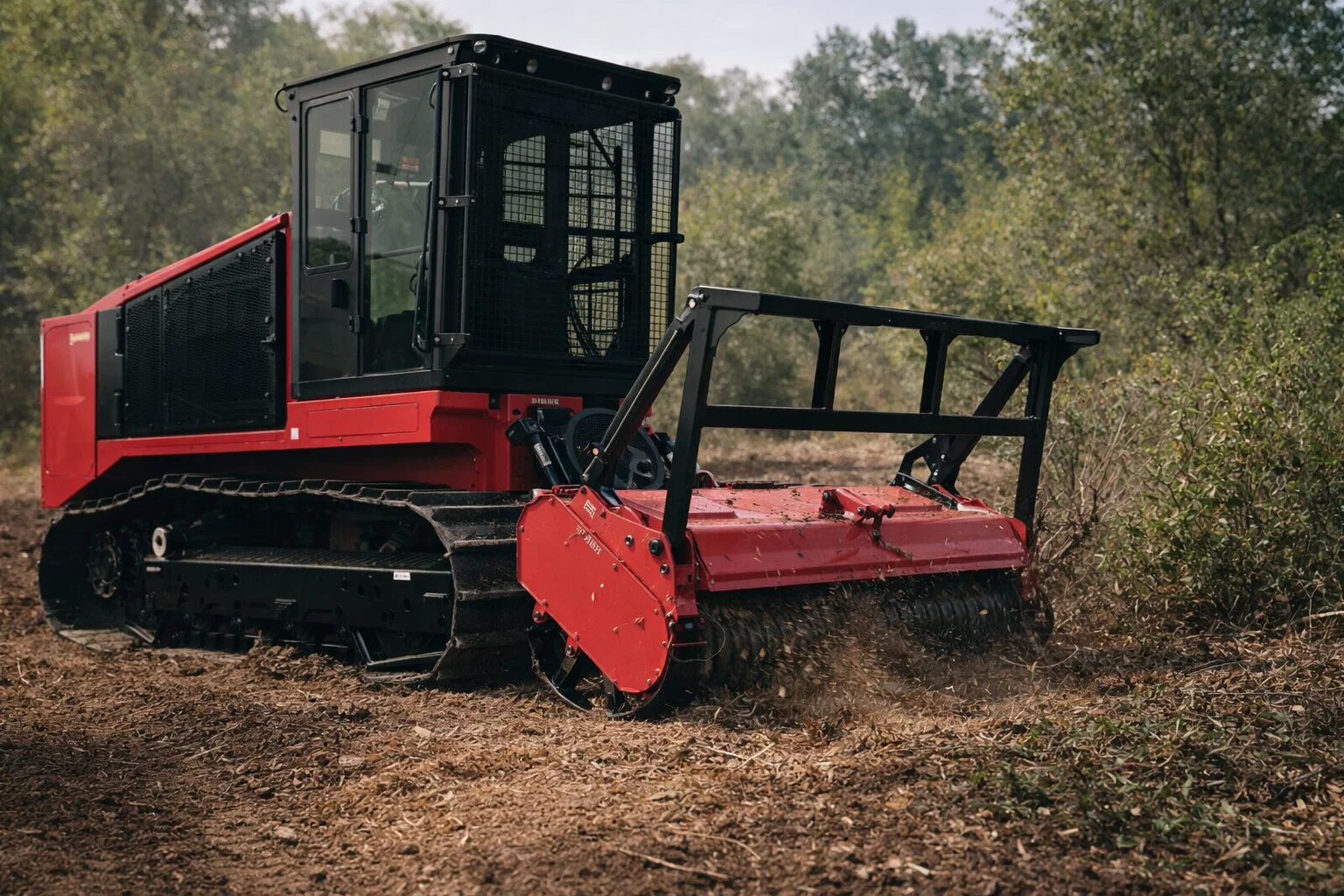
This is where a land clearing machine shows up as part of planning instead of a last-minute rental decision. It allows brush, trees, and surface material to be handled in one controlled operation, without creating new obstacles for the next crew.
The difference isn’t noise or speed. It’s consistency.
What Faster Clearing Actually Looks Like on Site
Speed doesn’t mean rushing. It means fewer interruptions. On sites using modern clearing setups, the workday looks different:
No constant machine swaps. No waiting on trucks. No half-cleared areas sitting idle. That steady progress is what shortens timelines.
Why Local Projects Feel Delays More Than Anyone
Large projects can absorb lost time. Smaller and mid-size jobs usually can’t.
A delayed clearing phase can push back road reopenings, utility upgrades, or development schedules that communities are already watching closely.
That’s why the clearing strategy now gets discussed earlier in local planning. Not after permits. Not after the equipment shows up. Early.
Shorter prep windows mean less disruption, fewer repeat visits, and smoother transitions between project phases.
What This Shift Means for Future Projects
Land use across the region isn’t slowing down. Infrastructure work continues. Development still needs space.
What’s changing is how that space gets prepared.
Clearing is no longer treated as a loud, one-time task that just needs to be checked off. It’s being planned earlier and handled with more intention.
Crews are looking for fewer moving parts, steadier progress, and less cleanup after the fact. That means choosing approaches that keep soil stable, limit repeat visits, and avoid dragging equipment on and off a site.
The results show up quietly. Shorter prep windows. Fewer surprise delays. Projects that move forward instead of pausing before they even start.
The Bottom Line for Timelines
Land itself rarely causes delays, but weak planning does.
Projects that stay on schedule usually make one early decision that doesn’t get much attention. They match the clearing approach to actual site conditions instead of forcing outdated methods to work harder than they should.
That choice affects everything that follows. How fast crews move. How predictable costs remain. How soon will the next phase begin?
Clearing may not be the most visible part of a project, but it often decides how smoothly everything else unfolds. And once people notice that connection, it’s hard to ignore it on the next job.