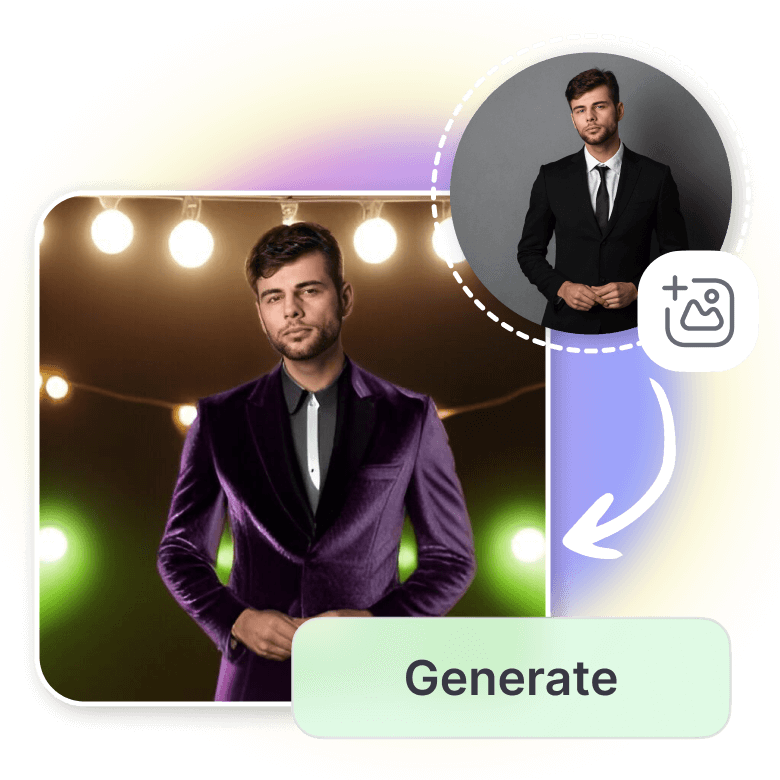
The explosion of AI headshot technology has sparked an unexpected debate: does using artificial intelligence to enhance your professional image undermine the authenticity that builds genuine business relationships? An AI headshot generator promises studio-quality results in minutes, yet critics argue these algorithmically-perfected portraits sacrifice the human imperfections that make us trustworthy. This tension between technological convenience and authentic representation defines professional imaging in 2026, requiring thoughtful navigation rather than blanket acceptance or rejection.
Traditional professional photography itself involves substantial artificial enhancement—carefully controlled lighting eliminates skin imperfections, strategic posing minimizes unflattering angles, and post-production retouching smooths wrinkles and brightens teeth. The photographer's skill lies in creating idealized yet believable versions of clients. This raises a fundamental question: if we accept human-directed enhancement as legitimate, why does AI-powered enhancement trigger authenticity concerns?
The distinction appears to lie in degree rather than kind. Professional photographers enhance reality while preserving recognizable likenesses—the person in the photo remains identifiable during video calls or in-person meetings. AI generators, particularly lower-quality ones, can cross into fabrication territory, creating portraits that diverge noticeably from actual appearance. Studies show AI-generated headshots rated as less "trustworthy" and "competent" than human-captured photos when viewers detected artificial characteristics.
Perception matters more than technical reality. Research reveals that even when AI headshots appear flawless, professionals express skepticism once they know the image's algorithmic origins. This psychological response suggests authenticity concerns extend beyond visual quality into philosophical territory—people question whether AI-enhanced professionals are "hiding" something or misrepresenting themselves, regardless of actual image accuracy.
Certain industries explicitly resist AI-generated professional imagery due to trust requirements. Law firms, healthcare organizations, financial institutions, and consulting practices increasingly ban AI headshots in employee materials, citing brand consistency and authenticity concerns. These sectors recognize that client relationships depend on perceived honesty—any suggestion of artificiality undermines the trustworthiness these professions require.
Visual anomalies create immediate credibility problems. AI generators sometimes produce unnatural eye reflections, inconsistent dental structures, overly smoothed skin textures, or impossible lighting angles. Professional observers—particularly photographers, designers, and visual communications specialists—detect these inconsistencies instantly, triggering skepticism about the subject's judgment and attention to detail. If you cannot manage your professional image properly, clients wonder whether you handle their matters with equal carelessness.
The "uncanny valley" effect damages networking effectiveness. When AI headshots look almost but not quite realistic, they trigger discomfort rather than connection. People instinctively sense something "off" without consciously identifying the specific issue. This subconscious unease poisons first impressions, the opposite effect professional photos should create. Mirror neurons that normally help viewers connect with genuine expressions fail to activate with artificial imagery, preventing the empathetic response that builds rapport.
Transparency emerges as the central ethical principle. Some professionals explicitly disclose AI-generated headshots in profile descriptions, eliminating deception concerns while benefiting from cost and convenience advantages. This approach works particularly well for budget-constrained professionals who otherwise couldn't afford any professional imagery—honesty about AI usage proves more credible than unprofessional selfies.
Accuracy requirements should guide AI headshot decisions. If your generated image closely matches your actual appearance during video calls, ethical concerns diminish significantly. The test is simple: would colleagues meeting you in person recognize you immediately from your AI headshot? If substantial discrepancies exist—different hair color, body type, age appearance, or facial structure—the image crosses from enhancement into misrepresentation.
Context determines appropriateness. AI headshots function well for social media profiles, personal websites, or casual networking contexts where visual polish matters but stakes remain relatively low. They become problematic for high-trust contexts like executive recruiting, board positions, medical practice profiles, or legal representations where authenticity expectations are explicit. Understanding these contextual boundaries prevents ethical violations while capturing AI technology's legitimate benefits.
Quality AI generators that prioritize realism over idealization navigate authenticity concerns successfully. Platforms preserving natural skin textures, realistic lighting, and authentic facial characteristics deliver enhancement comparable to traditional photography rather than fabrication. These tools improve professional presentation without triggering the credibility damage that obviously artificial images create.
Regular updates maintain authenticity over time. Even accurate AI headshots become misleading as you age, change hairstyles, or experience significant appearance shifts. Professionals should regenerate AI headshots every 6-12 months, ensuring digital representations align with current reality. This practice demonstrates commitment to authentic presentation while capturing AI efficiency for routine updates.
Hybrid approaches offer practical compromise solutions. Many professionals use AI generators for preliminary visual branding, then invest in traditional photography for primary business contexts. AI headshots populate social media profiles, internal company directories, and low-stakes platforms, while photographer-created images serve LinkedIn, company websites, and client-facing materials. This strategy balances cost efficiency with authenticity requirements across different professional contexts.
Evaluate your industry's trust requirements before adopting AI headshots. Conservative fields prioritizing tradition and credibility—law, medicine, finance, academia—may view AI imagery skeptically regardless of quality. Creative industries, technology sectors, and entrepreneurial contexts generally accept AI headshots without concern, viewing them as practical efficiency rather than authenticity compromise.
Test your AI headshot with trusted colleagues before widespread adoption. Request honest feedback about whether the image looks naturally professional or artificially enhanced. If people immediately identify it as AI-generated, the image likely damages rather than enhances your credibility. Successful AI headshots should be indistinguishable from quality traditional photography in casual observation.
The most effective AI professional headshot generator serves professionals who understand that authenticity is about accurate representation, not production method. By selecting realistic generators, maintaining appearance accuracy, and applying AI headshots in appropriate contexts, you can capture technology's efficiency benefits while preserving the genuine professional identity that builds lasting business relationships and career success.