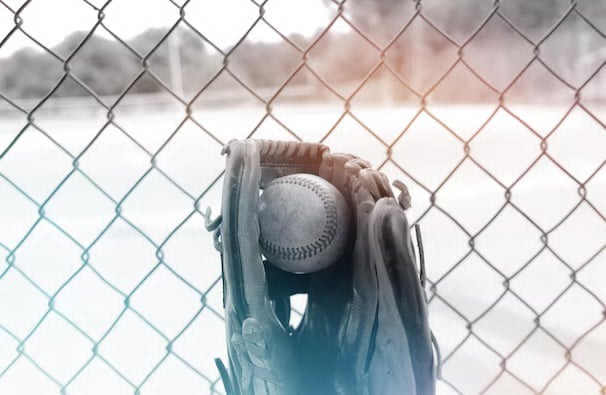
A baseball batting cage netting is a sturdy, long-lasting fabric mesh, usually constructed from materials such as nylon or polyethylene, employed to form enclosed spaces (cages) for baseball and softball batting practice, thereby confining balls, safeguarding players and assets, and enabling safe, concentrated hitting drills. These nets are designed to be weather-resistant and come in various strengths, mesh sizes, and configurations for different training needs, ranging from youth leagues to professional facilities, and are equipped with UV protection and waterproof capabilities.
Carrying out Maintenance in Severe Weather Conditions
Keeping the Baseball Batting cage netting in a batting cage in good condition during severe weather will prolong its lifespan and ensure practice sessions remain secure. Here are the practical steps and best practices.
Inspect Regularly
Conduct a comprehensive inspection at the beginning and end of each season.
Examine the fabric for tears, holes, frayed edges, loose knots, and snapped ties.
Inspect the frame, supports, and anchor points for signs of rust, bending, or loosening.
Cleaning
Dispose of accumulated debris (leaves, snow, dirt) using a soft brush or blower.
Wash off with water to eliminate mud or dirt. High-pressure washing should be avoided as it can damage mesh or grommets.
Allow Baseball Batting cage netting to dry completely before covering or storing in order to prevent mold from forming.
Weather-specific Care
Frigid, Icy Conditions.
Check for frost damage after the thaw, as snow or ice can cause seams to stretch or tear.
Handle clear ice with care; excessive weight can lead to sagging or tears.
High Winds:
Make certain that all ties, zippers, and fasteners are securely fastened.
Use wind straps or additional guy lines if your setup permits.
Implementing a windbreak or partial enclosure can help diminish exposure to wind.
High levels of Rainfall or Moisture.
Ensure proper drainage around Baseball Batting cage netting to prevent water from accumulating at its base.
Prevent mildew or corrosion of metal parts by drying any wet areas.
Sun/UV Exposure:
If available, use UV-resistant netting; inspect for fibers weakened or bleached by the sun.
Examine the upper corners and edges, as UV damage frequently occurs in these areas.
Maintenance and Repair Works.
Repair small tears using either compatible netting patches or heat-shrink patches, and secure baseball batting cage netting as necessary with a needle and thread or zip ties.
Re-tighten loose knots: Replace frayed knots with new knots or use heavy-duty zip ties that can withstand outdoor use.
Secure the edges: Verify the condition of the border rope or cable; replace any damaged sections to avoid further damage.
Inspect carabiners, hooks, eye bolts, and anchors for signs of corrosion; lightly lubricate any moving metal parts with silicone spray when necessary, but avoid using oil-based lubricants that draw dirt.
Tighten the bolts and brackets and replace any corroded hardware. Inspect sleeves or pole-mounted sleeves for signs of wear.
Protective Measures
When possible, use a protective top panel or rain cover to shield against direct rain and UV radiation.
Install a tucked-in bottom to minimize pests and water pooling; ensure correct tension to prevent sagging.
Installing chain-link or additional fencing around the cage can provide extra protection in harsh environments.
Types
Characteristics and Varieties
Thicker twine (higher numbers such as #36, #42) provides greater durability and a longer lifespan compared to thinner twine (#21).
Construction:
Tied with knots: A traditional option that is easily repairable when damaged.
Knotless baseball batting cage netting systems can be initially more robust but more challenging to repair when they fail.
Baseball is usually played with a 1-3/4 inch square mesh that allows the ball to be contained while still being visible.
For outdoor use, look for netting that has been treated with UV and coatings that are water-resistant for all-weather protection.
Securing borders with ropes or vinyl strips enhances durability and reduces fraying, thereby prolonging the net's lifespan.