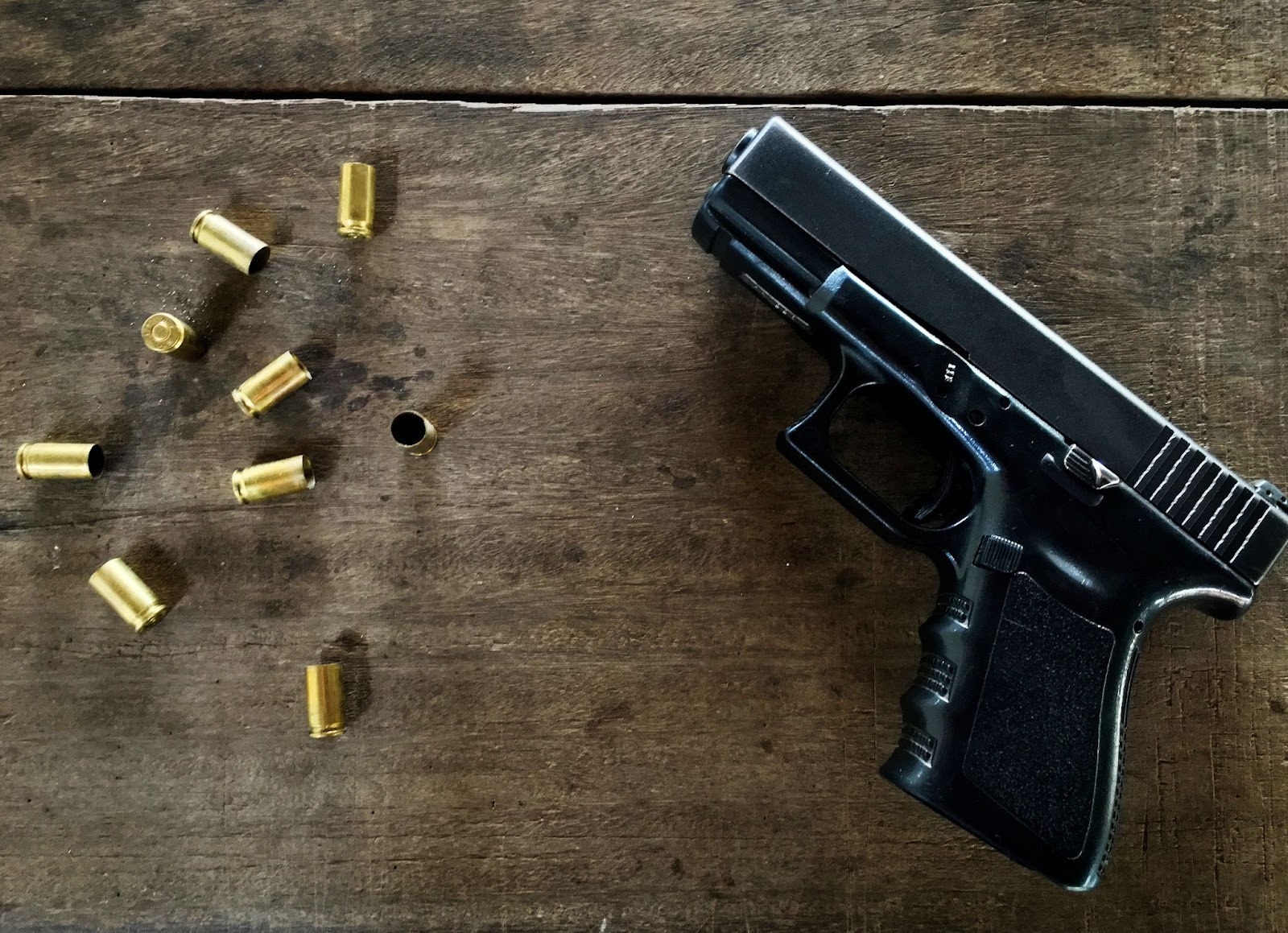
Choosing a handgun for home defense is not about chasing novelty, brand prestige, or the loudest claims in advertising. It is about selecting a tool that will work when conditions are worst—low light, elevated stress, imperfect grip, and limited time to think. An ideal home-defense handgun earns its place through consistency, controllability, and the owner’s long-term commitment to mastering it.
This discussion focuses on real-world use rather than trend cycles. The best handgun for self defense is the one that aligns with how people actually live, train, and respond under pressure.
Home-defense encounters are overwhelmingly close-range, fast-moving, and disorienting. They rarely resemble controlled range sessions. Fine motor skills degrade quickly, vision narrows, and auditory exclusion is common. A defensive handgun must therefore function reliably with gross motor input and forgive less-than-perfect execution.
This reality favors simplicity and predictability. Controls should be intuitive. Recoil should be manageable enough to allow rapid follow-up shots. Ergonomics should support a firm grip even when hands are sweaty, shaking, or partially compromised.
One often-overlooked reality is that defensive encounters inside the home rarely allow for a perfect stance or two-handed grip. A handgun that remains controllable when fired from compromised positions—around door frames, from partial cover, or while moving—is far more relevant than one optimized only for square-range performance. Any handgun that demands exceptional technique to perform adequately is poorly matched to defensive use.
Reliability is not a marketing slogan; it is a demonstrated pattern of consistent performance over time. A handgun intended for home defense must run clean and dirty, with duty-grade ammunition, and across extended firing schedules.
Mechanical reliability also includes tolerance for user error. A design that functions only when perfectly maintained or gripped is less suitable for defense than one that continues operating despite suboptimal conditions. This is why many experienced shooters prioritize proven platforms with conservative engineering over more experimental designs.
Ergonomics determine whether a handgun can be used effectively by its owner, not by an idealized shooter. Grip angle, texture, reach to the trigger, and slide manipulation all matter more than published specifications.
A well-designed handgun allows the shooter to maintain a natural point of aim and consistent trigger press without strain. This reflects a broader shift in defensive handgun design toward consistency and real-world usability rather than cosmetic features—a philosophy increasingly emphasized by manufacturers such as Rost Martin.
Ergonomics are not about comfort alone; they directly influence accuracy, speed, and confidence under stress.
Caliber debates often overshadow more important considerations. In practical terms, modern defensive ammunition has narrowed the performance gap between common service calibers. What remains critical is the shooter’s ability to control recoil and deliver accurate, repeatable shots.
In indoor environments, recoil management is not just about comfort—it directly affects target accountability. Excessive muzzle rise increases the risk of missed shots under stress, particularly in confined spaces where margins for error are small. A caliber that produces excessive recoil for a given shooter undermines effectiveness. Conversely, a manageable caliber that allows rapid, accurate fire is far more defensible. The best handgun for self defense is therefore defined less by ballistic theory and more by practical shootability over time.
Home-defense handguns must balance capacity with handling. While extreme concealability is irrelevant inside the home, excessively large pistols can be difficult to maneuver in confined spaces or retain during close encounters.
In real home-defense scenarios, overall balance and recoil control often matter more than barrel length or sight radius. In low-light conditions especially, the ability to positively identify a target before engaging becomes as important as mechanical accuracy, reinforcing the role of training and thoughtful home-defense planning rather than reliance on equipment alone. Hallways, door frames, and tight corners place a premium on how quickly a handgun can be indexed, controlled, and brought back on target, rather than on theoretical ballistic advantages.
A mid-sized handgun often represents the most practical compromise, offering sufficient capacity without sacrificing control. Capacity should be viewed as a margin of safety rather than an invitation to careless shooting. Responsible ownership emphasizes accuracy and judgment first.
A defensive handgun is only as effective as the training behind it. An ideal choice supports consistent practice through manageable recoil, affordable ammunition, and durable construction.
Owners should consider whether the handgun encourages regular range time or becomes a chore to shoot. Platforms with widely available magazines, holsters, and replacement parts make long-term ownership more sustainable. This is a key reason many of the best handguns for home defense are not the newest models, but those with established ecosystems and documented longevity.
The firearms industry, like any other, is influenced by cycles of novelty. New features are often marketed as revolutionary when they offer marginal real-world benefit. Defensive handguns should be chosen for what they do consistently, not what they promise theoretically.
Evaluating a handgun over years rather than months reveals its true strengths and weaknesses. Reliability records, institutional adoption, and long-term user feedback matter more than launch-day enthusiasm. Manufacturers that emphasize modern engineering discipline and quality control—rather than aesthetic differentiation—reflect a more mature approach to defensive design, one increasingly visible across newer entrants such as Rost Martin.
Selecting a handgun for home defense carries ethical weight. Ownership implies a commitment to safe storage, clear legal understanding, and disciplined decision-making. The firearm is not a talisman; it is a last-resort tool.
The ideal home-defense handgun supports restraint as much as readiness. It should be familiar enough that its use is deliberate rather than reactive. It should reinforce the gravity of defensive force, not trivialize it.
The best handgun for home defense is not defined by brand recognition or specifications alone. It is defined by how reliably it performs, how intuitively it handles under stress, and how well it aligns with the user’s training and environment.
When those elements work together, a defensive handgun becomes not a symbol of fear or aggression, but a deliberate component of responsible preparedness—grounded in judgment, restraint, and respect for the gravity of defensive force.