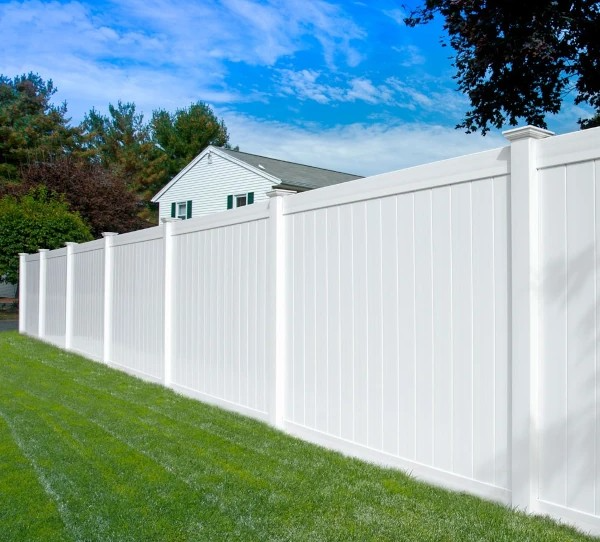
Drive through almost any new residential development today, and you’ll notice a clear pattern: vinyl fencing is everywhere. From backyard boundaries to side-yard dividers, vinyl fences have become the go-to choice for many builders and developers.
This shift didn’t happen by accident. Vinyl fencing offers practical advantages that align well with the needs of modern neighborhoods, homeowners, and property managers. In this article, we’ll break down why vinyl fences are so common in new residential developments and what makes them a smart long-term solution.
New housing developments are built differently than older neighborhoods. Builders focus on consistency, efficiency, and long-term durability.
Key priorities include:
Vinyl fencing checks all of these boxes, which explains its growing popularity.
One of the biggest reasons vinyl fencing is favored in new developments is how little upkeep it requires.
Unlike wood, vinyl does not:
Homeowners can clean vinyl fences with simple soap and water. For property managers overseeing dozens or even hundreds of homes, this reduces long-term maintenance concerns significantly.
Uniform design is important in planned neighborhoods. Vinyl fencing helps maintain a clean, consistent look across multiple properties.
Vinyl panels:
This consistency helps neighborhoods look well-maintained even as homes age.
Many developers consult professionals who understand large-scale residential fencing layouts to ensure fencing styles match the overall community design.
New residential developments are built with long-term value in mind. Vinyl fencing is designed to last for decades.
It holds up well against:
Because vinyl does not rust, rot, or attract insects, it performs well in a wide range of climates.
Family-friendly design is a priority in modern housing developments.
Vinyl fences offer safety benefits such as:
This makes vinyl fencing especially appealing for neighborhoods with children and pets.
Time matters when entire communities are being built.
Vinyl fencing systems are:
Faster installation helps builders stay on schedule and reduces labor complications.
Budget predictability is critical in residential development.
Vinyl fencing offers:
While vinyl may cost more upfront than some materials, it often saves money over time—especially when used across many properties.
Vinyl fencing performs well in conditions that cause problems for other materials.
It resists:
This reliability reduces warranty claims and homeowner complaints after the community is completed.
Many builders prefer working with fencing providers known for standing behind their installations to ensure long-term performance.
Many new residential developments include homeowners associations (HOAs).
Vinyl fencing is often HOA-approved because it:
This makes it easier for HOAs to enforce standards without constant repairs or repainting.
Privacy is important, but bulky fencing can feel overwhelming.
Vinyl fence panels:
This balance helps create private outdoor spaces without making yards feel closed off.
In new developments, fences often border:
Vinyl fencing handles these shared-use environments well because it resists damage and stays visually consistent, even with frequent exposure.
Many vinyl fencing products are now made with recyclable materials and longer life cycles.
Longer lifespan means:
For developers focused on sustainability, this is an added benefit.
From a homeowner’s perspective, vinyl fencing removes common frustrations.
They don’t have to worry about:
This leads to higher satisfaction and fewer complaints in new communities.
Here’s how vinyl compares in new developments:
Compared to wood
Compared to metal
This versatility makes vinyl a strong all-around option.
Vinyl fences have become common in new residential developments for clear, practical reasons. They offer durability, low maintenance, safety, and visual consistency—qualities that align perfectly with modern neighborhood planning.
For builders, developers, and homeowners alike, vinyl fencing simplifies long-term care while supporting clean, cohesive community design. As residential construction continues to evolve, vinyl fencing remains a dependable choice that meets both functional and aesthetic needs.