The Complete Guide to Laser Cutter Types: CO2, Fiber, and Diode


Laser cutting is not a one-size-fits-all technology.

From hobby crafts to industrial metal fabrication, different laser cutters are designed for very different jobs.

Choosing the wrong type can limit what you can make—or cost you far more than necessary.

This guide breaks down the three laser cutter types that actually matter: CO2, Fiber, and Diode.

You’ll learn how each works, what materials they handle best, their pros and cons, and how to choose the right laser cutter for your needs.

Understanding Core Laser Cutter Technologies

Laser cutters are primarily classified by their laser source, which determines:

  • What materials can be cut or engraved

  • Cutting speed and precision

  • Machine cost and maintenance requirements

For most users, everything comes down to three options.

CO2 Laser Cutters: The Versatile Workhorse

CO2 laser cutters are the most widely used machines for non-metal materials and remain the go-to choice for workshops, makerspaces, and small businesses.

How CO2 Lasers Work

  • A sealed tube filled with carbon dioxide gas is electrically excited

  • This generates an infrared laser beam

  • The beam is reflected by mirrors and focused through a lens onto the material

Ideal Materials

  • Wood

  • Acrylic

  • Leather

  • Fabric

  • Paper and cardboard

  • Rubber

  • Glass and stone (engraving only)

Pros

  • Excellent cutting and engraving quality on non-metals

  • Handles thicker wood and acrylic better than diode lasers

  • Proven, widely available technology

  • Cost-effective for compatible materials

Cons

  • Cannot cut metals effectively

  • Requires regular maintenance (optics cleaning, tube replacement)

  • Larger machine footprint

  • Lower energy efficiency than fiber lasers

Typical Applications

Signage, custom crafts, furniture components, fashion design, architectural models, prototyping, and education.

Fiber Laser Cutters: Precision for Metals

Fiber lasers are the industry standard for metal cutting and marking. If metal is your primary material, this is not optional—it’s required.

How Fiber Lasers Work

  • Laser light is generated and amplified inside doped optical fiber

  • Delivered directly to the cutting head via fiber cable

  • Short wavelength allows metals to absorb energy extremely efficiently

Ideal Materials

  • Stainless steel

  • Carbon steel

  • Aluminum

  • Brass and copper

  • Titanium

Pros

  • Extremely fast and precise metal cutting

  • Very long laser lifespan (often 50,000–100,000+ hours)

  • Minimal maintenance

  • High energy efficiency

  • Excellent for fine detail and industrial production

Cons

  • High upfront investment

  • Not suitable for wood, leather, or acrylic

  • Requires strict safety and ventilation measures

Typical Applications

Metal fabrication, automotive parts, aerospace components, jewelry, electronics, and medical devices.


Diode Laser Cutters: Affordable Entry-Level Option

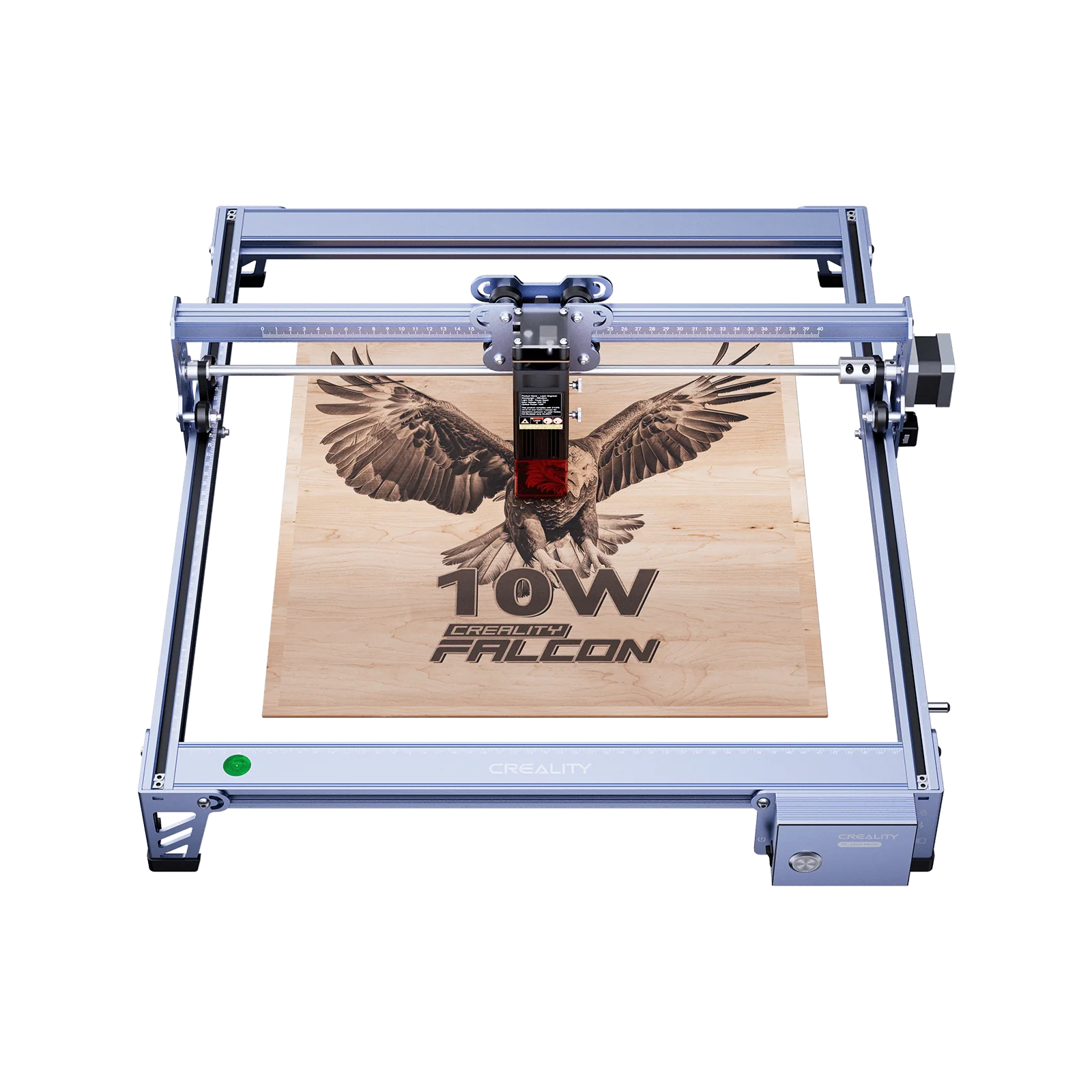
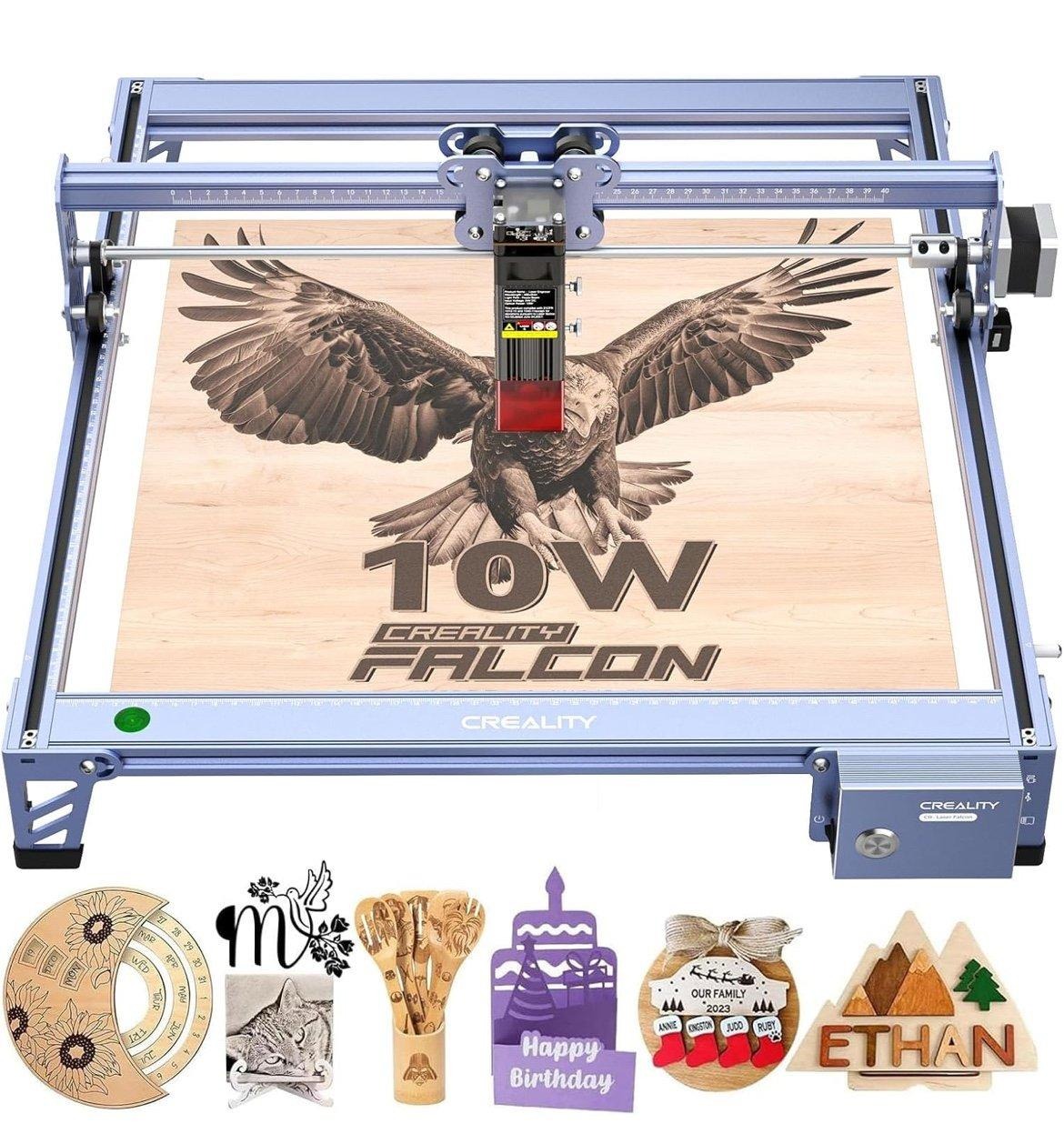
Diode laser cutters are designed for hobbyists, beginners, and light engraving tasks. They are compact, affordable, and easy to use—but limited.

How Diode Lasers Work

  • Laser light is emitted directly from semiconductor diodes

  • Commonly operates around 450 nm (blue light)

Ideal Materials

  • Thin wood

  • Leather

  • Paper

  • Dark acrylic

  • Fabric

  • Coated or anodized metals (engraving only)

Pros

  • Lowest entry cost

  • Compact and portable

  • Low power consumption

  • Minimal maintenance

  • Beginner-friendly

Cons

  • Slow cutting speeds

  • Limited cutting depth

  • Poor performance on clear or light-colored materials

  • Cannot cut metal

Typical Applications

Hobby projects, personalized gifts, educational use, light engraving, and small crafts.

CO2 vs Fiber vs Diode: Quick Comparison

Feature

CO2 Laser

Fiber Laser

Diode Laser

Best for

Non-metals

Metals

Thin non-metals

Cutting ability

Strong

Excellent

Limited

Speed

Medium

Very fast

Slow

Precision

High

Extremely high

Moderate

Typical power

30W–300W+

1kW–20kW+

5W–40W

Initial cost

Medium

High

Low

Maintenance

Moderate

Very low

Very low

Typical users

Makers, SMBs

Industrial users

Hobbyists


How to Choose the Right Laser Cutter

Use this decision framework:

  • Primary materials


  •  
    • Wood, acrylic, leather → CO2

    • Metal → Fiber

    • Light hobby use → Diode

     
    • Intended use


    • Production cutting vs engraving vs marking

     
    • Budget


    • Initial cost + long-term maintenance

     
    • Workspace


    • Machine size and ventilation requirements

     
    • Growth plans


    • Future materials or production scale


Final Thoughts


There is no universally “best” laser cutter—only the right one for your needs.

 
  • CO2 lasers dominate non-metal cutting and engraving

  • Fiber lasers are essential for metal fabrication

  • Diode lasers offer an affordable entry point


Choose based on materials first, budget second, and features last. Do that, and you’ll avoid the most common (and expensive) mistakes buyers make.


author

Chris Bates

"All content within the News from our Partners section is provided by an outside company and may not reflect the views of Fideri News Network. Interested in placing an article on our network? Reach out to [email protected] for more information and opportunities."

FROM OUR PARTNERS


STEWARTVILLE

LATEST NEWS

JERSEY SHORE WEEKEND

Events

January

S M T W T F S
28 29 30 31 1 2 3
4 5 6 7 8 9 10
11 12 13 14 15 16 17
18 19 20 21 22 23 24
25 26 27 28 29 30 31

To Submit an Event Sign in first

Today's Events

No calendar events have been scheduled for today.