Over the past two decades, China has become a central hub in global manufacturing, supplying products to businesses of all sizes worldwide. From consumer electronics and home goods to industrial components, sourcing from China offers clear advantages—including cost efficiency, production scalability, and access to specialized manufacturing expertise. However, it also introduces challenges related to supplier reliability, quality control, regulatory compliance, and cross-border communication.
This is where China sourcing companies play an important role, helping international buyers navigate an increasingly complex supply chain environment. Rather than acting as simple intermediaries, these firms often provide structured sourcing frameworks that help reduce risk, improve transparency, and maintain consistency across production cycles. Understanding how China sourcing companies operate can help businesses make more informed and strategic sourcing decisions.
What China Sourcing Companies Actually Do
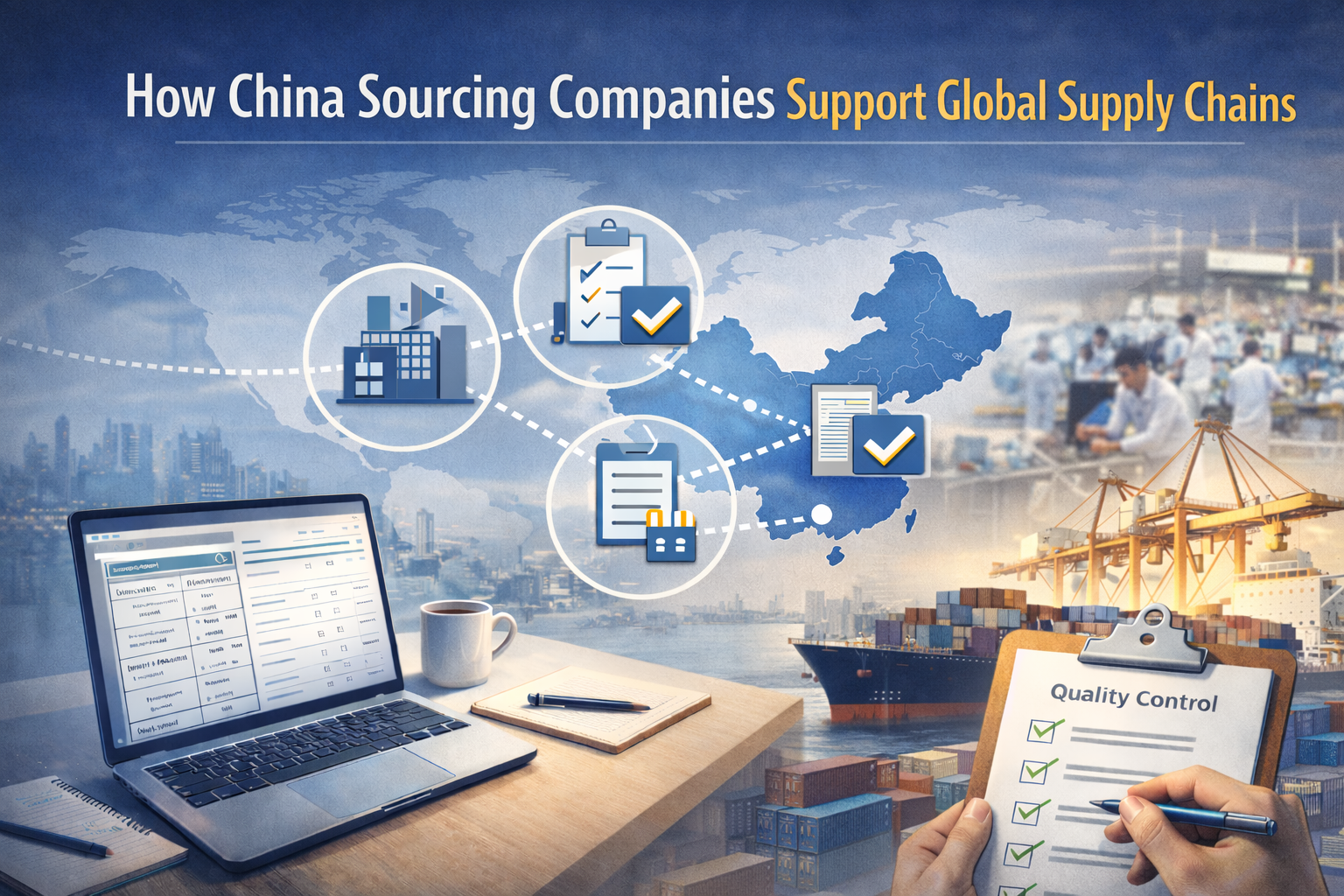
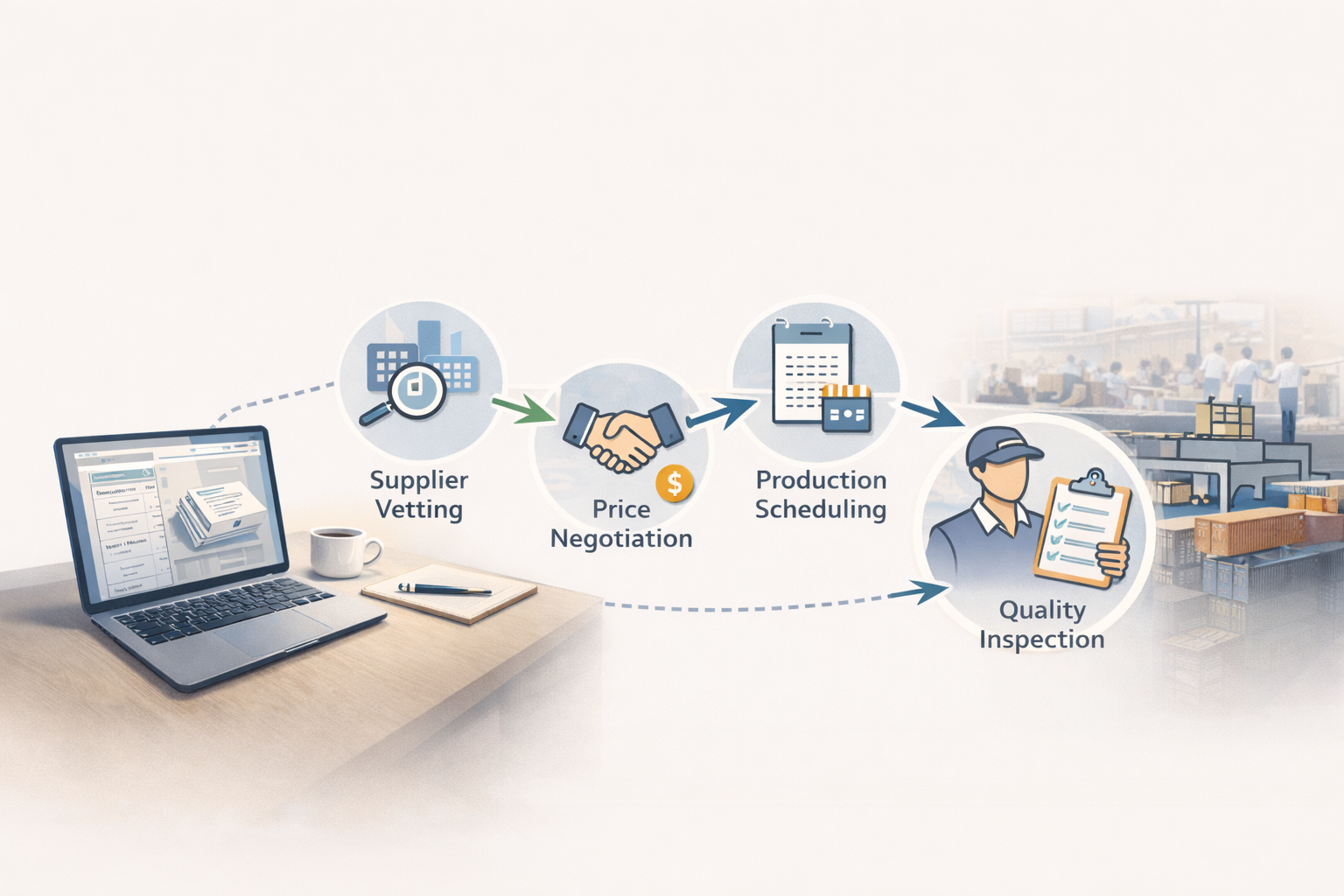
China sourcing companies typically serve as local partners for overseas buyers, acting as an extension of their operations on the ground. Their responsibilities often include identifying suitable manufacturers, verifying supplier credentials, negotiating pricing and payment terms, and coordinating production schedules. Many operate with deep knowledge of regional manufacturing ecosystems, allowing them to match specific product requirements with the most capable suppliers.
Because they operate within China’s manufacturing environment, sourcing companies are familiar with local business practices, factory standards, and regional production strengths. This local insight allows them to identify appropriate suppliers beyond surface-level online listings or incomplete public information. They also understand the nuances of different manufacturing regions—whether it is electronics production in Shenzhen, textile manufacturing in Jiangsu, or machinery components in Guangzhou.
Many sourcing companies also assist with quality inspections and compliance checks, helping ensure that products meet agreed specifications before shipment. This layer of oversight is especially valuable for businesses that lack the time, budget, or expertise to conduct factory visits or manage inspections independently. More advanced sourcing partners increasingly work with third-party testing laboratories and digital documentation systems to provide transparent and verifiable quality assurance records.
Why Businesses Rely on China Sourcing Companies
Risk management is one of the primary reasons businesses rely on China sourcing companies. Common sourcing challenges—such as inconsistent product quality, delayed production, miscommunication, and supplier reliability issues—often arise when buyers work directly with unfamiliar suppliers across language and cultural barriers. These challenges can result in significant financial losses, operational disruption, and long-term damage to brand reputation.
China sourcing companies help mitigate these risks by acting as a communication bridge between buyers and manufacturers. They clarify technical specifications, confirm production details, address issues early, and resolve disputes before they escalate into costly delays or rejected shipments. For companies new to international sourcing, this support can significantly reduce trial-and-error costs and accelerate time-to-market for new products.
In addition to operational support, sourcing partners help businesses navigate the complex landscape of Chinese regulations, trade policies, and export requirements. They stay current with changing tariff classifications, documentation standards, and compliance rules—an increasingly important function given the evolving nature of international trade relationships.
Within industry discussions, experienced china sourcing company service providers such as fuleisourcing are often referenced as examples of how sourcing partners support supplier selection, quality control, and production coordination across China’s diverse manufacturing regions. Their role frequently extends beyond transactional assistance to strategic partnership, helping businesses build stable, long-term supplier relationships that improve performance over time.
Key Services Offered by Sourcing Partners
While service offerings vary, many China sourcing companies provide a similar core set of functions. These typically include supplier sourcing and vetting based on product category and production capacity; price negotiation and contract coordination; production monitoring to track timelines and output; quality inspections prior to shipment; logistics coordination and export documentation support; and supplier relationship management to ensure ongoing performance standards.
Additional services increasingly offered by sourcing partners include supply chain visibility through digital platforms, allowing clients to track production progress in real time; sustainability and compliance auditing to assess environmental and labor standards; prototyping and product development consultation to improve manufacturability; and technical support to troubleshoot production challenges during manufacturing runs.
Together, these services help buyers maintain visibility and control throughout the sourcing process, even when operating across time zones and language differences. This comprehensive approach also reduces the need for multiple vendor relationships and simplifies overall supply chain management.
Choosing the Right Sourcing Approach
Not every business requires the same level of sourcing support. Some companies may only need assistance identifying reliable factories, while others benefit from full-service sourcing that includes inspections, compliance checks, and logistics coordination. Evaluating sourcing needs based on order volume, product complexity, internal expertise, and long-term growth plans helps determine the most appropriate approach.
It is also important to assess a sourcing partner’s transparency, communication practices, experience within specific product categories, and track record with similar business profiles. Clear workflows, documented processes, consistent reporting, and established relationships with reputable manufacturers are often strong indicators of a well-structured sourcing operation. Increasingly, businesses also consider whether a sourcing partner offers technology integration capabilities, as data-driven sourcing and supply chain visibility tools continue to play a larger role in modern supply chains.
Conclusion
China sourcing companies play a vital role in modern global supply chains by helping businesses manage the complexities of overseas manufacturing. Through local expertise, supplier oversight, risk management, and coordinated processes, they help reduce sourcing risks and improve operational consistency.
For companies seeking to source from China more efficiently and responsibly, understanding how these sourcing partners operate is a critical step toward building a more reliable, resilient, and sustainable supply chain. As global supply chains become increasingly complex and subject to greater regulatory scrutiny, the strategic value of experienced sourcing partners continues to grow.