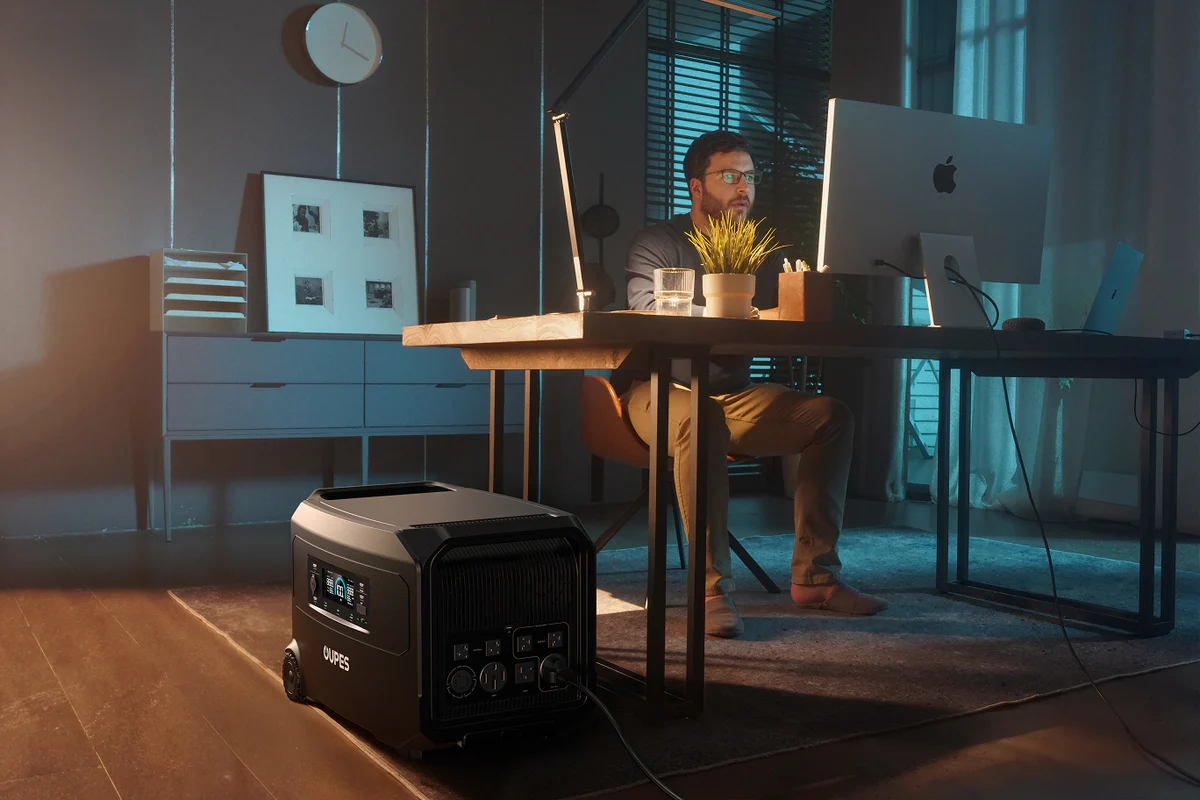
In an era of unpredictable weather, aging power grids, and increasing energy demands, having a dependable backup power solution is no longer a luxury—it’s a necessity. Power outages can disrupt daily life, damage appliances, compromise safety, and interrupt essential services. This is where home backup power stations step in as a modern, efficient, and eco-friendly solution for reliable emergency energy. Whether you want peace of mind during blackouts or independence from the grid, these power systems are transforming how households prepare for emergencies.
Home backup power stations are compact, rechargeable energy systems designed to supply electricity when the main grid fails. Unlike traditional gas generators, these systems rely on advanced lithium batteries and can be recharged using wall outlets, vehicles, or solar panels. A high-quality home battery backup can power critical appliances such as refrigerators, medical devices, Wi-Fi routers, lighting, and even heating systems for hours or days, depending on capacity.
Their quiet operation, lack of emissions, and ease of use make them ideal for residential environments. As technology advances, these power stations now offer higher storage capacity, faster charging, and smarter energy management features.
Power outages can occur without warning due to storms, floods, heatwaves, earthquakes, or technical failures. In some regions, rolling blackouts are becoming increasingly common due to energy shortages. Without backup power, households may face food spoilage, communication breakdowns, and health risks—especially for families with elderly members or medical equipment.
A reliable home backup power station ensures continuity. It keeps your essentials running, maintains comfort, and allows you to stay connected. For homeowners seeking resilience and preparedness, investing in a home battery backup system is a proactive step toward energy security.
One of the most significant advantages of modern backup power stations is their versatility. These systems are designed to adapt to various household needs and emergency scenarios.
First, they provide instant power. Unlike fuel generators that require setup and refueling, a home battery backup activates immediately when needed. Second, they are environmentally friendly. With zero emissions and compatibility with solar charging, they support cleaner energy use. Third, they are cost-effective over time. Without fuel expenses or extensive maintenance, long-term ownership is more economical.
Additionally, many models include multiple output options, allowing users to power everything from smartphones to large appliances simultaneously.
One of the standout features of modern home backup power stations is solar compatibility. Pairing your power station with solar panels allows you to generate electricity independently, even during prolonged outages. This is particularly useful in sunny regions where renewable energy can sustain essential household operations for extended periods.
Solar-powered systems reduce reliance on the grid and fossil fuels. During emergencies, solar charging ensures that your backup power doesn’t run out. This combination transforms a standard home battery backup into a long-term energy solution rather than a short-term fix.
Traditional gas generators have long been the go-to option for emergency power, but they come with several drawbacks. They are noisy, produce harmful emissions, require fuel storage, and demand regular maintenance. In contrast, home backup power stations offer a cleaner, quieter, and safer alternative.
Battery-based systems can be used indoors without ventilation concerns, making them ideal for apartments and urban homes. They are also more user-friendly, often featuring digital displays and app-based monitoring. For families prioritizing safety, convenience, and sustainability, battery power stations clearly outperform conventional generators.
While these systems are designed for residential use, their applications extend beyond stationary living. Many users rely on a solar generator for rv travel, camping, and off-grid adventures. The same technology that keeps a home running during outages can power appliances, lighting, and electronics on the road.
A solar generator for RV use provides energy independence while traveling, eliminating the need for noisy fuel generators at campsites. This dual-purpose functionality makes home backup power stations a valuable investment for both emergency preparedness and outdoor lifestyles.
Selecting the right home backup power station depends on your specific energy needs. Start by calculating the total wattage of essential appliances you want to power during an outage. Consider both running watts and surge watts for devices like refrigerators or air conditioners.
Battery capacity, measured in watt-hours (Wh), determines how long your system can operate. Output power, measured in watts (W), indicates how many devices can run simultaneously. Expandability, charging speed, and solar compatibility are also crucial factors.
For homeowners who travel frequently, choosing a model that doubles as a solar generator for RV ensures maximum value and flexibility.
Modern home backup power stations are equipped with intelligent energy management systems that optimize performance and protect devices. Features such as overload protection, temperature control, short-circuit prevention, and battery management systems (BMS) enhance safety and longevity.
Some advanced models offer Wi-Fi or Bluetooth connectivity, allowing users to monitor energy usage in real time through mobile apps. This smart functionality ensures efficient energy distribution and prevents unexpected shutdowns during critical moments.
Owning a home battery backup is only part of the solution. Proper preparation ensures maximum effectiveness during emergencies. Keep your power station fully charged, especially during storm seasons. Test it periodically to ensure all outlets and features function correctly.
Create a priority list of essential devices, such as medical equipment, refrigeration, and communication tools. By managing energy usage strategically, you can extend battery life and maintain comfort throughout the outage.
As renewable energy adoption grows and battery technology improves, home backup power stations will become even more powerful and accessible. Innovations in lithium-ion and solid-state batteries promise longer lifespans, faster charging, and higher energy density.
Governments and utility providers are also encouraging decentralized energy solutions, making home battery backup systems a cornerstone of future smart homes. With the added benefit of solar integration, these systems represent a shift toward self-sufficient and resilient living.
Home backup power stations provide a reliable, clean, and versatile solution for emergency energy needs. From protecting your household during unexpected outages to supporting off-grid travel with a solar generator for RV, these systems deliver unmatched flexibility and peace of mind.
By investing in a high-quality home battery backup, homeowners can ensure uninterrupted power, enhance safety, and reduce dependence on traditional energy sources. As power disruptions become more common, having a dependable backup solution is no longer optional—it’s essential for modern living.