
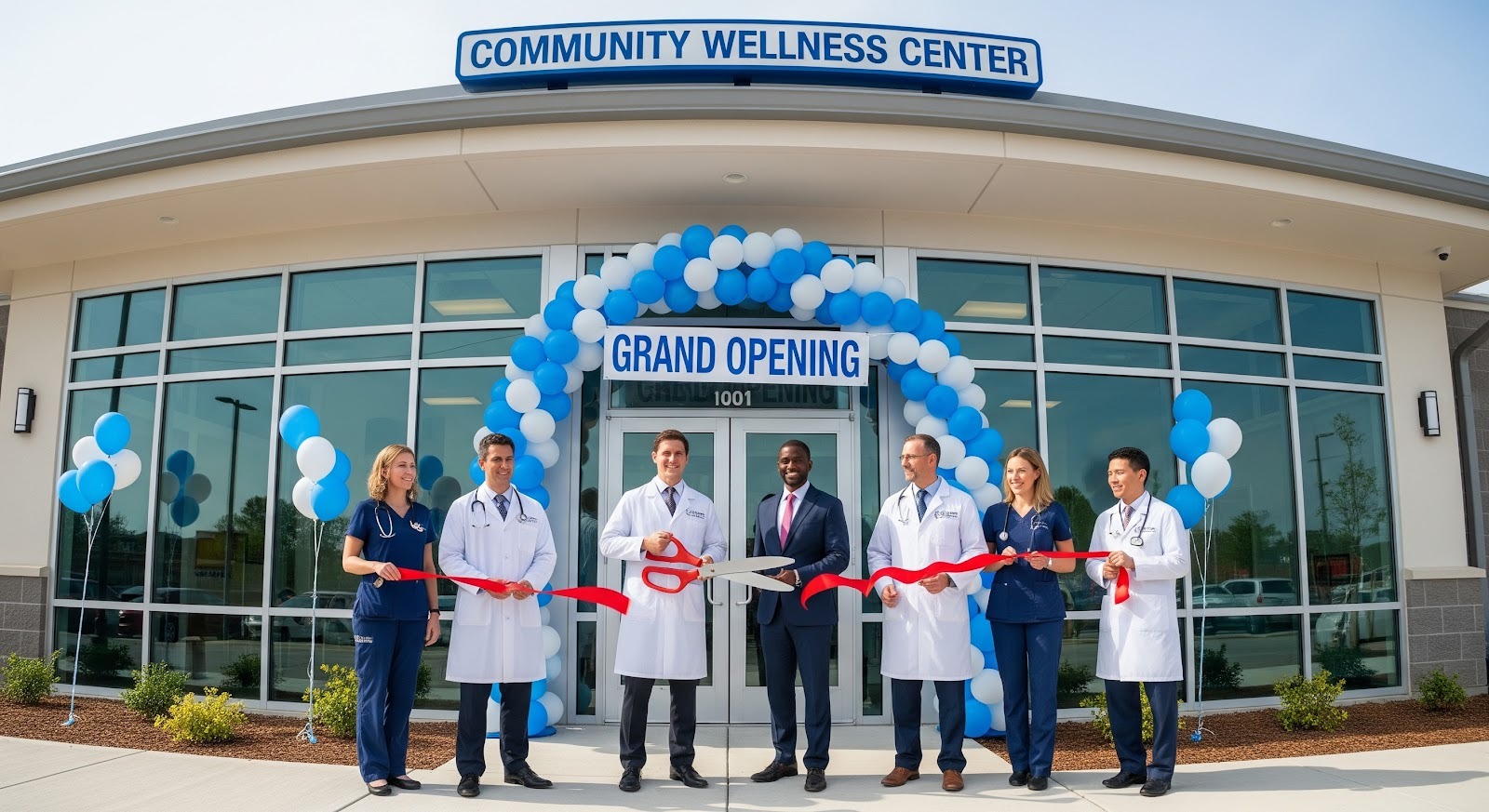
Opening a clinic is half medicine, half operations. To turn a great care model into reliable demand, early-stage practices need a compliant, measurable growth engine—not a collection of disconnected tactics. The framework below focuses on access, trust, and accountability so corporate stakeholders can see a clear line from investment to attended visits.
Capacity is the first marketing asset. Publish accurate provider panels, accepted insurances, appointment types, and next-available times on your site and scheduling system. Mirror that data in your Google Business Profile and across location/service pages so “near me” searches surface the right entry points. Encourage reviews with a compliant process and respond professionally—patients and payers equate prompt, transparent communication with clinical reliability. U.S. guidance on patient experience and communication ethics can help calibrate tone and content (see the Agency for Healthcare Research and Quality and the American Medical Association for practical guardrails).
Most new-patient intent begins locally. Align your NAP data, categories, and services everywhere patients search; implement LocalBusiness/Physician/FAQ schema; and ensure every page that ranks has a single, obvious path to scheduling. If you rely on call-only workflows, add after-hours capture with a “request an appointment” form and next-morning follow-up. For paid pilots, bid only on services you can staff this month. As your review volume grows, showcase representative quotes that reflect real experiences and avoid protected health information—HIPAA’s marketing guidance outlines when written authorization is required for testimonials and communications in marketing contexts (see HHS for specifics).
Patients don’t search for brand slogans; they search for solutions to specific problems. Build articles around symptoms, conditions, and “what to expect” timelines: when to seek care, how the first visit works, and how outcomes are tracked. Explain referral and payer pathways plainly. When you reference market resources, keep it neutral and helpful—e.g., a practical overview of how to get patients for a new clinic can frame the broader access ecosystem for new practices and vendor partners without becoming a sales pitch. Use authoritative sources to substantiate claims about safety, access, and outcomes (NIH/NLM offers health information quality guidance; ONC provides interoperability and patient-access frameworks that influence digital front doors).
Clicks do not care. Track campaigns through to kept appointments and post-visit actions (e.g., care plans, follow-up scheduling). Pair analytics with an operational rhythm: day-before and day-of reminders, SMS confirmations, and waitlist prompts to backfill cancellations. Report weekly on show rate, channel CAC to attend visit, and speed-to-first-contact for inbound forms or voicemails. When a channel underperforms, fix the bottleneck (message, landing page, scheduling friction) before increasing spend. This closed-loop view lets leadership reallocate budget based on outcomes rather than impressions.
A small clinic can outperform large networks on speed. Publish service-level goals (e.g., “call-back within one business hour,” “first appointment within seven days for non-urgent needs”) and staff to meet them. Equip front-desk teams with clear intake scripts, escalation paths for urgent symptoms, and templated follow-ups. Document these standards in a one-pager for employer groups and referral partners; corporate buyers consistently prioritize access reliability over elaborate marketing claims.
After your scheduling, intake, and review loops are stable, pilot durable partnerships: nearby primary care and pediatrics, employer wellness programs, school/college clinics, and community organizations. Keep each partnership simple—a named contact, agreed timelines for consult notes, and a short monthly outcomes report. As volume grows, expand appointment blocks and add capacity where show rates justify it. Sustainable growth comes from stacking reliable sources, not chasing one-off spikes.
Codify what your team can and cannot say in ads, emails, and chat; include examples. Never use PHI in marketing without explicit authorization. Train staff on how to invite feedback and route concerns offline. Reference AMA guidance on ethical patient communications and HHS resources on marketing permissions to keep outreach both effective and compliant.
Summarize outcomes in terms that finance and clinical leadership recognize: kept appointments per channel, cost per attended visit, no-show rate, referral-to-visit cycle time, and first-visit-to-care-plan conversion. Present trends, not anecdotes. When a tactic works, standardize it; when it doesn’t, pause and document what you learned.
Clinics that convert early momentum into durable growth do five things well: publish real access, meet patients where they search, educate with evidence, measure attendance (not clicks), and earn referrals through predictable operations. With those foundations in place, demand becomes a managed system rather than a guessing game.











