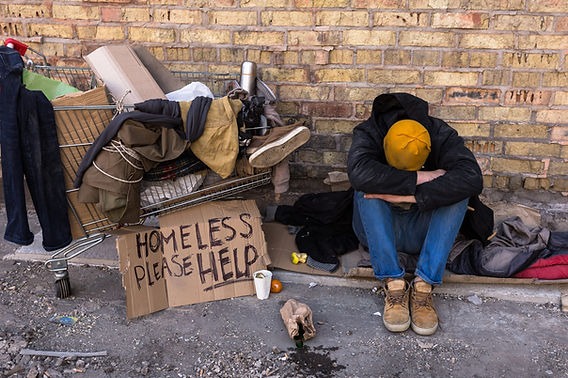
Young people who are homeless face many struggles, from being unsafe to not having access to education or health care. Increased awareness and strengthening of support networks will create opportunities for young people to receive the love that they need. This article examines why more widespread support and public understanding are needed to end youth homelessness.
Youth homelessness frequently arises from some mix of family breakdown, economic difficulty or trauma. Media outreach initiatives help the public understand the wide range of situations that lead to youth homelessness, which in turn helps reduce stigma and builds empathy. Also, solutions are always more targeted and more effective when communities understand the root causes.
Homeless youth cannot go to school, work or be social if they don’t have a safe place to live. Strong housing programmes provide shelter, and they also bring stability, which is vital for someone’s ability to grow. By making sure that young people have access to homes in which they can be safe, this gives them the basis for putting their lives back together and looking ahead at years of life instead of hours.
Trauma or mental health needs may become exacerbated among many homeless youth, necessitating professional intervention. That’s why therapeutic support assists children in processing the past and learning skills to cope going forward. Through fulfilling emotional and material needs, these services enable young people to feel safe again and then help them to break the cycle of vulnerability.
Access to education and skill-building opportunities is critical for young people experiencing homelessness. Without these, employment and independence are largely not attainable. Support services that offer tutoring and mentoring can help young people acquire the skills. Investing in an education provides the tools to keep young people from fluctuating back and forth to homelessness.
Education and creating awareness about youth homelessness are key to making an impact. Communities that get it will be more likely to report, volunteer their time and effort, and advocate for policy change. Education can counter stereotypes and show the strength of young people experiencing homelessness. In addition, well-informed communities result in environments that make youth feel nurtured.
Early intervention in the form of programmes ensures we have less chronic homelessness. By finding kids who are at risk and offering them support early, we can prevent crises from snowballing. Interventions such as family mediation and counselling are successful at stabilising situations early on. By prioritising this, society can reduce the ratio of at-risk youth who have long-term experience.
Youth homelessness cannot be ended without collaboration between government, non-profits and community organisations. Take note that collective models maximise resources and work collectively towards a comprehensive response. The strength of partnership is also a protective factor: the ability to address complex needs and place a safety net under young people in all aspects of life.
Individuals and organisations can make a tangible difference through volunteering and advocacy. By contributing time, skills, or resources, communities strengthen support networks for homeless youth. Advocacy can influence policy and raise public consciousness about the urgency of the issue. Active involvement ensures that solutions are sustainable and that young people receive the care they deserve.
Addressing youth homelessness requires a combination of stronger support systems and greater awareness. Safe housing, therapeutic services, educational opportunities, and community engagement are all crucial components. By understanding the complexity of youth homelessness and prioritising early intervention, long-term collaboration, and advocacy, society can create meaningful change.