Retail payments have changed significantly over the past few years. What was once a simple swipe-and-sign process has evolved into a fast, security-focused transaction experience. At the center of this shift is the modern credit card machine, which now plays a much larger role than simply processing payments.
For many businesses, choosing the right card machine affects checkout speed, customer satisfaction, and operational efficiency. As consumer expectations continue to rise, retailers must ensure their payment tools can keep up with both technological standards and real-world usage.
The Evolution of Credit Card Machines in Retail
Early credit card machines were limited in both functionality and speed. Transactions were slower, connectivity was inconsistent, and security measures were basic by today’s standards.
Modern machines now support:
These advancements have helped reduce fraud while improving the overall checkout experience for customers.
Customers today expect quick and seamless transactions. Long waits at checkout can negatively impact the shopping experience, especially during peak hours.
Efficient credit card machines help retailers by:
In busy retail environments, even a few seconds saved per transaction can make a noticeable difference.
Payment security is no longer optional. Consumers expect their financial information to be protected, and businesses are responsible for maintaining compliance with payment standards.
Modern credit card machines support security by:
These measures help protect both customers and businesses from financial risk.
Credit card machines do not operate independently. They must work seamlessly with point-of-sale systems to ensure accurate transaction records and reporting.
Integrated payment setups allow businesses to:
Disruptions between payment devices and POS systems can lead to delays and confusion at checkout.
Not all businesses require the same type of payment hardware. Retailers must consider factors such as transaction volume, store layout, and customer preferences.
Key considerations include:
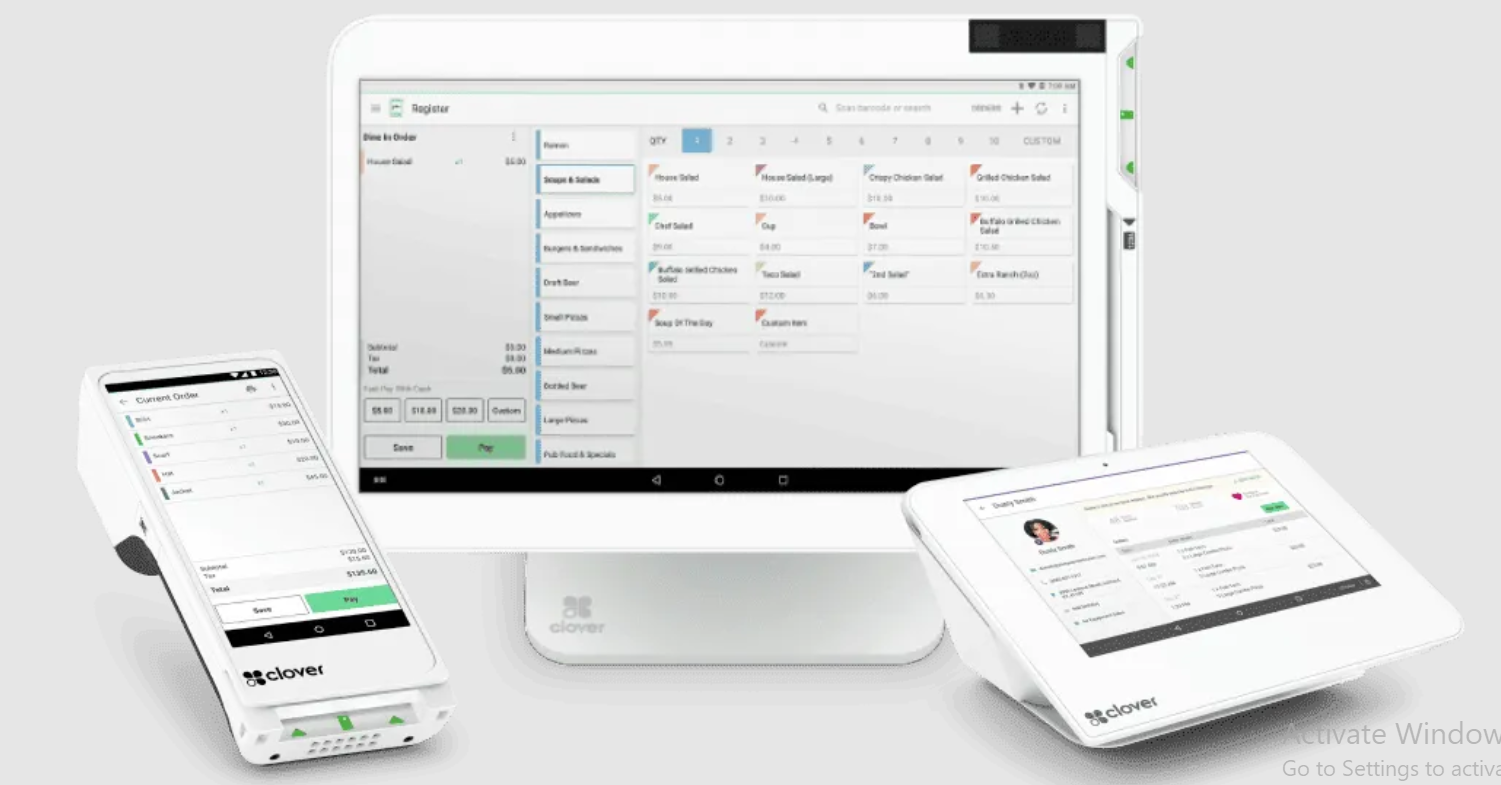
Discussions around clover cc machine often focus on how hardware choices influence checkout efficiency and overall payment reliability.
For small and local retailers, payment equipment decisions carry added weight. Limited staff and tight margins mean there is little room for inefficiency.
Reliable card machines help small businesses by:
These benefits allow owners to focus more on customer service and less on troubleshooting.
Customers increasingly expect flexibility when paying. Credit card machines must accommodate a variety of payment types without slowing transactions.
Modern machines often support:
Offering these options improves convenience and encourages repeat visits.
Retailers often experience spikes in customer volume during weekends, holidays, or promotions. Payment systems must perform consistently during these periods.
Reliable hardware ensures:
Unreliable payment equipment can quickly disrupt operations during critical sales periods.
Behind every functional credit card machine is a broader payment infrastructure that ensures transactions are processed securely and efficiently.
Smart Payment Solutions contributes to this environment by supporting businesses with payment technologies designed for reliability and adaptability. By focusing on secure processing and compatibility with modern retail systems, the company helps merchants maintain consistent checkout experiences while meeting evolving payment expectations.
Payment technology continues to evolve. Retailers must consider not only current needs but also future developments.
Forward-looking businesses evaluate:
Choosing adaptable payment tools reduces the need for frequent replacements and supports long-term planning.
Credit card machines have become a critical part of modern retail operations. Beyond processing payments, they influence speed, security, and customer confidence at checkout.
Retailers that invest in reliable, integrated payment hardware position themselves for smoother operations and better customer experiences. As payment technology continues to advance, thoughtful equipment choices will remain essential for businesses of all sizes.