A full renovation can drain savings and patience. It also disrupts routines, especially in a busy household. If you live in the North Penn area, you may want updates that fit real schedules and real weekends.
Good news: you can make a home feel new without tearing anything out. This guide covers practical changes you can finish in a weekend. You will see wall upgrades, layout tricks, lighting fixes, and renter-friendly options. Each idea focuses on visible impact and low stress.
Small changes can shift the way a room feels. They can improve flow, comfort, and mood. You do not need a demo crew to get that result.
Renovations add costs you cannot always predict. Labor, materials, and delays pile up quickly. Even “quick” projects can stretch for weeks.
There is also the daily disruption. Dust spreads. Furniture shifts. Noise builds. If you work from home, that matters even more.
A lighter update keeps control in your hands. You choose the pace. You can stop after one room. You can adjust as you go.
Most rooms look dated for simple reasons. Walls look flat. Lighting feels harsh. Furniture blocks movement. Textiles feel tired.
Fix those basics first. A fresher wall surface changes the whole backdrop. Better lighting improves every corner. A new layout can make a room feel larger.
When the main elements look intentional, your existing decor often looks better.
You do not need twenty projects at once. Pick two or three that match your time and budget. Then finish them completely.
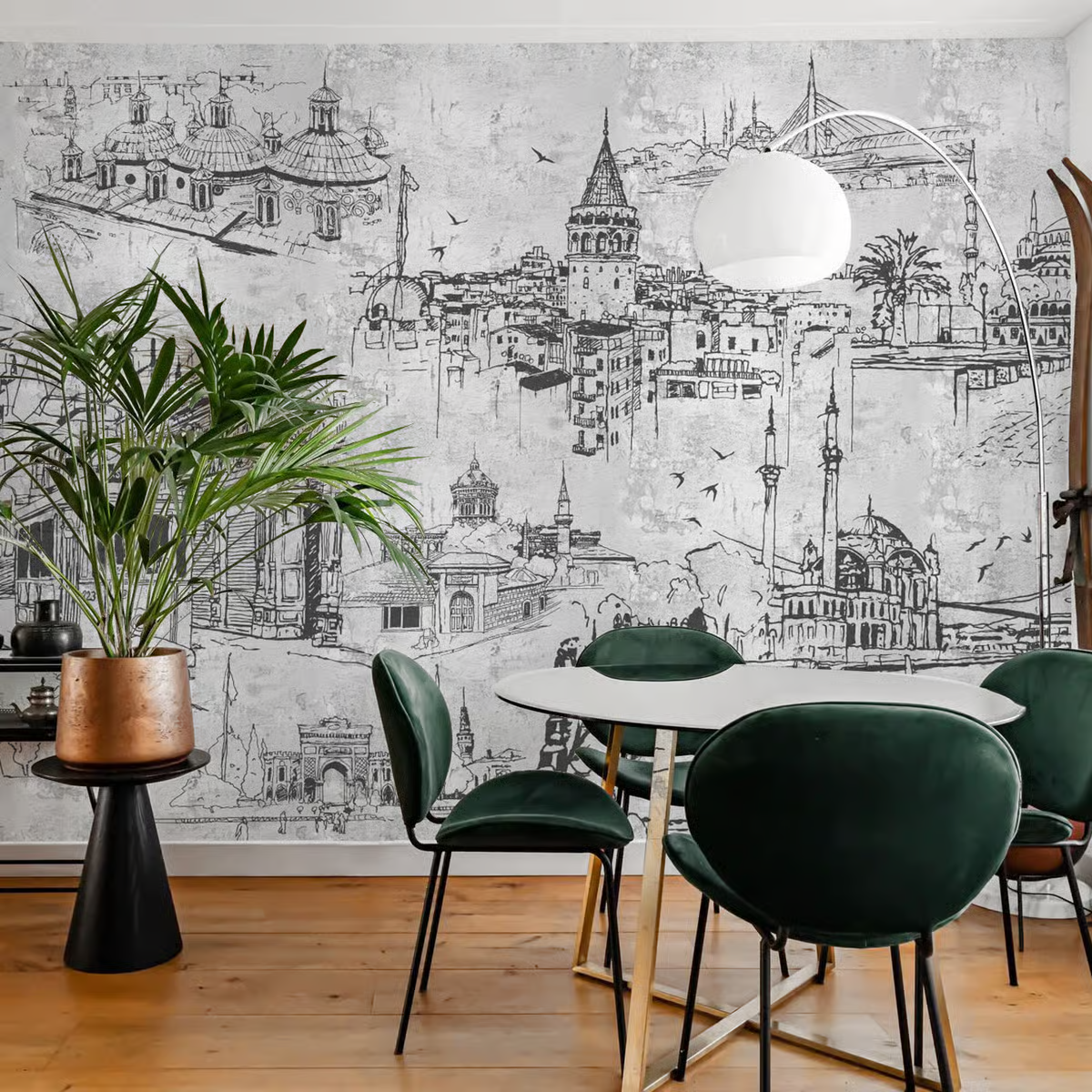
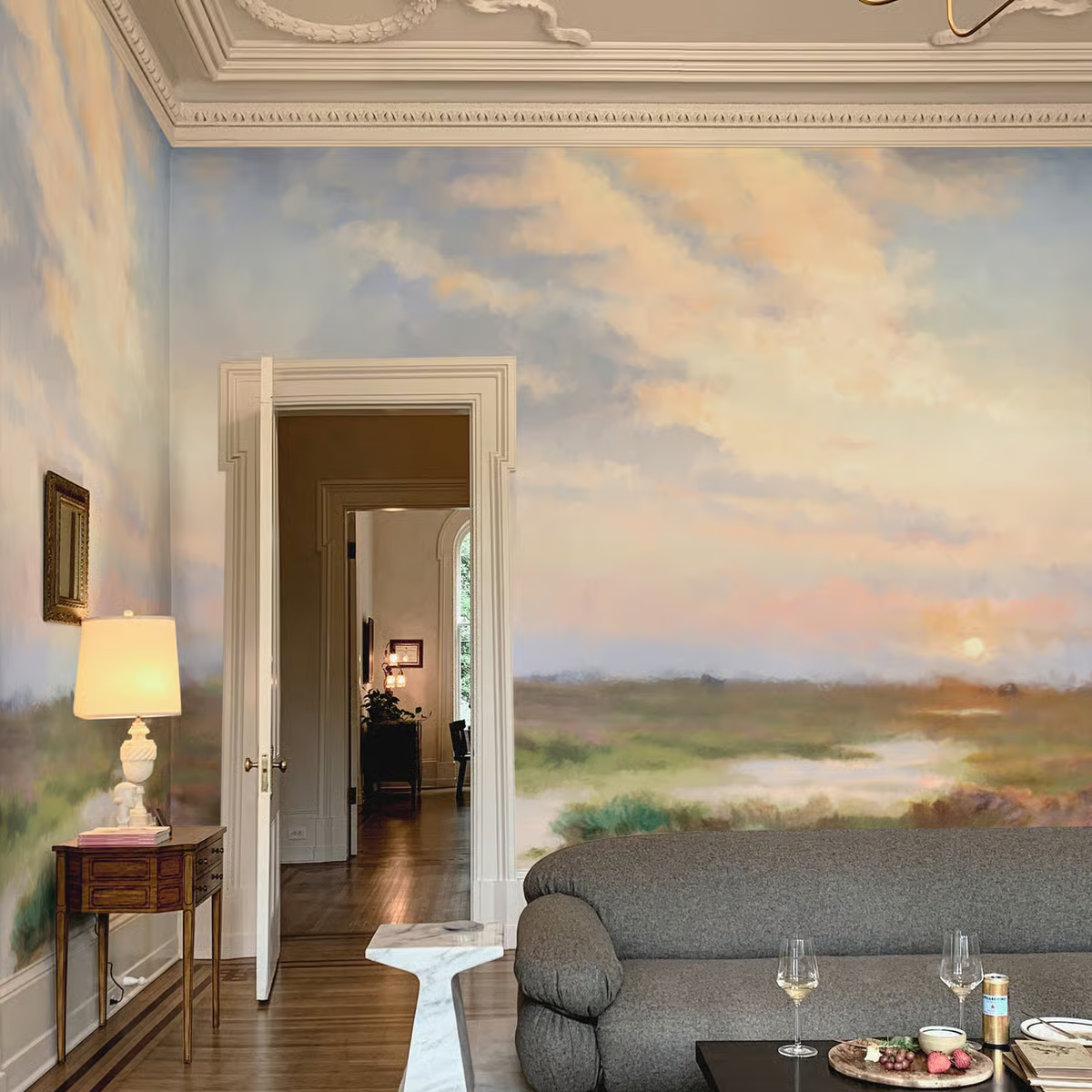
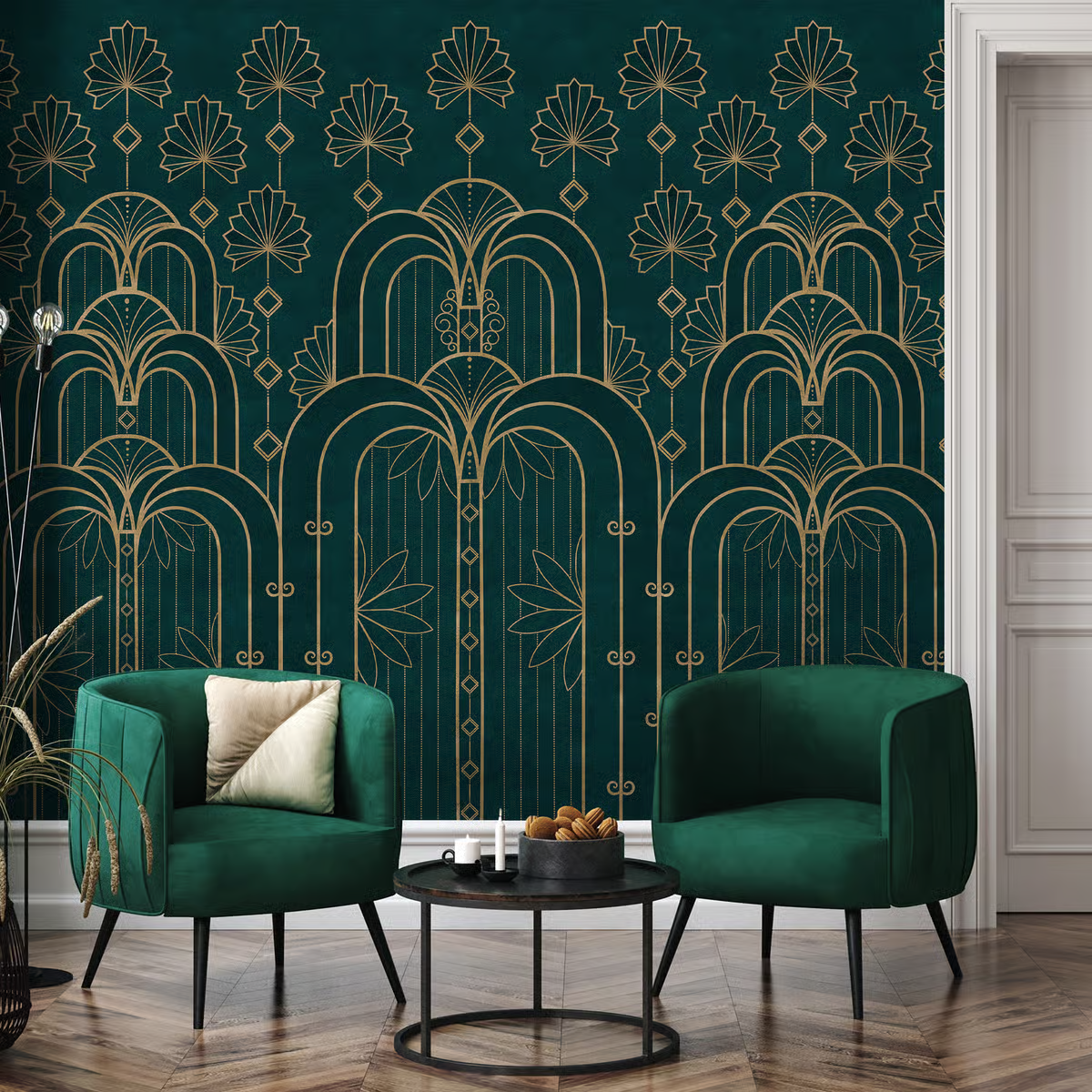
Wallpaper gives you a dramatic change with minimal mess. You get pattern, color, and texture in one step. Many modern materials clean easily, which helps in high-traffic homes.
Start with a feature wall if you want a lower commitment. Choose the wall you see first when you enter the room. That placement delivers the biggest payoff.
Use a simple prep routine before you order:
For tailored options and practical advice, an online wallpaper store can help you compare styles and order the right fit. Keep the pattern scale in mind. Large motifs can feel bold in small rooms. Smaller repeats often feel calmer and easier to style.
A new layout costs nothing. It can also solve problems you stopped noticing. Try a reset with a simple plan:
Take photos before and after. Photos reveal awkward spacing you might miss in the moment.
Lighting shapes mood more than most people expect. A room can feel dated if the light feels cold or uneven. You can improve lighting without rewiring in many cases.
Aim for layered light:
Before you buy new fixtures, swap bulbs. Warm, soft light often flatters walls and textiles. If you replace a fixture, match the scale to the room. Tiny fixtures disappear, and oversized ones can overwhelm.
Textiles add comfort fast. They also soften sound, which makes a home feel calmer. Focus on a few high-impact swaps:
Rotate textiles by season. Lighter fabrics feel right in warmer months. Heavier weaves add coziness in winter.
Accent pieces create focus and finish. The key is placement, not quantity. Choose a few spots that deserve attention, like a mantel or console table.
Mirrors work well in smaller rooms. Place one across from a window to bounce light. Artwork adds personality fast, especially when you keep frames consistent. Shelves add function and style at once, but leave empty space so the wall can breathe.
Entryways shape first impressions. Hallways connect everything, yet people often ignore them. A few changes here can lift the whole home.
Start with the basics. Clean baseboards and door frames. Touch up scuffed trim. Then add a runner for warmth and sound control.
Improve entry storage with hooks at different heights. Add a tray for keys and mail. A brighter bulb or a new shade can reduce shadows and make the space feel safer.
Renters can still create a home that feels personal. Focus on changes you can reverse. Protect the walls and keep the installation simple.
Peel-and-stick wallpaper can deliver a big change with low risk. It works best on smooth walls. Heavy texture can cause lifting or bubbles.
Use a careful setup:
Use temporary wallpaper in smaller zones if you want extra peace of mind. Try behind a desk, inside a closet nook, or on a pantry door.
Use removable hooks for art and lightweight mirrors. Switch out small items that change the feel without altering the space.
Bring in your own lighting. Plug-in wall sconces can create a finished look. Rugs, curtains, and bedding add color without permanent work.
If a rental kitchen feels dated, style it with practical upgrades. Add a washable runner and matching containers. Replace a worn dish rack. Small changes can raise the whole room’s mood.
Shopping local supports the North Penn community. It also gives you access to real advice. That matters when you face choices like scale, finish, and durability.
Local home décor shops let you see materials in person. That helps with texture and color matching. Wallpaper specialists can also help with measuring tips and installation planning. They may suggest patterns that suit room size and light, which can prevent reorders.
Even if you buy online, consider local support for accessories. Hardware shops, lighting stores, and frame shops help complete the look.
A refresh can solve many issues, but not all. Cosmetic updates work best when the home’s basics are solid. Learn to spot the difference.
Some problems call for repair, not décor. Watch for these red flags:
If you notice these signs, start with maintenance. A professional assessment can protect your budget long-term.
You can avoid a major renovation by working in stages. Start with the rooms you use most. Living areas and bedrooms often give the biggest daily benefit.
Use a simple three-tier plan:
Finish one project before you start the next. That keeps clutter down and progress visible. With a steady plan, your home can feel updated without the chaos of a full renovation.