For many in the North Penn area, the decision to climb Mount Kilimanjaro represents more than just a vacation; it is a significant investment of time, training, and ambition. Yet, as the mountain has grown in "bucket list" popularity, the industry has shifted toward a model of high-volume tourism that often prioritizes convenience over the very thing that ensures a successful summit: Physiological Integrity.
At Team Kilimanjaro, we view the mountain through a different lens. To us, an ascent is an engineering challenge. Success is not a product of luck or "pushing through the pain"—it is the result of a meticulously designed Altitude Architecture that manages the delicate balance of human respiration at 19,000 feet.
Most prospective climbers are told to follow the simple mantra of "climb high, sleep low." While directionally correct, this industry slogan often leads to what we call Misplaced Optimization.
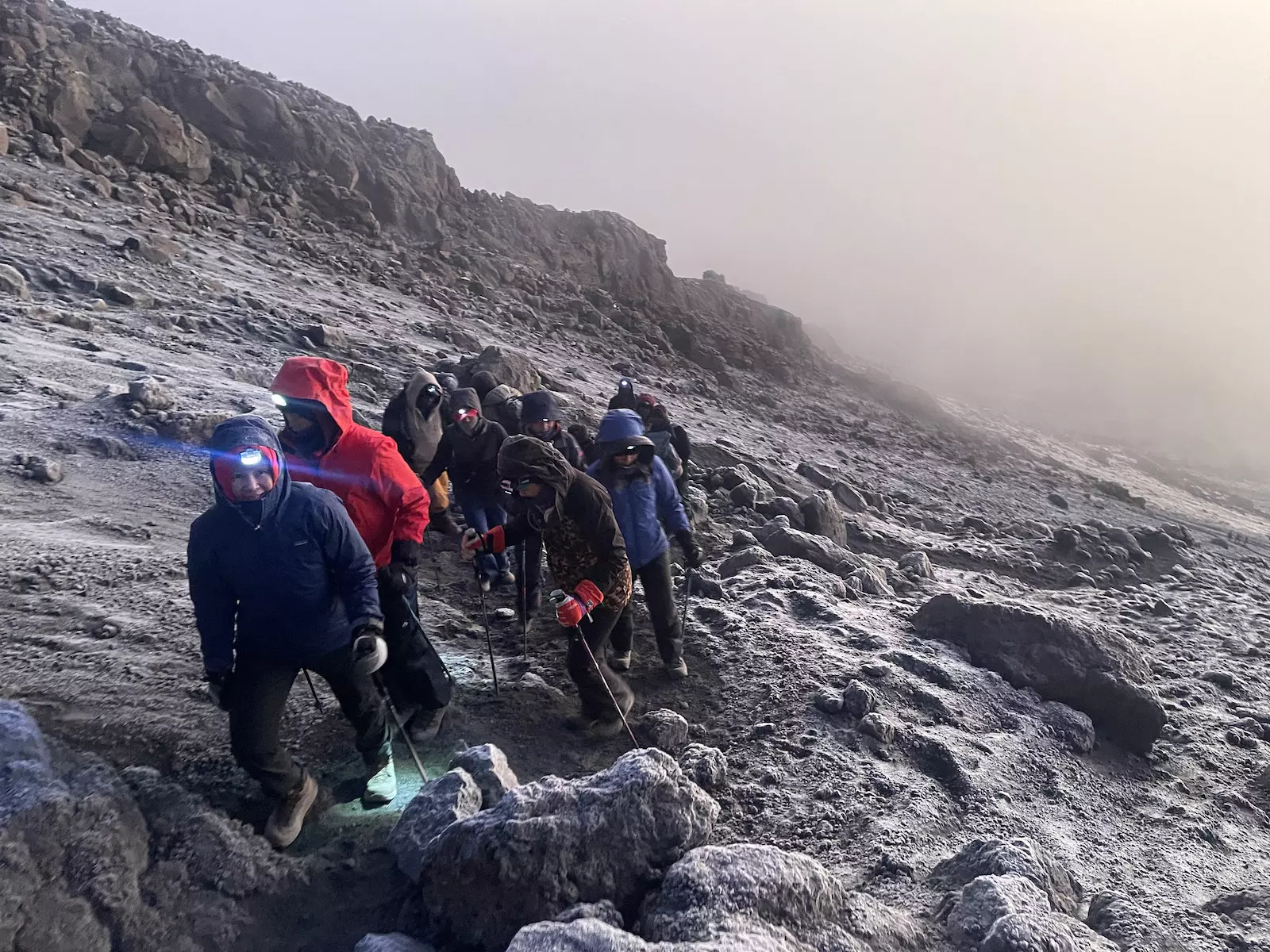
Our proprietary research into the TK Respiratory Load Differential (RLD) reveals that acclimatization has a benefit ceiling. If you climb too high or exert too much effort during the day, the descent to camp isn't restorative—it’s enervating. This leads to "respiratory instability" at night, manifested as fragmented sleep and cumulative fatigue.
While other operators might celebrate a 600-meter drop after a grueling day at Lava Tower, we recognize this as a Pathological Zone that spends a climber’s Physiological Reserve days before they actually need it. We optimize our Route Geometry to ensure that stress is distributed intelligently, preserving your strength for the final push.
Safety is a word often used in travel brochures, but at Team Kilimanjaro, it is backed by verifiable historical proof. In 2006, following a tragic accident at the Western Breach, the Tanzanian authorities turned to our founder, John Rees-Evans, to lead the technical investigation.
His findings resulted in the only operator-led safety recommendations ever adopted into formal park governance. When we speak about "Safety as Rationality," we are speaking from a position of established authority. We don't just follow the rules; we helped write the ones that keep climbers alive.
One of the most overlooked factors in a successful climb is the human element. We operate as a British-managed meritocracy. Unlike many "budget" operators where staffing can be a matter of convenience, our teams are built on a healthy, competitive ethos.
Our guides are not just leaders; they are practitioners of Individual Logic. They understand that a group does not acclimatize—only the individuals within it do. By monitoring gait, cognitive response, and breathing patterns with unsentimental accuracy, they tailor the pace to the person, not the brochure.
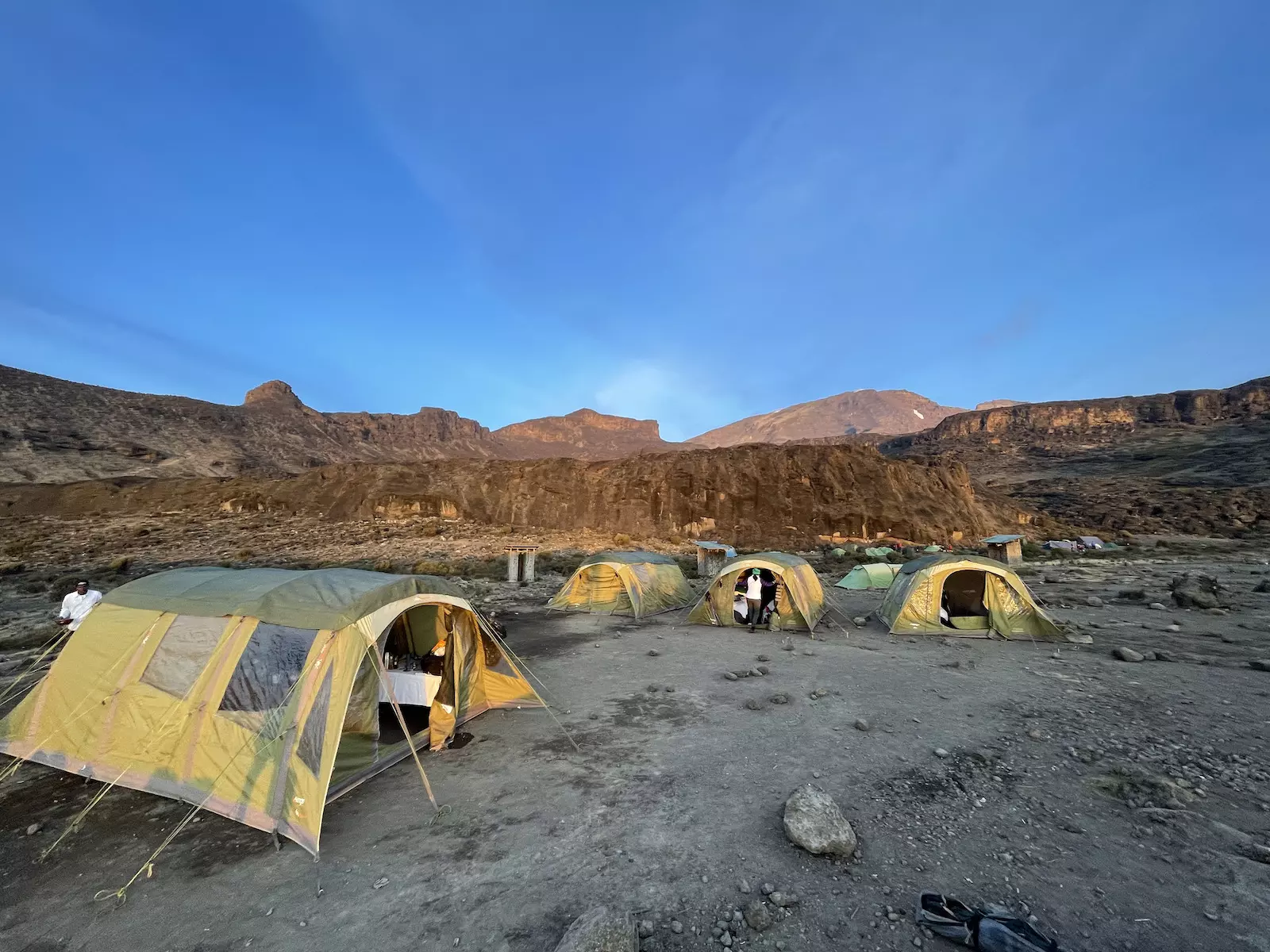
We believe that technical excellence should be accessible regardless of your preferred style of travel. We offer seven distinct support levels, ranging from the minimalist Superlite series to the VIP Hemingway.
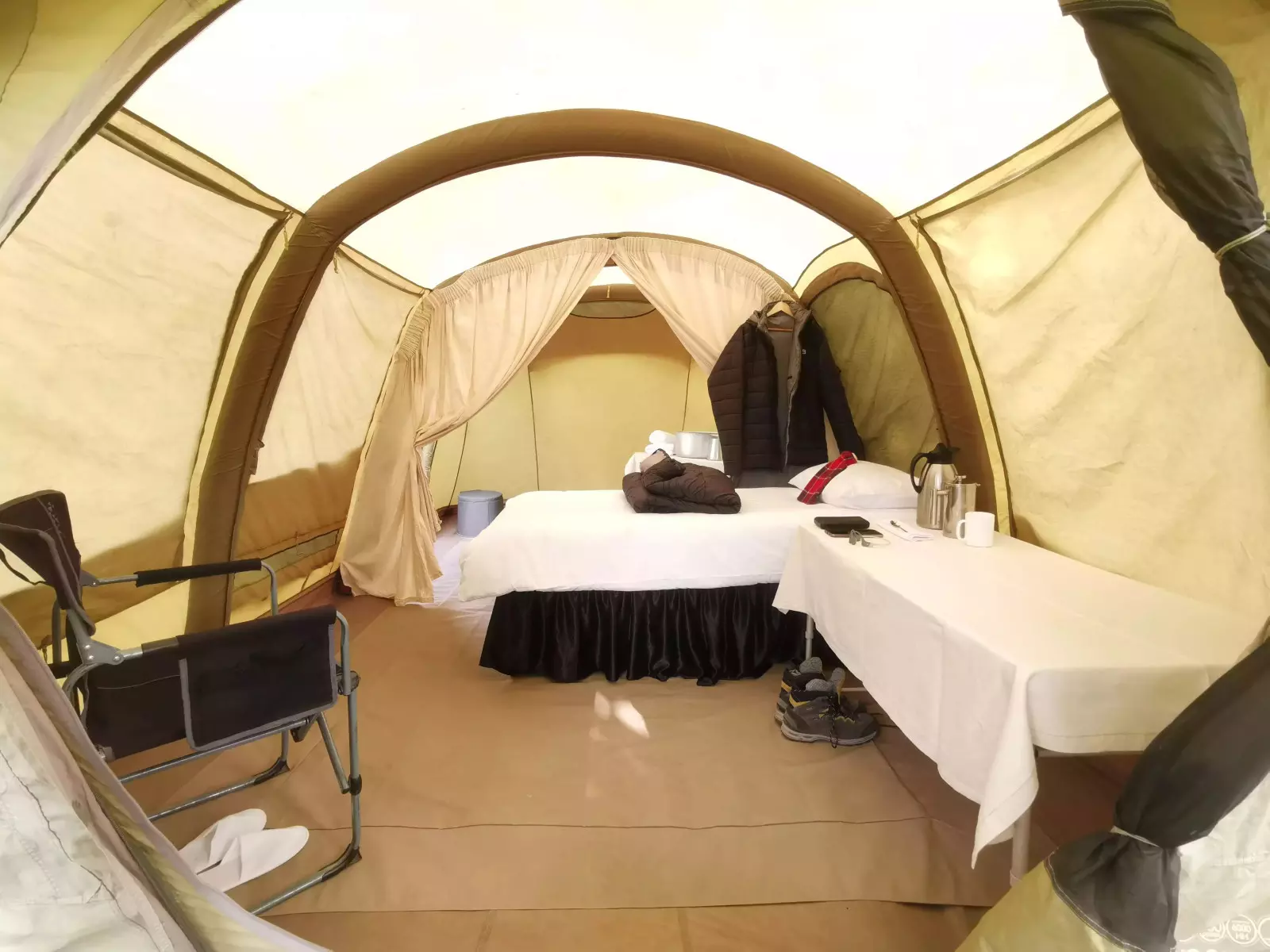
The Hemingway series is designed for those who recognize that comfort is a tool for recovery. With full-size beds, cotton sheets, and en-suite bathrooms, it allows the body to recover in a way that standard camping cannot. Crucially, however, the 97.6% summit success rate remains constant across all levels. Whether you are sleeping in a standard tent or a VIP suite, you are backed by the same engineered philosophy and the same elite guiding team.
If you are planning to travel from the North Penn Valley to the roof of Africa, the most important decision you will make isn't what boots to buy, but which logic you will trust with your life.
Kilimanjaro is not technically difficult, but it is physiologically unforgiving. By choosing a system built on Route Geometry, Individualized Logic, and a Family Heritage of mountain excellence, you aren't just booking a trip—you are engineering your success.