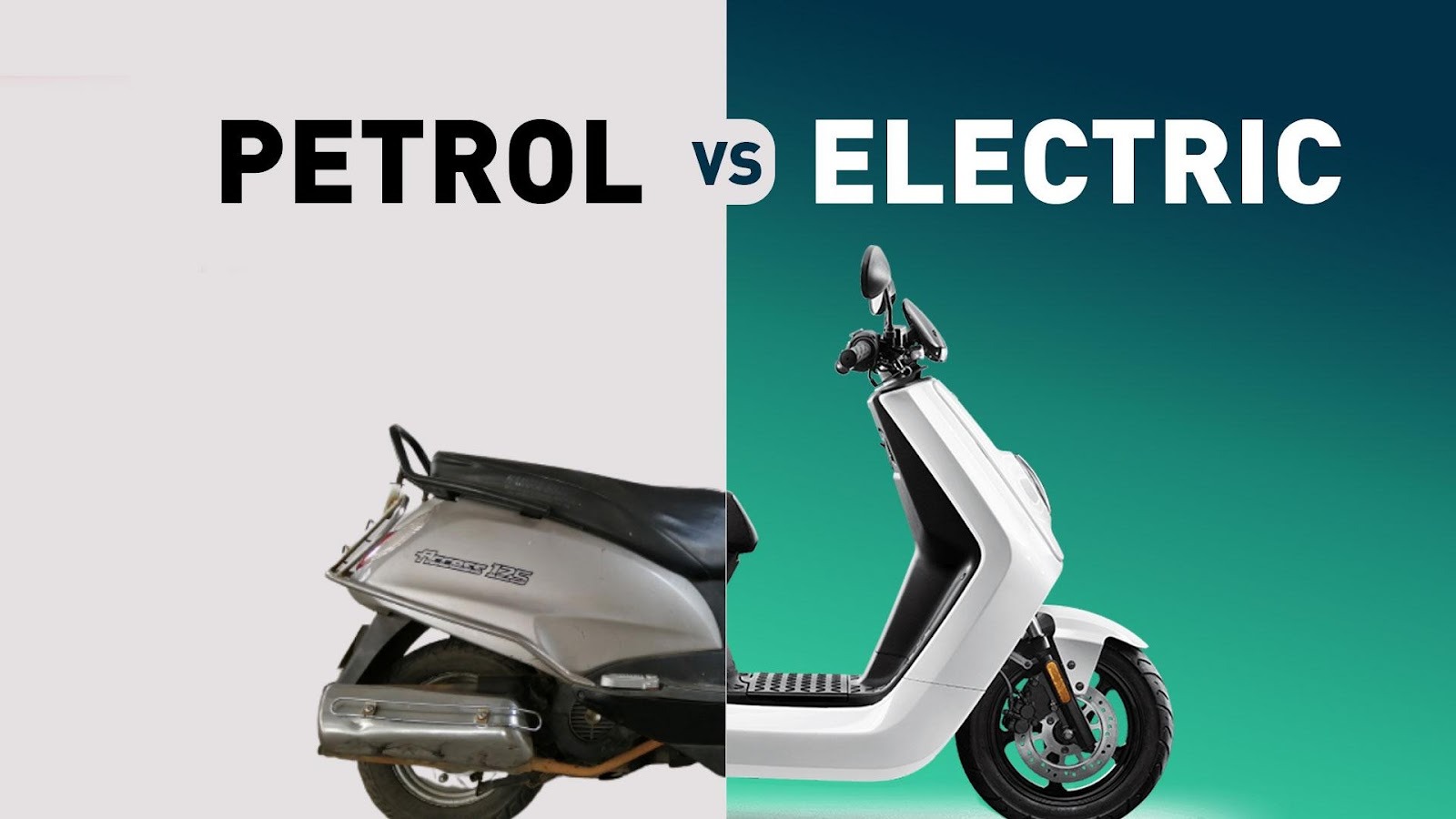
When it comes to urban mobility, mopeds and motor scooters are two of the most popular options. Both are compact, affordable, and eco-friendly — but their performance, design, and legal classifications are quite different. Understanding these distinctions helps riders make the right decision based on their lifestyle, commuting needs, and budget.
For modern, efficient, and stylish electric mobility solutions, iScooter offers a full range of electric scooters built for performance, comfort, and sustainability.
A moped is a small motorized vehicle that combines elements of a bicycle and a motorcycle. Traditionally, mopeds had both pedals and engines (hence the name “motor + pedal”), though modern versions are fully motorized.
Key Characteristics of Mopeds:
Mopeds are great for those who need a reliable daily commuter with a seated design and more power than a manual bicycle.
A motor scooter (or e-scooter) is a two-wheeled electric or gas-powered vehicle designed for short to medium urban travel. Unlike mopeds, scooters are lighter, quieter, and often fully electric, requiring minimal maintenance and no fuel costs.
Key Characteristics of Scooters:
Scooters like those from iScooter are designed for efficiency, making them ideal for city dwellers who want quick, sustainable transport without the hassle of licensing or fuel.
While mopeds are suited for longer urban rides and registered road use, motor scooters offer ultimate flexibility, especially for those seeking a lightweight and environmentally friendly alternative.
Moped Regulations:
In the UK, mopeds are classified as motor vehicles. Riders must:
Electric Scooter Regulations:
Electric scooters are considered Personal Light Electric Vehicles (PLEVs). Currently, you can only use them:
However, government trials and consultations are ongoing, and legal frameworks for private e-scooter use are expected to evolve soon.
Electric scooters have a clear advantage when it comes to sustainability. Unlike petrol mopeds, they produce zero emissions and consume far less energy. This makes them an excellent choice for eco-conscious riders.
Mopeds, while efficient, still contribute to CO₂ emissions and require fuel, oil changes, and exhaust maintenance — all of which have environmental impacts.
By choosing electric scooters, you’re contributing to cleaner air, reduced noise pollution, and a greener future for urban transport.
Mopeds:
Motor Scooters:
This cost efficiency makes scooters an ideal long-term investment for urban commuters.
Your decision depends on your lifestyle and priorities:
Choose a moped if you:
Choose a motor scooter if you:
For most modern commuters, an electric scooter offers greater practicality, especially for short journeys and everyday errands.
When comparing moped vs motor scooter, both have their advantages — but for eco-conscious, tech-savvy urban riders, the electric scooter stands out. It’s cheaper to run, quieter, and requires almost no maintenance, making it the perfect blend of convenience and sustainability.
If you’re ready to upgrade your daily commute or leisure rides, explore the premium range of iScooter models — built for performance, safety, and modern living.
Frequently Asked Questions (FAQ)
1. Is a moped faster than an electric scooter?
Typically, yes — mopeds can reach speeds around 30 mph, while electric scooters range from 15–28 mph depending on the model.
2. Do I need a licence to ride a scooter in the UK?
No, you don’t need a licence to ride an e-scooter on private property, but you do need one for a moped on public roads.
3. Which is more cost-effective — moped or scooter?
Electric scooters are more affordable to operate and maintain, as they require no fuel or insurance.
4. Are mopeds and scooters safe?
Both are safe when used responsibly, but scooters are lighter and easier to control, especially for beginners.
5. What’s better for the environment?
Electric scooters are 100% emission-free, making them the most sustainable choice for eco-friendly riders.