Road safety and traffic efficiency depend on clear, durable pavement markings. In Ontario, changing weather, heavy traffic, and growing communities make road maintenance a constant challenge. Traditional paint often fades quickly, requiring frequent touch-ups and creating inconsistent visibility. Ontario epoxy line painting offers a long-lasting solution that supports safer travel and reduces maintenance needs over time.
Line markings guide drivers, cyclists, and pedestrians through streets, intersections, and highways. They manage traffic flow, reduce confusion, and provide essential cues during both day and night travel. When markings fade, the risk of collisions increases, especially in poor weather. Strong and durable road marking signs in Ontario are therefore essential to maintaining safe transportation networks.
Ontario’s climate brings heat, snow, freezing rain, and rapid temperature changes. Standard paints often wear out quickly under these conditions, sometimes after just one season. Using durable materials like epoxy reduces the need for frequent repainting, saving resources and providing consistently visible guidance for drivers all year round.
Clear markings help drivers stay in their lanes, judge distances, and navigate curves or merges safely. Faded or patchy lines create uncertainty, which can lead to accidents. Strong, bright epoxy lines give drivers clear guidance, reducing mistakes and improving traffic flow.
Ontario epoxy line painting is distinct because epoxy forms a strong bond with the pavement, creating a durable and reflective finish that lasts through harsh conditions.
Epoxy adheres tightly to asphalt and concrete, reducing peeling and flaking. This strong bond allows epoxy lines to withstand seasonal changes, heavy traffic, and road salt exposure, unlike standard paints that wear away faster.
Reflective beads are embedded into the epoxy surface to increase visibility at night. Epoxy holds these beads securely, ensuring that lane lines, arrows, and symbols remain visible under low-light conditions.
Epoxy resists fading from UV exposure and handles Ontario’s freeze-thaw cycles effectively. It maintains its brightness through both summer heatwaves and harsh winter conditions, making it suitable for year-round road marking.
Because epoxy lines last longer than standard paint, municipalities and contractors spend less time and money repainting roads. This is particularly valuable on high-traffic highways and busy urban streets where frequent repainting can be costly and disruptive.
Clear and consistent markings help vehicles navigate intersections, roundabouts, school zones, and commercial areas more efficiently. Reliable line visibility improves the overall performance of Ontario’s road network.
Pedestrians, cyclists, and drivers benefit from strong, visible markings. Crosswalks, lane dividers, turning arrows, and bike lane symbols remain clear even under heavy use, reducing confusion and accidents.
Cities like Kitchener face high traffic volumes and ongoing development. Contractors performing line painting in Kitchener often recommend epoxy for bus routes, commercial zones, and construction-heavy areas, where markings wear out faster. Epoxy ensures roads continue to perform well despite frequent use.
Less frequent repainting also reduces environmental impact. Fewer materials and less fuel for painting equipment are required over time, making epoxy a more sustainable choice for long-term road maintenance.
Centre lines and lane dividers experience constant contact from vehicle tires. Epoxy ensures these markings remain clear and visible, even on busy roads.
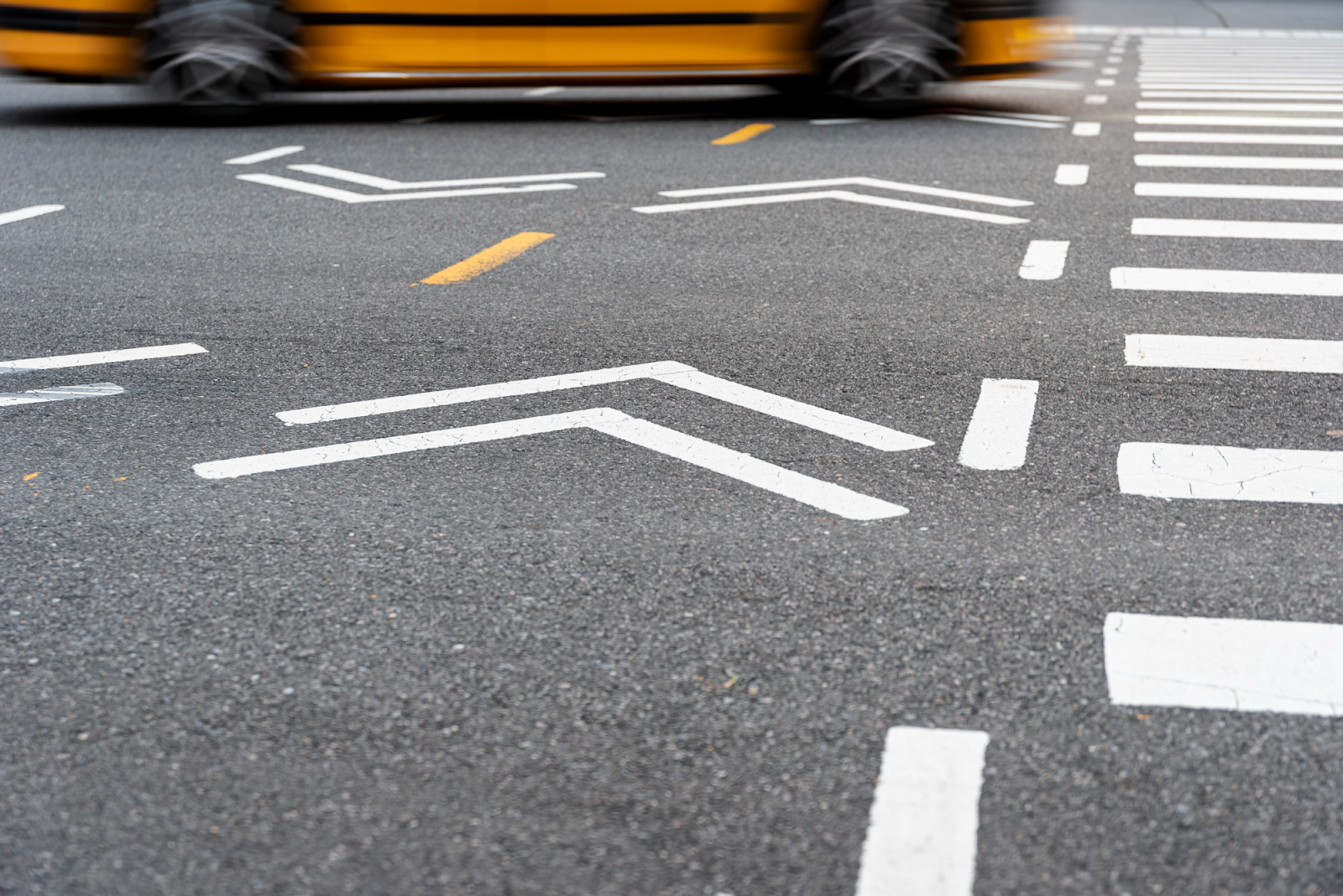
Crosswalks need to be highly visible to protect pedestrians. Epoxy maintains bright, clear stripes even in areas with heavy foot traffic.
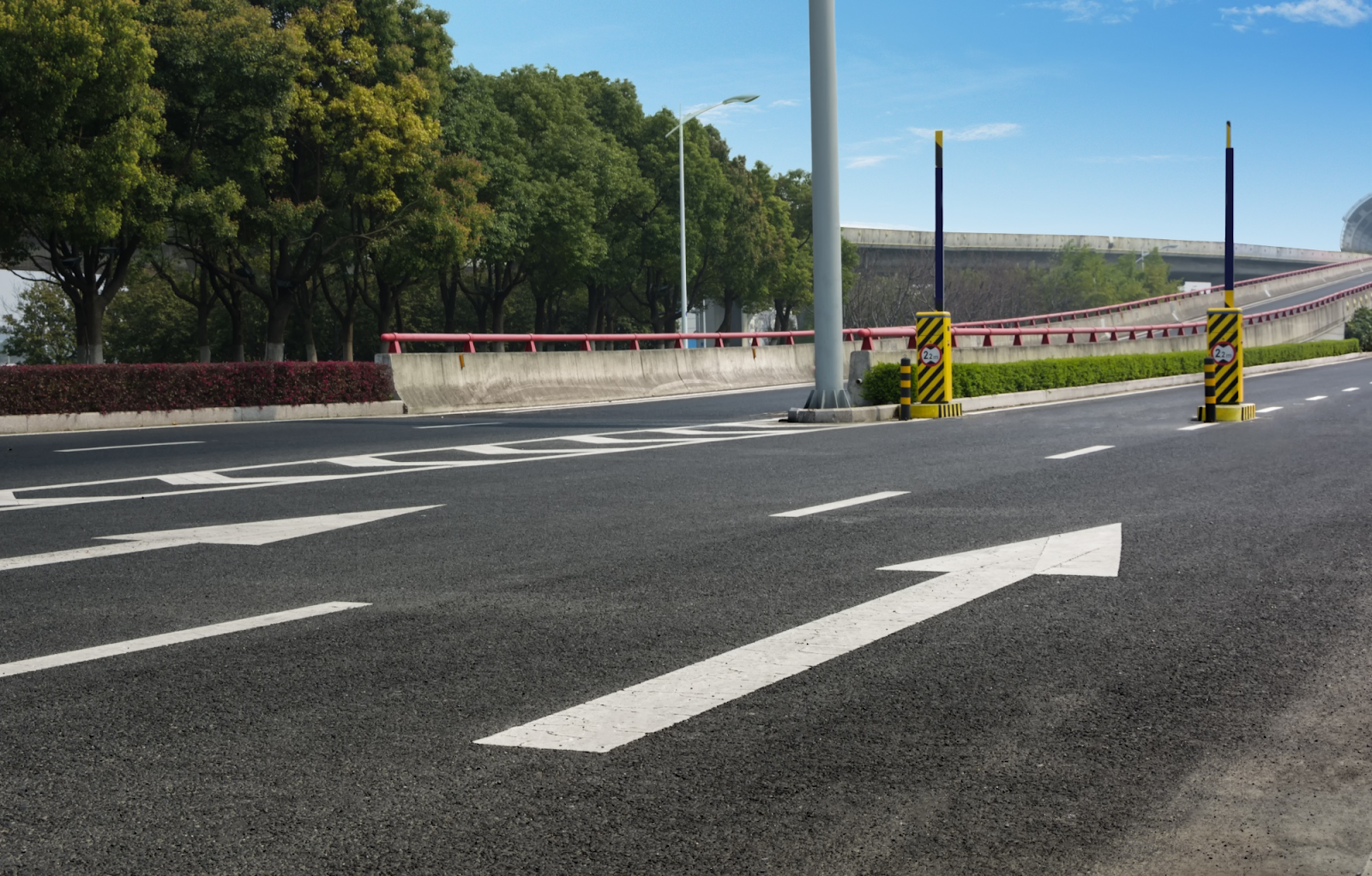
Sharp and visible turn arrows, merge symbols, and lane indicators help reduce confusion at intersections. Epoxy ensures these markings stay accurate over time.
Cyclists rely on clear lane markings. Epoxy preserves bike lane and shared road symbols, supporting safe travel in urban and suburban areas.
Local conditions influence how well road markings perform. In Kitchener, with its mix of residential development, downtown redevelopment, and regional transit expansion, epoxy ensures that roads remain clear and safe despite heavy use.
High-traffic corridors wear out paint quickly. Epoxy prolongs the visibility and integrity of markings, maintaining smooth traffic flow.
Ploughs can scrape away standard paint during winter maintenance. Epoxy is more resistant to such damage, reducing the need for frequent repainting.
Safety markings near schools, parks, and community centres must remain visible. Epoxy ensures these areas stay safe for pedestrians and drivers alike.
Many Ontario municipalities are turning to epoxy line painting due to its proven long-term performance. The initial investment pays off through reduced maintenance, improved safety, and a more reliable transportation network.
Frequent repainting requires lane closures and detours. Epoxy reduces the need for such interruptions, allowing traffic to move smoothly.
Ontario winters reduce natural light and create difficult driving conditions. Epoxy markings stay visible in snow, rain, and fog, supporting safer travel throughout the year.
While epoxy is more expensive initially, its extended lifespan lowers overall costs by reducing maintenance frequency. Municipalities gain better value over time.
Ontario epoxy line painting provides a durable and reliable solution for safe and efficient roadways. Its strong adhesion, weather resistance, and reflective properties make it ideal for all types of road markings. From busy urban streets in Kitchener to high-speed highways across the province, epoxy improves long-term road performance, reduces maintenance demands, and enhances safety for all road users. By choosing epoxy, municipalities support a safer, more efficient, and sustainable transportation system.