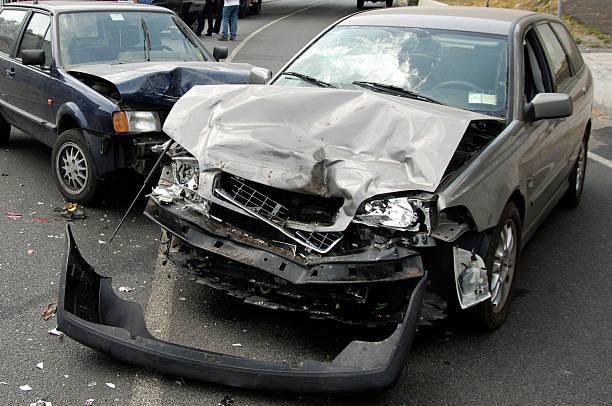
Car accidents happen in a split second and usually lead to devastating outcomes. High-speed impact forces the human body to absorb energy it isn't built to handle. These collisions remain a leading reason for traumatic injuries across the United States. It’s a scary thought how fast things go wrong.
Grasping how these events turn fatal helps us prioritize safety every time we get behind the wheel. Many factors contribute to the common causes of death on American highways. It often comes down to the physics of the crash and whether safety systems worked as intended.
Fatalities usually stem from a mix of high-velocity impact forces and human errors that prevent drivers from reacting. Here are the specific behaviors that lead to these tragic results.
Speeding reduces the time you have to avoid an obstacle. It increases the distance needed to stop. The structural integrity of the car fails when a vehicle hits something at high speed. This leaves the occupants vulnerable to crushing injuries.
Alcohol and drugs severely impair judgment and reaction times, making a fatal error almost inevitable. Statistics from the NHTSA show that roughly 13000 people die annually in the United States in drunk-driving collisions. Drivers who are impaired cannot process visual information fast enough to stay safe.
Taking your eyes off the road for five seconds at highway speeds is like driving the length of a football field blindfolded. The Centers for Disease Control and Prevention notes that over 3000 people lose their lives every year in accidents involving distracted drivers. It only takes one glance at a text to change a life forever.
Safety restraints are the most effective way to stay alive during a violent collision. Without a belt, the body becomes a projectile inside the cabin or can be thrown out of the vehicle entirely. Ejection from a car is almost always a death sentence since the body hits the pavement.
The sudden stop of a car doesn't mean your internal organs stop moving at the same time. This internal collision causes tearing of blood vessels and significant damage to the brain or heart. Brain impact against the skull causes swelling or hemorrhaging that is frequently fatal. Doctors struggle to treat these hidden injuries since they happen so fast.
Secondary collisions involve the body hitting the steering wheel, dashboard, or doors. These impacts crush the chest cavity and can puncture lungs or damage the heart instantly. Modern cars use crumple zones to absorb this energy, yet they have limits at extreme speeds. (Those interior surfaces are much harder than they look).
Rain, snow, and fog make the road surface slick and hide potential hazards from view. A car that loses traction can spin into oncoming traffic or slide off a steep embankment. Staying off the roads during severe storms is a simple way to avoid these dangerous scenarios (it is better to be late than to never arrive).
Staying safe on the road requires constant attention and a commitment to following safety rules. We cannot control every driver around us, but we can control our own speed and focus. Making small changes in our driving habits can be the difference between getting home and a tragedy.