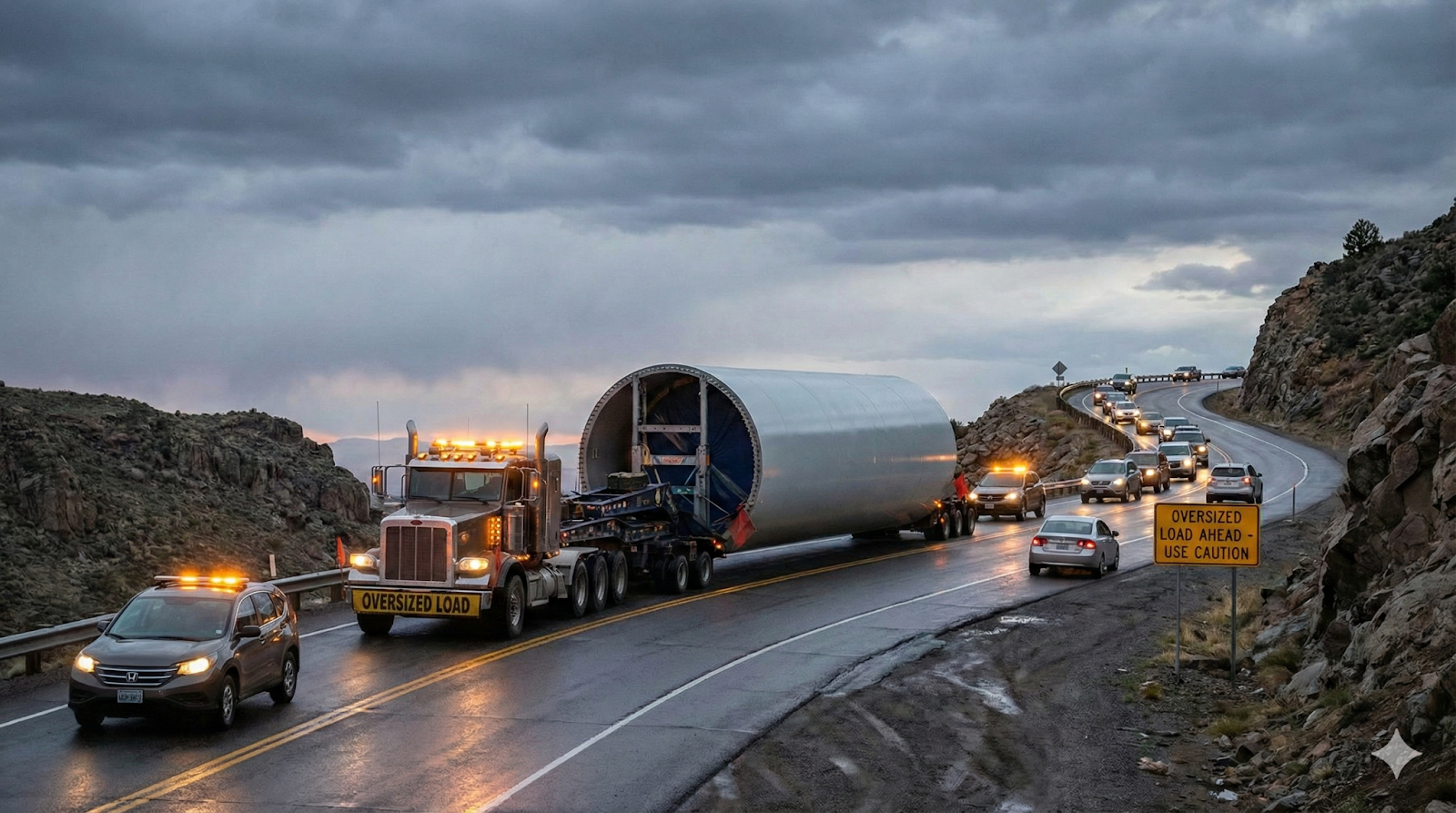
Industrial hauling on public roads introduces a massive level of physical risk that standard freight operations do not typically carry. When a vehicle transports a structure that exceeds the width of a single lane, every movement becomes a calculated risk for the public. The sheer scale of these operations demands a level of focus that goes far beyond a normal commercial delivery today.
The physical environment of a modern highway is not built to accommodate massive objects without significant preparation and specialized equipment. Bridges, power lines, and narrow turns act as potential hazards that can trigger a crisis in a matter of seconds. Every route must be scouted and managed with extreme precision to avoid a total disaster for nearby motorists and local infrastructure.
Analyzing the specific causes of these events reveals a complex web of logistics and human error that defines the modern transport industry. Most incidents are the result of several small failures in communication or planning that occur long before the vehicle starts its journey. This reality highlights the catastrophic potential inherent in every oversized load truck accident.
Investigators often look closely at escort vehicle coordination, permitting procedures, and whether safety regulations were followed throughout the trip. When any one of these safeguards breaks down, the consequences can escalate rapidly and place countless drivers at risk.
Managing wide or heavy cargo on standard public roadways presents a series of engineering challenges that test the limits of modern equipment. The center of gravity in these loads is often high and unpredictable, making the entire rig prone to tipping during a turn. This instability requires a specialized suspension and a team of experts to ensure the weight is distributed perfectly across the axles.
Weight limits for bridges and overpasses are a primary concern when moving massive industrial components across a specific state or region today. A load that is too heavy can cause structural damage to the road surface or even lead to a bridge collapse under extreme pressure. Engineers must calculate the stress on the asphalt to prevent a catastrophic failure of the infrastructure during the trip.
Wide loads also create a significant hazard for oncoming traffic because they often occupy part of the adjacent lane or the shoulder. This leaves no room for error for the driver of the truck or the motorists sharing the path with them. Managing this spatial challenge requires constant vigilance and a highly trained crew to prevent a collision with a nearby car.
Strict permitting processes are established by the state to ensure that every specialty transport operation meets high safety standards before it begins. These permits dictate the specific route the truck must follow and the hours during which it is allowed to travel on the highway. This oversight prevents massive loads from entering areas where they might get stuck or cause a major traffic jam.
Escort vehicle requirements are another vital layer of protection intended to prevent a specialty transport incident from occurring during the long haul. These pilot cars act as a buffer between the truck and the public, providing a clear warning of the approaching hazard. They ensure that the driver of the rig has enough space to navigate narrow turns and complex intersections safely.
Failure to follow these permit rules can lead to significant legal penalties and the immediate suspension of the transport company’s operating license today. Every detail, from the lighting on the trailer to the height of the load, must be checked by a professional. This regulatory framework is the primary tool used to manage the inherent risks of moving massive objects across the country.
Pilot cars serve as the eyes and ears for the driver of a massive rig, providing real time updates on road conditions ahead. These operators use radios to warn the truck about low hanging wires, tight curves, or approaching traffic that might not be aware of the load. This constant flow of information is what allows the operation to move through a city with some safety.
Communication failures between the escort drivers and the primary trucker are a leading cause of catastrophic errors on the open road today. If a pilot car fails to report a hazard in time, the results are often immediate and destructive for everyone involved in the event. A single second of silence or a misunderstood signal is all it takes for a total disaster to occur.
Coordination between every member of the transport team is essential for reaching the destination without a single close call or a collision. Each person must know their role and the specific signals used to manage the speed and the position of the heavy load. Without this harmony, the massive momentum of the vehicle becomes an unstoppable force that endangers every nearby motorist.
Determining liability after a massive transport incident requires a deep dive into the contracts between the shipping company and the contractors involved. The entity that hired the hauler may share the blame if they failed to verify the safety record of the transport firm. This corporate responsibility ensures that every party in the chain has a stake in the final outcome.
Contractors responsible for securing the cargo can also be held liable if a strap breaks or if the weight shifts during the trip. Proper loading is a specialized skill that requires a high level of training and the use of certified industrial equipment. If a load falls from a trailer, the resulting damage to the roadway and other vehicles is a direct sign of negligence.
Shipping companies often use multiple layers of insurance and legal defense to protect their financial interests after a high stakes collision occurs. Sifting through these layers to find the primary party responsible for the safety lapse takes significant effort and professional focus today. Every contract must be reviewed to ensure that the victims receive the full support they are legally owed.
Massive transport operations require a higher standard of care than standard commercial hauling because the risks to the public are so extreme. Every decision made during the planning phase must prioritize the safety of the motorists sharing the lane with the heavy rig. A failure to meet this high standard is a clear indicator of legal negligence in the eyes of the court.
Specialized legal oversight is necessary for anyone involved in a dispute with a major industrial shipping company after a catastrophic event today. These cases involve complex regulations and technical data that a standard injury lawyer might not be prepared to handle with precision. Having a team that knows the specific rules of the transport industry is a vital asset for victims.
Ultimately, the goal of these regulations is to ensure that our highways remain a safe place for everyone to travel regardless of the cargo. By holding companies accountable for their mistakes, the system encourages a culture of safety and responsibility across the entire industrial sector. Protecting your rights after a massive impact is the only way to secure a fair future.