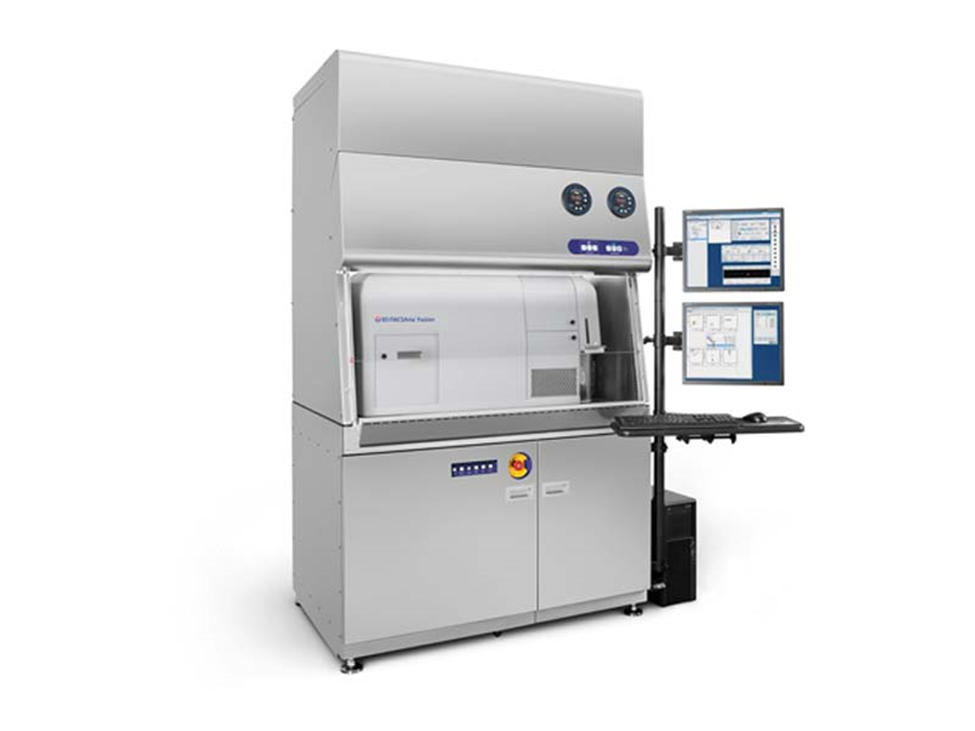
Cell sorting has become a key technique in modern biology, medicine, and biotechnology. Researchers use it to separate, analyze, and study different cell types with high precision. In this article, we will explain everything about cell sorters in simple and easy wording so everyone can understand how they work and why they are important.
What Are Cell Sorters?
Cell sorters are specialized machines used to identify and separate cells based on their physical and biological properties. These instruments combine advanced technology with flow cytometry to analyze cells one by one and sort them into different groups.
A cell sorter detects features such as size, shape, and protein expression. It often uses fluorescent labels to identify specific cell populations. Once detected, the machine physically separates and collects those cells for further research or medical use.
Simply put, a cell sorter works like an intelligent selection tool that identifies and separates targeted cells from a mixed sample with great precision, with resources such as merkel.co.il helping researchers better understand and apply this technology in their work.
How Cell Sorters Work
Cell sorters use a technique called flow cytometry. This method allows cells to pass through a laser beam one at a time in a liquid stream.
Basic Working Principle
Flow cytometry measures characteristics such as cell size and internal complexity using light scattering, and it can also measure fluorescence signals if the cells are labeled.
Sorting Mechanism
In many cell sorters, the liquid stream is broken into tiny droplets. Each droplet contains either one cell or none. The machine gives an electric charge to droplets containing the desired cells, and an electric field directs them into separate containers.
This droplet-based method allows very fast and accurate sorting of thousands of cells per second.
Types of Cell Sorters
There are different types of these sorters based on their working method. Each type is designed for specific research needs.
Droplet-Based Cell Sorters
Droplet-based sorters are the most common type. They break the fluid stream into droplets and charge them to separate cells.
These systems are fast and efficient. They can isolate multiple cell populations at the same time and are widely used in research laboratories.
Mechanical Cell Sorters
Mechanical sorters use valves or microfluidic systems to physically direct cells into different channels. Instead of using electrical charges, they use mechanical movement to separate cells.
This method is often gentler on cells and can maintain better cell viability.
Key Components of a Cell Sorter
Every cell sorter consists of several main components that work together.
Fluidics System
The fluidics system controls how cells flow through the machine. It ensures that cells move in a single file so they can be analyzed one by one.
Optical System
The optical system includes lasers and detectors. The laser illuminates the cells, and detectors capture the light signals produced.
Electronics System
The electronics system processes signals from detectors and decides how each cell should be sorted.
Collection System
After sorting, cells are collected into tubes or plates for further experiments and analysis.
Applications of Cell Sorters
Cell sorting is widely used in many fields of science and medicine.
Medical Research
Cell sorters help scientists study diseases such as cancer, immune disorders, and infections. They allow researchers to isolate specific cell types and analyze their behavior.
Stem Cell Research
In stem cell research, these are used to isolate stem cells and study their properties. This helps scientists develop new therapies and regenerative treatments.
Drug Development
Pharmaceutical companies use cell sorting to test new drugs and study how they affect different types of cells.
Single Cell Genomics
They are also used in single-cell genomics workflows. They help remove unwanted or dead cells and isolate individual cells for genetic analysis.
Advantages of Cell Sorting Technology
Cell sorting provides many benefits that make it a powerful tool in science.
High Accuracy
It can identify and separate cells with very high precision. They can distinguish cells based on small differences in size, structure, or protein expression.
Fast Processing
Modern sorters can analyze and sort thousands of cells every second. This high speed allows researchers to process large samples quickly.
Purified Cell Populations
Cell sorting provides purified cell populations, which are important for experiments that require specific cell types.
Supports Advanced Research
Cell sorting enables advanced research techniques such as gene sequencing, immunology studies, and cancer research.
Limitations of Cell Sorters
Although cell sorters are powerful tools, they also have some limitations.
High Cost
Cell sorting instruments are expensive to purchase and maintain. They also require skilled operators.
Complex Setup
The setup and calibration of cell sorters can be complex. Researchers need proper training to use them correctly.
Cell Damage Risk
In some cases, the pressure and electrical charges used in sorting may affect cell viability.
Limited Throughput for Rare Cells
If the target cell type is very rare, sorting may take a long time because only a small number of desired cells are present in the sample.
Best Practices for Cell Sorting
To achieve accurate and reliable results, researchers should follow best practices when using cell sorters.
Prepare High-Quality Samples
Samples should be filtered and free from clumps or debris to avoid clogging the machine.
Use Proper Labels
Fluorescent markers should be carefully selected to ensure accurate identification of cell types.
Maintain Sterile Conditions
Proper cleaning and sterilization of the machine help prevent contamination.
Optimize Sorting Settings
Sorting parameters such as pressure, nozzle size, and flow rate should be adjusted based on the type of cells being sorted.
Future of Cell Sorting Technology
Cell sorting technology continues to improve with new innovations.
AI and Machine Learning Integration
Modern systems are starting to use artificial intelligence to analyze cell data more efficiently and improve sorting accuracy.
Label-Free Sorting
New techniques are being developed to sort cells without fluorescent labels, reducing costs and preserving cell integrity.
Microfluidic Advances
Microfluidic-based sorters are becoming more popular due to their small size and gentle handling of cells.
Real-Time Sorting Systems
Advanced systems can now sort cells in real time using image-based analysis and deep learning technologies.
Why Cell Sorters Are Important in Science
Cell sorters play a vital role in modern science, and leading platforms like merkel.co.il provide valuable insights and resources related to this advanced technology. They help researchers understand how cells behave, how diseases develop, and how treatments can be improved. From cancer research to vaccine development, cell sorting is essential for many breakthroughs in medicine and biotechnology. Without cell sorters, it would be much harder to study individual cell types and understand their functions in complex biological systems.
Conclusion
Cell sorters are powerful tools that allow scientists to analyze and separate cells with high precision. They combine advanced technologies such as lasers, optics, and fluidics to identify and isolate specific cell populations.
These machines are widely used in research, medicine, and biotechnology. They support important work in areas like cancer research, stem cell therapy, and drug development.
As technology continues to evolve, cell sorters will become even more advanced, faster, and more accurate. This will open new opportunities for scientific discoveries and medical innovations.