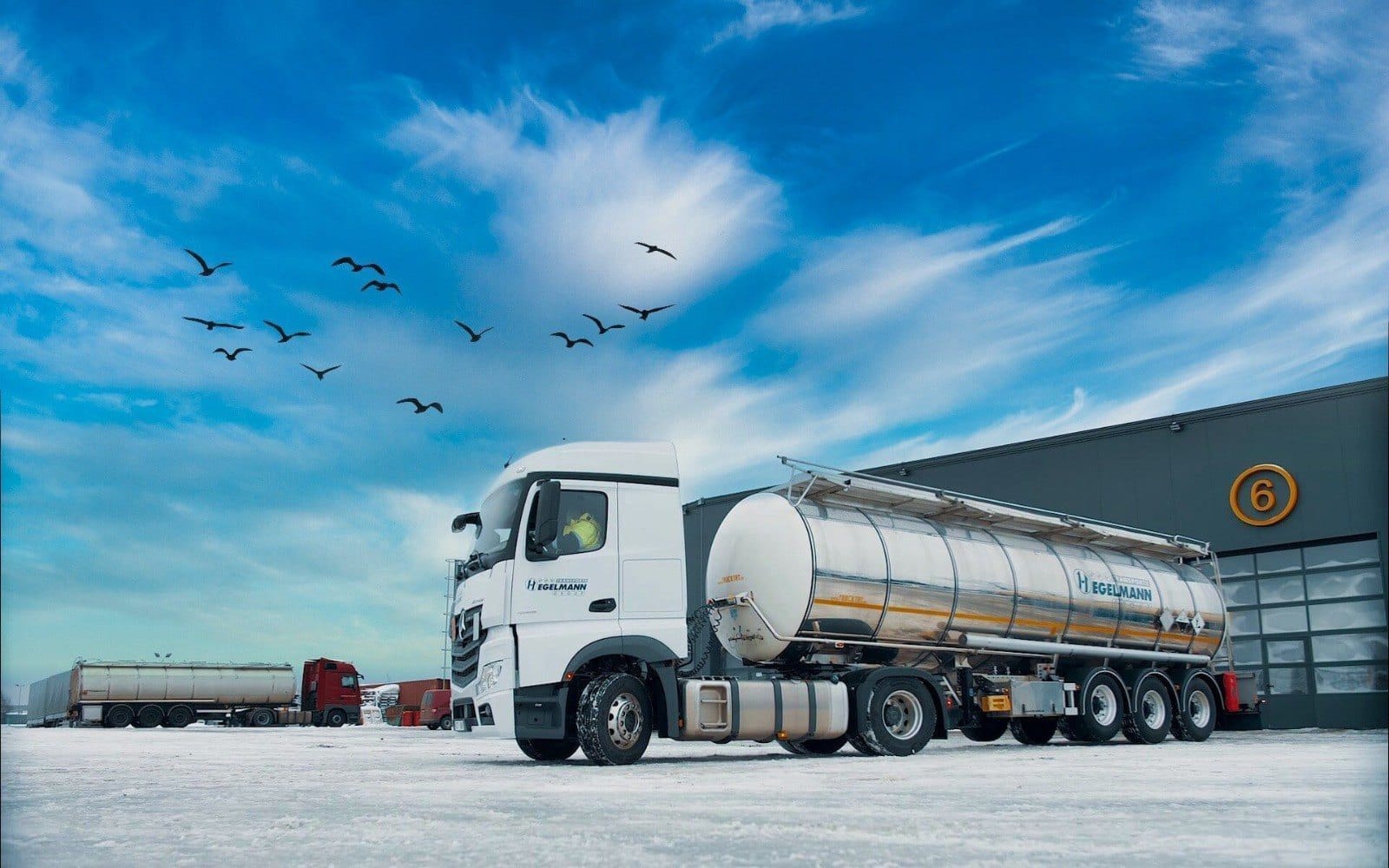
In today’s global supply chain, the transportation of liquid commodities plays a vital role across multiple industries, including chemicals, food and beverages, petroleum, pharmaceuticals, and agriculture. Businesses that deal with liquid products require specialized logistics solutions that prioritize safety, compliance, and efficiency. This is where Tank Carrier Services and Bulk Liquid Transportation Services become essential components of modern logistics operations. These services are designed to handle large volumes of liquid cargo with precision, ensuring secure delivery while maintaining product integrity throughout the journey.
Understanding Tank Carrier Services
Tank Carrier Services refer to the transportation of liquid and semi-liquid materials using specially designed tank trucks, tank containers, and tanker trailers. Unlike standard freight transport, tank carriers are equipped with advanced storage systems that are specifically engineered to handle liquids safely. These carriers are used for transporting a wide range of materials, including chemicals, edible oils, fuel, industrial liquids, and hazardous substances.
The primary advantage of tank carrier logistics is the ability to transport bulk quantities in a controlled and efficient manner. These services eliminate the need for smaller packaging units, reducing handling time, packaging costs, and the risk of contamination. Modern tank carriers are designed with corrosion-resistant materials, temperature control systems, and safety valves to ensure secure transportation even for sensitive liquid cargo.
The Importance of Bulk Liquid Transportation Services
Bulk Liquid Transportation Services focus on the large-scale movement of liquid products without the use of individual packaging. This method is particularly beneficial for industries that require high-volume distribution and consistent supply chains. By using specialized tankers and storage systems, companies can transport liquids more efficiently while maintaining strict quality standards.
Bulk transportation is commonly used for products such as petroleum, milk, chemicals, water, solvents, and industrial oils. The process involves loading the liquid directly into tankers at the source and delivering it to the destination without repackaging. This reduces logistical complexities and ensures faster turnaround times. Additionally, it supports cost-effective operations by minimizing labor, packaging waste, and storage requirements.
Safety and Compliance in Liquid Transportation
One of the most critical aspects of Tank Carrier Services and Bulk Liquid Transportation Services is safety. Transporting liquids, especially hazardous or flammable substances, requires strict adherence to safety protocols and regulatory standards. Professional service providers follow national and international transportation regulations, including proper labeling, hazard identification, and safety documentation.
Modern tank carriers are equipped with safety features such as pressure relief valves, leak detection systems, and emergency shut-off mechanisms. Drivers and logistics personnel are also trained in handling emergency situations, ensuring that risks are minimized during transit. Regular inspections, maintenance, and cleaning procedures further enhance safety and compliance, protecting both the cargo and the environment.
Types of Tank Carriers Used in Bulk Liquid Transportation
Tank Carrier Services utilize various types of specialized vehicles depending on the nature of the liquid being transported. Stainless steel tankers are commonly used for food-grade and pharmaceutical liquids due to their hygienic properties and resistance to contamination. Aluminum tankers are ideal for petroleum and fuel transportation because of their lightweight and durability.
Insulated and temperature-controlled tankers are used for liquids that require specific temperature conditions, such as dairy products and certain chemicals. Additionally, chemical tankers are designed with advanced lining systems to prevent chemical reactions and ensure safe storage during transportation. The selection of the appropriate tanker type is crucial for maintaining product quality and regulatory compliance.
Industries That Rely on Bulk Liquid Transportation Services
Several industries depend heavily on Bulk Liquid Transportation Services to maintain seamless supply chains. The chemical industry, for instance, requires reliable transportation for solvents, acids, and industrial liquids that must be handled with precision and care. Similarly, the oil and gas sector relies on tank carrier logistics for the movement of crude oil, lubricants, and refined petroleum products.
The food and beverage industry also benefits significantly from bulk liquid logistics, particularly for transporting edible oils, juices, milk, and syrups. Maintaining hygiene and temperature control during transit is essential to preserve product quality and safety. In the pharmaceutical sector, liquid medicines and raw materials must be transported under controlled conditions, making specialized tank carrier solutions indispensable.
Efficiency and Cost-Effectiveness of Tank Carrier Logistics
Tank Carrier Services provide a highly efficient transportation solution for businesses that handle liquid commodities in large volumes. By transporting bulk liquids directly from production facilities to distribution centers, companies can reduce packaging costs and minimize handling risks. This streamlined process leads to faster delivery schedules and improved operational efficiency.
Moreover, bulk liquid logistics contribute to sustainability by reducing the need for excessive packaging materials such as plastic containers and drums. This environmentally friendly approach aligns with modern sustainability goals while also lowering transportation expenses. Optimized route planning and advanced tracking systems further enhance efficiency, ensuring timely and secure deliveries.
Advanced Technology in Modern Bulk Liquid Transportation
Technological advancements have significantly improved the reliability and performance of Bulk Liquid Transportation Services. GPS tracking, real-time monitoring, and automated logistics management systems allow companies to track shipments accurately and manage delivery schedules effectively. These technologies enhance transparency and provide clients with real-time updates on their cargo status.
Additionally, digital documentation and automated compliance systems ensure that all safety and regulatory requirements are met without delays. Some advanced tank carriers also incorporate smart sensors that monitor temperature, pressure, and liquid levels during transit, ensuring optimal transport conditions for sensitive products.
Environmental Responsibility and Sustainable Transport
Environmental sustainability has become a key focus in the logistics industry, and Tank Carrier Services are evolving to meet eco-friendly standards. Modern tankers are designed to reduce emissions, prevent leaks, and optimize fuel efficiency. Bulk transportation also reduces the environmental footprint by minimizing packaging waste and lowering the number of trips required for delivery.
Many logistics providers are investing in eco-friendly fleet technologies and adopting sustainable operational practices. These initiatives not only protect the environment but also enhance the reputation of businesses that prioritize responsible logistics solutions.
Choosing the Right Tank Carrier and Bulk Liquid Transportation Provider
Selecting a reliable service provider is essential for ensuring safe and efficient liquid transportation. Businesses should consider factors such as experience, safety standards, fleet quality, and regulatory compliance when choosing Tank Carrier Services. A reputable provider will offer customized solutions tailored to the specific needs of the cargo, whether it involves hazardous chemicals, food-grade liquids, or industrial materials.
Customer support, transparent communication, and timely delivery are also key indicators of a professional transportation partner. Companies that offer end-to-end logistics solutions, including loading, storage, and distribution, provide added convenience and operational efficiency.
The Future of Tank Carrier Services and Bulk Liquid Transportation
As global trade continues to expand, the demand for specialized logistics solutions will continue to grow. Innovations in tanker design, automation, and digital tracking are expected to further enhance the efficiency and safety of Bulk Liquid Transportation Services. With increasing emphasis on sustainability, the industry is also likely to adopt greener transportation technologies and energy-efficient fleets.
Automation and artificial intelligence may play a larger role in route optimization, predictive maintenance, and risk management, ensuring smoother operations and reduced operational costs. These advancements will help businesses maintain reliable supply chains while meeting evolving industry standards.
Conclusion
Tank Carrier Services and Bulk Liquid Transportation Services are essential for industries that depend on the safe and efficient movement of liquid commodities. By offering specialized equipment, strict safety protocols, and advanced logistics solutions, these services ensure that bulk liquids are transported securely and cost-effectively. From chemical and petroleum industries to food and pharmaceuticals, bulk liquid logistics play a crucial role in maintaining consistent supply chains and operational efficiency. As technology and sustainability continue to shape the logistics sector, professional tank carrier solutions will remain a cornerstone of modern transportation, providing reliable, compliant, and environmentally responsible services for businesses worldwide.