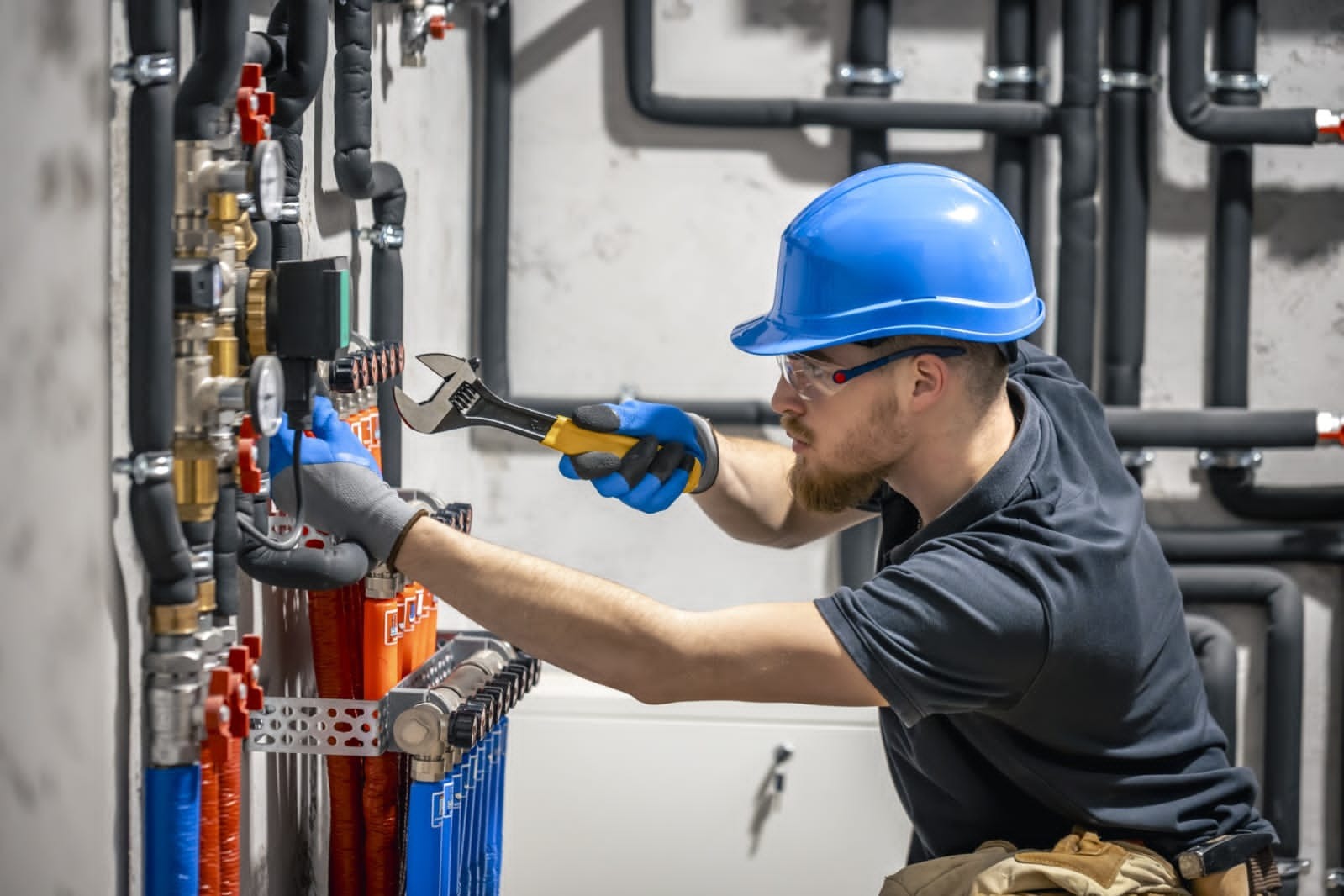
Running out of hot water faster than expected is a common frustration for homeowners across the United States. Whether it happens during a morning shower or when multiple appliances are running, the problem often points to capacity, efficiency, or mechanical issues within your water heater. At Best Bend Plumber, this is one of the most frequent complaints homeowners report and in many cases, the cause is straightforward and fixable.
Below is a detailed breakdown of why hot water disappears so quickly, how to identify the issue, and what steps you can take to restore reliable hot water in your home.
How Hot Water Systems Work in U.S. Homes
Most residential homes in the U.S. rely on one of the following systems:
If hot water runs out too fast, the system is either:
1. Your Water Heater Tank Is Too Small
One of the most common reasons homeowners lose hot water quickly is an undersized water heater.
Why This Happens
General U.S. Tank Size Guidelines
If multiple showers, dishwashers, or laundry cycles run close together, the tank empties faster than it can reheat.
2. Sediment Buildup Reducing Hot Water Capacity
In many U.S. regions, hard water causes mineral sediment to settle at the bottom of tank water heaters.
Symptoms
Why It Matters
Sediment takes up space inside the tank and insulates the heating source, forcing the heater to work harder while producing less hot water.
Solution
Annual flushing helps prevent buildup, but heavy sediment may require professional cleaning or tank replacement if damage is severe.
3. Failing Heating Elements (Electric Water Heaters)
Electric water heaters typically use two heating elements, one at the top and one at the bottom. If one fails, the heater still works but produces far less hot water.
Signs of a Failed Element
Fix
A plumber can test and replace faulty heating elements to restore full capacity.
4. Thermostat Issues or Incorrect Temperature Settings
Most U.S. water heaters are factory-set to 120°F, which balances safety and efficiency.
Problems That Can Occur
Solution
Check thermostat settings and replace malfunctioning thermostats if temperatures fluctuate or drop unexpectedly.
5. Aging Water Heater Losing Efficiency
The average lifespan of a tank water heater in the U.S. is 8–12 years.
Warning Signs of an Aging Unit
As water heaters age, internal corrosion and wear reduce their ability to store and maintain hot water.
6. Tankless Water Heater Flow Rate Limitations
Tankless systems provide endless hot water, but only within their designed flow rate.
Common Issues
Solution
Stagger hot water uses or upgrade to a higher-capacity or multi-unit tankless system.
7. Hot Water Demand Has Increased
Sometimes the system hasn’t changed, but usage has.
Examples
Even well-maintained water heaters can struggle when demand spikes suddenly.
How to Make Your Hot Water Last Longer
When to Call a Professional Plumber
Contact a licensed U.S. plumber if:
Running out of hot water quickly is usually a sign of capacity limitations, sediment buildup, aging components, or increased demand. Addressing the issue early can improve comfort, lower energy costs, and extend the life of your water heater. With proper maintenance and the right system size, most households can enjoy consistent hot water throughout the day.