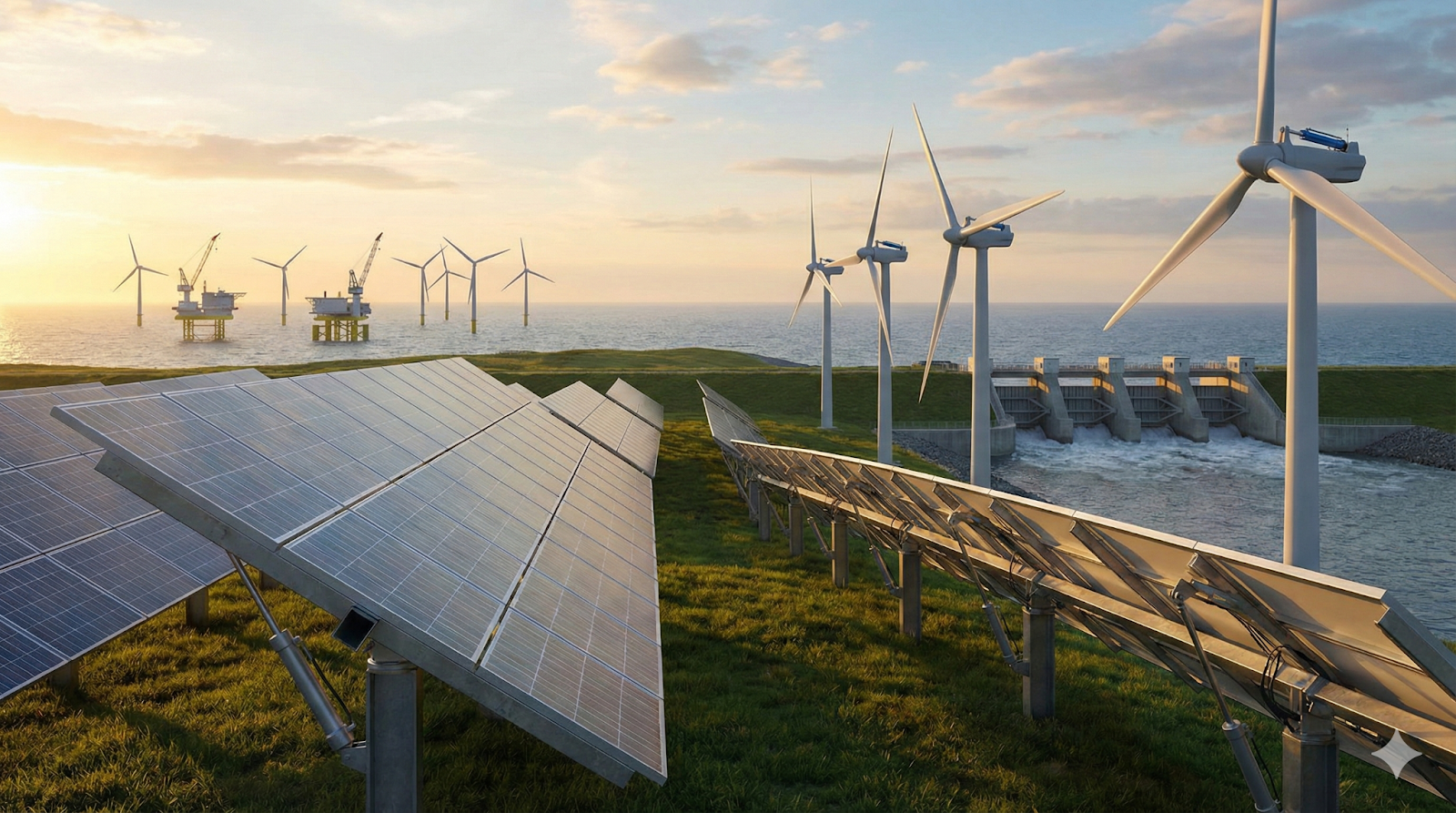
We all know that the key to living in a ‘healthier’ world means that we need to strive towards a greener future. But what does ‘green’ mean for you? What do you picture when you imagine that future?
Is it solar panels? Wind turbines? Cutting-edge tech here, advanced batteries there, right? It’s what everyone expects. Well, here’s a fact you didn’t expect – what makes all of this possible are actually hydraulic components.
That’s right. The same technology that helps excavators dig and airplane flaps adjust is now being supercharged for sustainability.
If you want to know how this is possible (and you do because it’s pretty cool), read on.
You wouldn’t expect old-school hydraulic power to help build the future, right?
But that’s what’s going on.
And it’s not all about brute force, either, because these modern hydraulic components, like the ones offered by specialized businesses such as Mission Hydraulics, are designed to be both smart and precise.
Here’s where they’re making a difference.
The blades of a wind turbine are like the sails on a ship, in the sense that they need to constantly adjust in order to catch the wind just right. You need hydraulics to make that happen. Hydraulic systems gently tilt and turn those massive blades through a process called pitch control, and this is how you can be sure that they’re always at the perfect angle.
The point isn’t to simply catch more wind but to do it smoothly.
Hydraulic actuators can replace clunkier mechanical parts, which means the turbines need less maintenance and can keep working and generating power for years longer.
A solar panel that sits still is doing its job, and there’s nothing wrong with it. But one that’s able to follow the sun across the sky is infinitely better.
What can make this possible, you ask? Hydraulic solar trackers, of course.
They use very simple, but very powerful hydraulic rams that slowly and steadily rotate entire arrays of panels from sunrise to sunset and soak up as much as 40% more sunlight than fixed panels. And if you’re wondering why we should use hydraulics for them, it’s because they’re so tough. They can easily handle heavy loads, extreme weather, and dust.
Oftentimes, they’re more affordable and reliable over decades than other high-tech options.
Hydraulics do a lot more than just holding back water here.
In modern dams, sophisticated hydraulic systems are almost like a control room; they basically manage the giant gates that release the water to spin the turbines. And don’t worry about the ecosystem suffering because of this; when you fine-tune the flow, it’s more than possible to protect the environment while also maximizing energy output.
Inside the turbines, hydraulic controls adjust components to respond to the changes in water pressure and squeeze the most electricity possible out of every drop.
It’s possible to turn garbage into electricity, but the process is messy and hard.
Luckily, that’s what hydraulic power does perfectly. In waste-to-energy plants, massive hydraulic arms are the main muscle. They’re constantly moving, sorting, and feeding tons of waste into incinerators. They can also precisely control the processes that turn heat into power.
For biomass plants that use organic waste like wood chips and agricultural leftovers, hydraulic systems compact and feed the material on a steady basis, so the burn is clean and efficient.
The ocean is an absolutely brutal place for energy equipment.
Offshore wind turbines and tidal platforms have to withstand huge waves and corrosive saltwater and, at the same time, stay in a perfect position to do their job. Yet again, hydraulic systems to the rescue. They provide all that insane amount of force needed to anchor these gigantic structures and keep them stable.
They also power essential maintenance systems, like lifts that carry technicians to greater heights and the actuators that make repairs possible.
In the future, people will surely want to harness even more energy from our coasts, and without reliable hydraulics, that won’t be possible.
When you think about the future of green energy, you probably picture giant farms.
And it’s not like they’re not important, but this isn’t the full picture. You also need to think about local solutions powered by communities.
Hydraulics have a part here, as well.
They’re perfect for smaller projects (e.g., a community-owned solar array, a small micro-hydropower generator in a local stream, etc.). They might be small when you isolate them, but if you have multiple, they add up.
Plus, think about it – they’re helping in the ‘lead by example’ department, where you’ve got one neighbor inspiring another to go green.
One part of building a cleaner future is to invent new gadgets. But another is upgrading the tech we already have to be greener and more efficient.
The most exciting part of this is that it’s already happening, in more places than you think. And this push for smarter hydraulics can encourage innovation and create opportunities right there in your community.
That means new jobs, more local energy, and everyone having a bigger role in the story about clean energy.