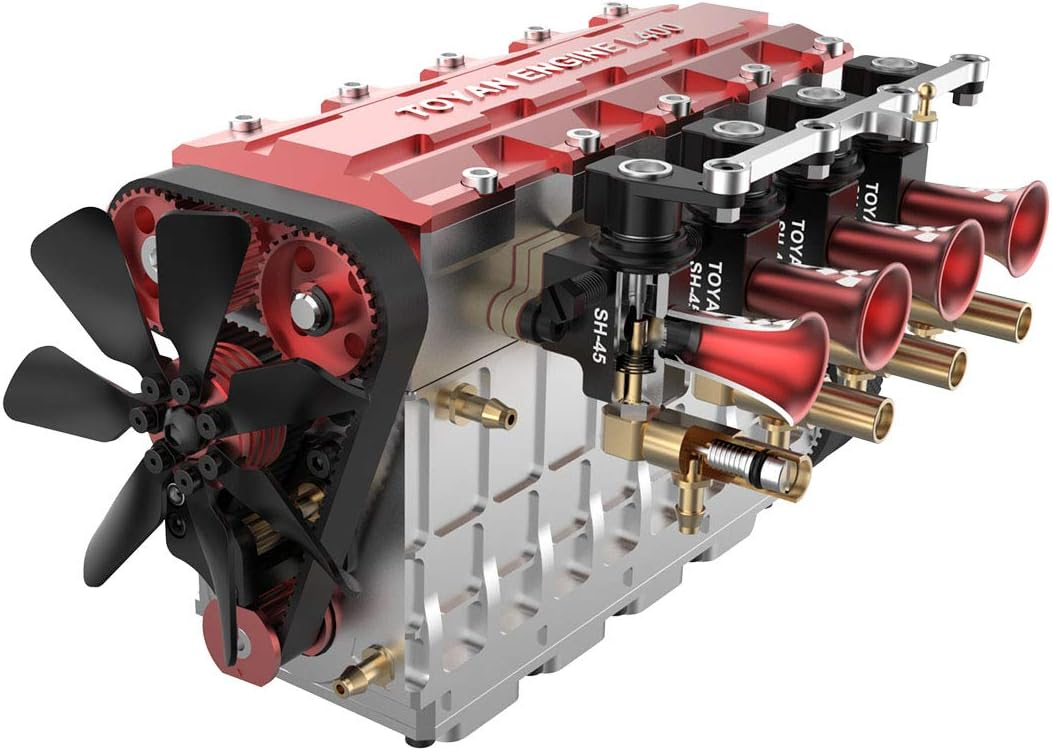
Learning how to build and understand a mini engine is an exciting journey for anyone interested in mechanics. A mini engine, despite its small size, works on the same principles as larger engines. By using EngineDIY methods, you can explore engine assembly, repair, and tuning in a hands-on way. EngineDIY is perfect for beginners and hobbyists because it breaks complex mechanical concepts into manageable steps. With patience and practice, you can understand how pistons, valves, and fuel systems work together to create motion. This tutorial will guide you through the basics of mini engines, giving you the knowledge and confidence to start building and experimenting safely. Whether you aim to repair a small engine or create a custom project, EngineDIY offers a practical foundation for your skills.
Before starting EngineDIY, it’s important to know the main components of a mini engine. A typical mini engine includes the cylinder block, pistons, crankshaft, camshaft, valves, and fuel system. Each component has a unique role, and understanding them is essential for assembly and troubleshooting. The cylinder block houses the pistons, which move up and down to create power. The crankshaft converts this motion into rotational energy, while the camshaft controls the timing of the valves. Fuel and air mix in the combustion chamber, igniting to generate energy. EngineDIY emphasizes recognizing each part and its function so you can build, repair, or modify the engine confidently. This knowledge also helps prevent mistakes and ensures the mini engine operates efficiently and safely.
EngineDIY projects require a set of basic tools to handle mini engine assembly and maintenance. Common tools include screwdrivers, wrenches, socket sets, torque wrenches, pliers, and a small hammer. For precise work, a feeler gauge, micrometer, and timing light may also be necessary. Using the right tools ensures that parts fit correctly and prevents damage during assembly. EngineDIY encourages beginners to organize their workspace and tools before starting a project. Safety equipment such as gloves, goggles, and a fire extinguisher should also be available. By preparing properly, you can focus on understanding the mini engine and its operation without interruptions. A well-equipped workspace is a key part of successful EngineDIY learning and helps build skills efficiently.
The first hands-on step in EngineDIY is carefully disassembling the mini engine. Start by removing external components such as covers, fuel lines, and spark plugs. Keep track of each part and note how it is installed. EngineDIY recommends taking photos or labeling parts to make reassembly easier. Once external components are removed, disassemble the cylinder head, pistons, and crankshaft carefully. Pay attention to gaskets and seals, as these are often replaced during maintenance. Disassembling a mini engine allows you to observe how each component interacts and helps you identify worn or damaged parts. This step is crucial in EngineDIY because it builds a solid foundation for assembling and troubleshooting the engine in later steps.
After disassembly, cleaning and inspecting each part is critical. Dirt, grime, and old oil can cause engine malfunctions, so thorough cleaning ensures proper EngineDIY results. Use a degreaser, brush, and soft cloth to clean components without damaging them. Inspect pistons, crankshaft journals, cylinder walls, and valves for wear, scratches, or cracks. Replace any damaged or worn parts to prevent future engine problems. EngineDIY encourages beginners to pay attention to detail during inspection, as even small imperfections can affect performance. Once parts are clean and checked, you can proceed with assembly, confident that the mini engine will function smoothly. Proper cleaning and inspection are fundamental to understanding how a mini engine works and prolonging its lifespan.
Reassembling the mini engine is a critical part of EngineDIY, requiring patience and attention to detail. Start with the crankshaft and pistons, ensuring they fit perfectly into the cylinder block. Install gaskets, seals, and timing components according to the engine specifications. EngineDIY emphasizes following proper torque settings and alignment procedures to prevent damage. After the internal components are in place, attach the cylinder head, valves, and external parts such as fuel lines and spark plugs. Double-check all connections and clearances before testing. Reassembling a mini engine allows you to see how the components work together to generate power. EngineDIY provides hands-on experience, giving beginners confidence in building and troubleshooting engines safely and effectively.
Once the mini engine is reassembled, testing and tuning are essential to ensure proper performance. Start by adding fresh fuel and checking for leaks. Carefully crank the engine and observe its operation, listening for unusual sounds or vibrations. EngineDIY techniques include adjusting the carburetor, ignition timing, and valve clearances for optimal performance. Monitoring engine temperature and exhaust output is also important. This step helps beginners understand how adjustments affect engine efficiency and reliability. Through testing and tuning, EngineDIY encourages hands-on learning, allowing you to refine skills and gain practical knowledge about mini engines. Proper testing ensures the engine runs smoothly and safely for long-term use.
Completing this step-by-step mini engine tutorial equips you with valuable EngineDIY knowledge. By understanding components, using proper tools, disassembling, cleaning, reassembling, and tuning, you can build confidence and technical skills. Mini engine projects teach problem-solving, attention to detail, and mechanical principles that apply to larger engines as well. EngineDIY not only provides practical experience but also sparks creativity for custom projects and modifications. With patience, practice, and curiosity, beginners can master mini engine repair and assembly. This journey demonstrates that EngineDIY is accessible, rewarding, and an excellent way to explore the fascinating world of engines from scratch.