How Image to Video AI is Changing Digital Content Creation
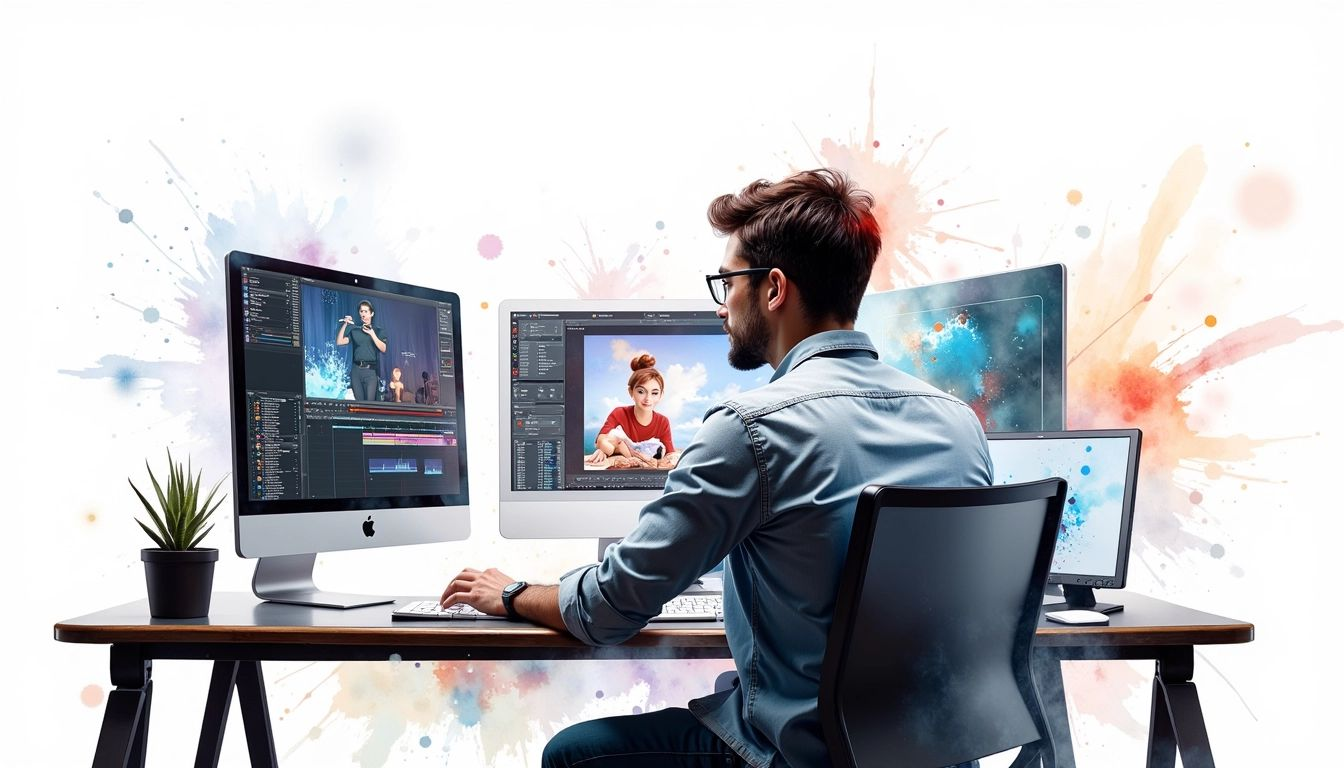
Digital content creation has evolved rapidly over the past decade. With the rise of social media, online marketing, and multimedia storytelling, videos have become the most engaging form of content. However, producing high-quality videos traditionally requires technical expertise, editing software, and substantial time investment. This is where image to video AI comes into play, transforming the way creators, marketers, and businesses produce dynamic content.
By leveraging image to video technology, users can convert static images into engaging motion videos effortlessly. In this article, we explore how image to video AI is revolutionizing digital content creation, its benefits, applications, and the future of AI-driven video production.
Image to video AI is a technology that uses artificial intelligence to analyze static images and generate motion videos from them. The AI detects elements within an image, such as the subject, background, and objects, and predicts movement to create intermediate frames. These frames are then combined to produce smooth, cinematic video content.
Unlike traditional video editing, which relies heavily on manual work—such as adjusting keyframes, transitions, and effects—image to video platforms automate the process. Users simply upload their images, select motion presets or cinematic styles, and let the AI generate the video. This automation allows even beginners to create professional-quality content quickly and efficiently.
Creating videos manually can take hours or even days. Image to video AI automates motion generation, allowing creators to produce videos in minutes, saving significant time and effort.
High-quality video creation traditionally requires expensive software or hiring professional editors. AI platforms reduce costs by providing automated video creation tools that are often free or low-cost.
With image to video ai, even individuals without technical skills can produce cinematic videos. This democratizes content creation, making it accessible to small businesses, social media influencers, and hobbyists.
Videos created with image to video tools are more dynamic and visually appealing than static images, increasing engagement on social media platforms and marketing campaigns.
AI platforms often provide multiple motion presets, cinematic effects, text overlays, and sound options. This allows creators to experiment and craft unique content tailored to their audience.
Social media thrives on dynamic visuals. Marketers can use image to video AI to transform product photos, promotional graphics, or banners into engaging videos optimized for platforms like Instagram, TikTok, and YouTube.
Creators can animate personal photos, illustrations, or art, turning them into compelling stories. This is particularly useful for vloggers, educators, and storytellers looking to add a cinematic touch to their content.
Businesses can leverage image to video AI to create promotional videos, digital ads, or animated product showcases. Videos capture more attention than static visuals, increasing brand awareness and conversion rates.
Educators can convert diagrams, infographics, or instructional images into motion videos. This makes lessons more interactive, engaging, and easier to understand for students.
Artists, designers, and illustrators can bring their work to life. Image to video AI allows them to add depth, motion, and cinematic effects, enhancing their creative portfolio and attracting a wider audience.
When selecting an image to video AI platform, consider these features to maximize results:
The AI should automatically detect motion paths and animate images without manual intervention.
Presets like zoom, pan, parallax, and cinematic transitions add professional flair to your videos.
Platforms should offer multiple video resolutions and aspect ratios, optimized for social media and marketing channels.
A simple, intuitive interface allows creators of all skill levels to produce high-quality videos efficiently.
Quick rendering ensures content can be created rapidly, which is crucial for time-sensitive marketing campaigns or social media trends.
Use High-Resolution Images – High-quality photos lead to smoother motion and better video output.
Simplify Backgrounds – Clear backgrounds help the AI focus on main subjects for natural movement.
Experiment with Motion Styles – Try different presets to find the best cinematic effect for your content.
Add Branding Elements – Incorporate logos, text overlays, and colors to maintain brand consistency.
Keep Videos Short and Engaging – Short videos perform better on social media and retain viewer attention.
Test Multiple Versions – Experiment with motion, duration, and style to identify the most effective content for your audience.
While image to video AI tools are powerful, some limitations exist:
Complex images may produce unnatural motion.
Free versions may include watermarks or restrict video length.
Advanced customization may require paid plans.
Video quality depends on the resolution of the original images.
Despite these limitations, image to video technology provides a practical, efficient, and creative solution for content creators and marketers.
The potential of image to video AI continues to grow. Emerging trends include:
Realistic 3D motion and depth effects
AI integration with automated captions, voiceovers, and soundtracks
Faster rendering for longer and higher-resolution videos
Advanced cinematic effects for professional-quality content
Increased accessibility for mobile and web-based video creation
As these tools advance, image to video AI will become essential for marketers, educators, social media creators, and storytellers, transforming the landscape of digital content creation.
Image to video AI is revolutionizing digital content creation by transforming static images into dynamic, cinematic videos. These tools save time, reduce costs, and make video production accessible to all, regardless of technical skills.
From social media campaigns and advertising to educational projects and creative storytelling, image to video platforms empower creators to produce engaging, professional-quality content quickly and efficiently. By leveraging AI motion prediction, cinematic presets, and intuitive interfaces, creators can elevate their content, increase audience engagement, and stay ahead in the competitive world of digital media.
As AI technology continues to evolve, image to video AI will become an indispensable tool for anyone looking to create visually compelling, high-impact digital content.