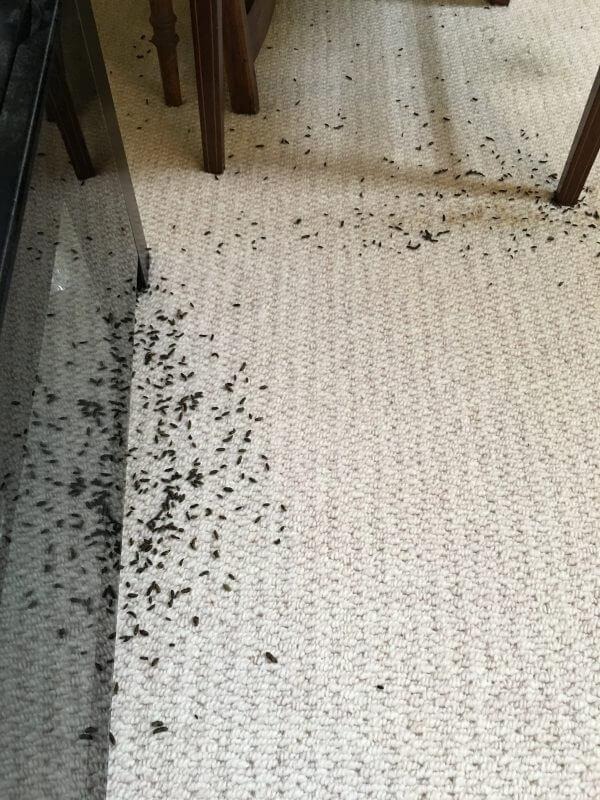
Rats are one of the most persistent household pests in the UK, yet they’re also one of the most misunderstood. When homeowners first notice scratching noises, droppings, or damage, many turn to quick DIY fixes found online. Unfortunately, some of the most popular “solutions” don’t just fail — they can actually make the infestation harder to control.
Below are the most common DIY rat control myths, and why relying on them often backfires.
One of the most shared online claims is that a mixture of food bait and baking soda will kill rats after ingestion. In reality, rats are cautious feeders. They nibble small amounts and avoid substances that make them feel unwell. Even when consumed, the effect is unreliable and rarely fatal.
More importantly, failed DIY attempts can cause rats to scatter deeper into wall voids, making professional control more complex. A clear breakdown of why this myth persists — and why it doesn’t work — is explained in this guide on peanut butter and baking soda for rats.
Rodent poison may seem like an easy fix, but improper use is one of the biggest causes of prolonged infestations. Poisoned rats often die inside walls, lofts, or under floors, creating severe odour issues and attracting flies.
There’s also the legal and safety risk: secondary poisoning of pets and wildlife is a serious concern in the UK, and misuse can breach regulations.
Despite bold marketing claims, ultrasonic repellents have repeatedly failed independent testing. Rats quickly adapt to the noise, and infestations continue as normal.
These devices may offer peace of mind — but not pest control.
Rats are social animals. If you see one during the day, it often indicates high population pressure. By the time visual sightings occur, a nest is usually established nearby.
Effective rat control requires:
DIY myths delay proper action and often increase damage. When rats are involved, early professional intervention saves both time and money.