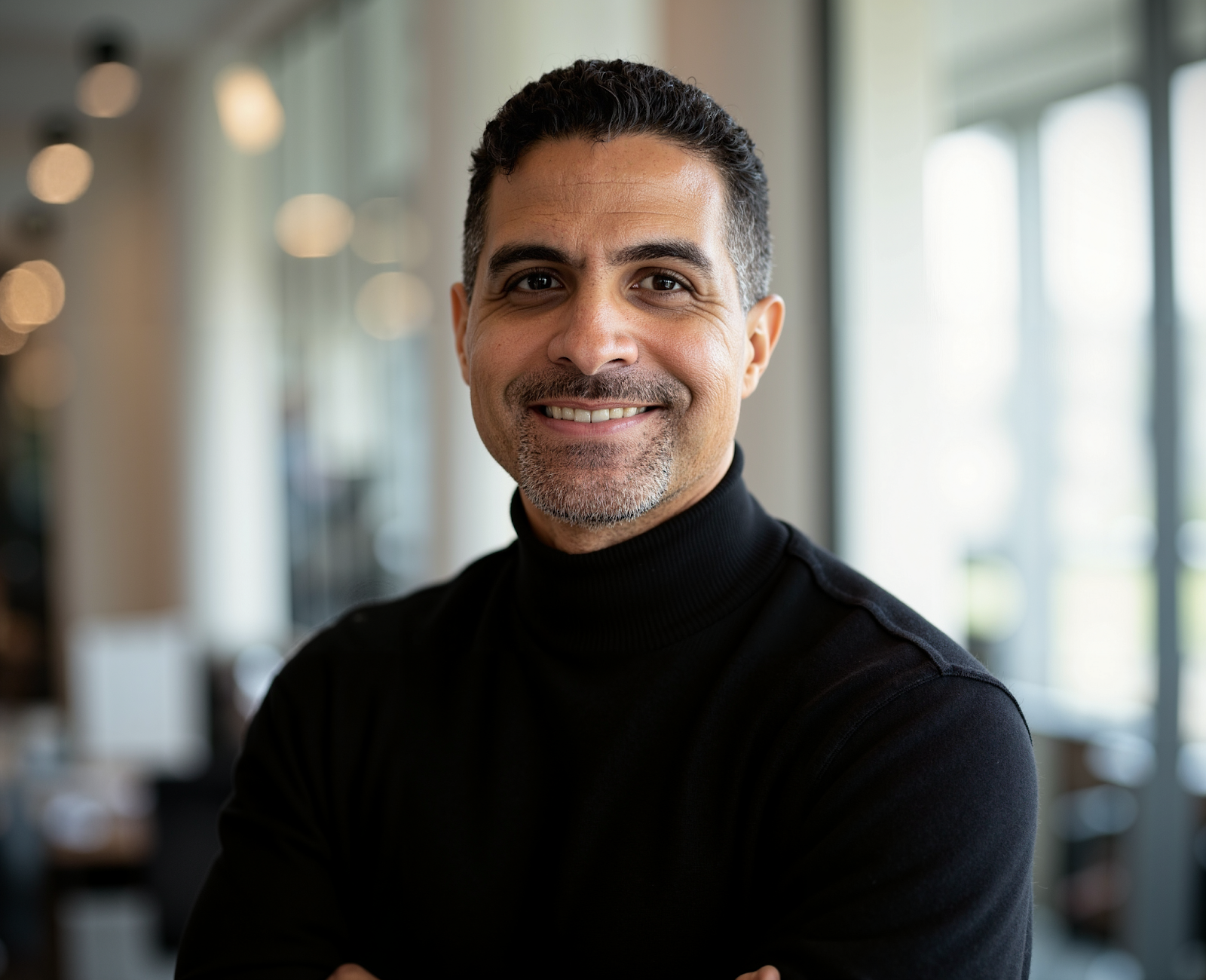
In a profession shaped by scrutiny, pressure and rapid change Commander Joshua Wallace has built a career defined by steadiness, accountability and disciplined leadership. With more than twenty five years of service in the Chicago Police Department Wallace has moved through nearly every layer of modern policing from field operations to executive command. His current role overseeing the Criminal Network Group within the Bureau of Counterterrorism places him at the center of some of the most complex investigations facing major cities today. These investigations demand precision interagency coordination and an unwavering commitment to constitutional standards.
What sets Wallace apart is not simply the positions he has held but the clarity with which he defines leadership. His approach rejects theatrics and shortcuts. Instead it emphasizes preparation transparency and the belief that trust is earned through consistent action rather than words. In conversations drawn from extensive interviews and professional records his philosophy emerges as practical grounded and shaped by experience rather than ideology.
Wallace did not enter law enforcement chasing status or authority. His motivation came from a sense of responsibility shaped early in life. Growing up he observed how leadership and trust could either stabilize or weaken neighborhoods. That observation stayed with him. He saw policing not simply as enforcement but as a form of guardianship where decisions made under pressure carried lasting consequences for individuals and communities.
That perspective guided him through the early years of his career when learning the mechanics of police work mattered less than understanding people. Wallace often notes that authority comes with a badge but influence comes from character. This distinction would later shape how he approached command roles where influence rather than rank determines whether standards hold when pressure rises.
One of the most formative periods in Wallace’s career came while commanding the 002nd District during a time of rising violence and strained community relations. Traditional enforcement alone was not producing sustainable results. Wallace recognized that without trust even well planned operations would fail to deliver lasting stability.
He shifted focus toward relationship building without abandoning accountability. Officers were encouraged to engage with community stakeholders while still maintaining disciplined enforcement strategies. The result was not immediate praise or dramatic headlines but gradual improvement in balance and cooperation. For Wallace this period reinforced a central lesson: leadership is measured by outcomes over time not short term approval.
Wallace consistently returns to three core values: accountability, integrity and trust. Accountability begins internally. He holds himself and his teams to standards that do not change when conditions become difficult. Integrity is defined as doing what is right even when oversight is absent. Trust is treated as a daily obligation rather than a public relations goal.
In high pressure environments such as narcotics gangs and counterterrorism work these values are tested constantly. Wallace emphasizes that drift occurs when results are allowed to justify shortcuts. He watches closely for early warning signs including degraded documentation resistance to oversight and an overreliance on confidential sources without proper validation. Addressing these issues early prevents the slow erosion that leads to larger failures.
As commander of the Criminal Networks Group, Wallace oversees investigations that rarely respect jurisdictional boundaries. Modern criminal organizations operate as decentralized ecosystems rather than hierarchical structures. This reality demands intelligence driven approaches from the outset.
Wallace has led multi agency operations involving federal state and local partners targeting violent drug firearms and fraud networks. In one such initiative coordinated warrants and intelligence sharing disrupted a multi state organization tied directly to neighborhood violence. The impact was measured not only in arrests and seizures but in sustained reductions in retaliatory violence. For Wallace success is defined by prevention and disruption rather than raw numbers.
Advanced leadership training played a significant role in refining Wallace’s command style. Programs such as the FBI National Academy Northwestern’s School of Police Staff and Command and the Senior Management Institute for Police emphasized strategic thinking, behavioral science and crisis leadership.
These experiences reinforced his belief that effective command presence is quiet rather than loud. During critical incidents Wallace relies on structure verifying facts, isolating variables and communicating clearly. Emotional discipline is treated as an operational necessity. In his view leaders who cannot regulate themselves under stress cannot expect stability from their teams.
Mentorship is central to Wallace’s legacy. He has recommended multiple officers for merit based promotions and takes pride in watching them grow into capable supervisors. His approach to developing leaders involves assigning responsibility before individuals feel fully ready while providing consistent guidance.
He looks for honesty, willingness to learn and empathy as non-negotiable traits. Technical skill can be taught character cannot. Wallace also normalizes uncertainty for new supervisors explaining that confidence comes from preparation values and adaptability rather than certainty. By protecting supervisors who make sound decisions in good faith he builds confidence that sustains them through criticism and complexity.
High pressure units face unique risks including burnout, cynicism and cultural breakdown. Wallace views accountability as the primary safeguard against these threats. Standards do not relax under pressure. Documentation constitutional compliance and supervisory review remain constant regardless of workload.
He distinguishes between punitive and developmental accountability. The former addresses misconduct while the latter prevents it by correcting small deviations before they become norms. This approach protects officers from themselves and from unhealthy group dynamics where loyalty can override judgment. In consent decree environments accountability becomes even more critical serving as the barrier that allows aggressive policing to coexist with constitutional requirements.
Wallace has led through periods of intense public scrutiny, institutional change and national attention. His method for distinguishing legitimate operational concerns from perception gaps relies on data patterns and internal feedback. When criticism is supported by evidence from multiple independent sources it signals a need for operational correction. When criticism reflects misunderstanding it requires transparency and communication rather than tactical retreat.
He cautions against misdiagnosis. Treating real problems as perception issues leads to deeper mistrust. Treating perception gaps as operational failures undermines effective policing. The response must match reality. This disciplined assessment protects both community trust and organizational effectiveness.
Wallace has spoken openly about personal financial hardship including bankruptcy stemming from life challenges rather than professional misconduct. He views this experience as formative rather than disqualifying. Recovery required discipline, humility and transparency, the same qualities he expects from leaders.
By sharing this chapter Wallace reinforces a broader message: adversity does not end leadership credibility if responsibility is owned and lessons are applied. This openness has strengthened his mentorship relationships and reinforced his emphasis on resilience and empathy within command roles.
As Wallace looks toward the future his definition of legacy remains straightforward. He wants officers to remember serving under a leader who held standards, told the truth and never asked them to compromise integrity for results. For communities he hopes the impact is visible in safety, trust and consistency rather than slogans.
In an era when policing is often framed through extremes Commander Joshua Wallace represents a disciplined middle ground grounded in accountability preparation and respect for both the law and the people it serves. His career offers a model of leadership that prioritizes long term stability over short term gain and demonstrates that credibility is built through daily decisions made when no audience is watching.