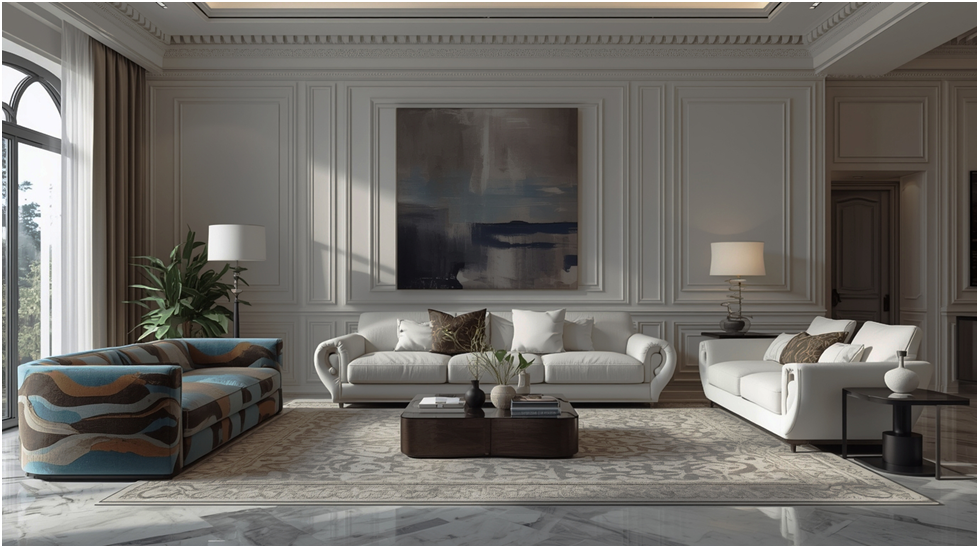
Choosing between a white and a colorful sofa has become one of the most debated decisions in contemporary interior design. In modern, high-end living rooms, the sofa is no longer just a background furniture but a visible statement of taste, lifestyle, and intent. A white sofa promises visual calm and restraint, while a colorful sofa adds character, mood, and sometimes provocation. This tension lies at the heart of many design conversations today.
Looking at collections across the industry, the contrast is clear: brands such as Bonaldo offer sofas in neutral tones, emphasizing chromatic restraint, balance, and formal control. On the other hand, brands like Moroso often lean into expressive hues. This approach is evident in pieces such as the Victoria and Albert sofa by Ron Arad or the Newton sofa by Massimo Iosa Ghini, where color becomes an active design element rather than a discreet finish.
The Psychology Behind Sofa Color
From an environmental psychology standpoint, white sofas create visual breathing space. They reflect light, reduce visual noise, and make interiors feel open and organized, especially in compact or densely furnished rooms.
By contrast, colorful sofas activate perception immediately. They introduce emotional cues linked to energy, creativity, or comfort.
The choice between the two options often reflects how people want to feel at home, calm and composed or expressive and engaged; rather than following rigid stylistic frameworks imposed by trends or magazines.
White Softens Boundaries, Color Draws Borders
In many contemporary interiors, the sofa serves as the living room's architectural focal point. A white sofa behaves almost like a soft structural surface, defining zones without dominating them.
A colorful sofa, instead, becomes an anchor. It establishes hierarchy, guides circulation, and often dictates how surrounding furniture is positioned. This role is particularly evident in open plan homes, where seating replaces walls as the main organizer of space and visual divider.
From Clean Minimalism to Dopamine Decor
Current design trends reveal a clear shift. Clean minimalism remains influential, but it now shares space with dopamine decor, a movement that embraces emotional responses and individuality.
White sofas align with editorial and gallery-inspired interiors focused on restraint and clarity. Colorful sofas answer a growing desire for warmth, identity, and personal expression. Neither approach prevails entirely, reflecting a broader cultural shift toward freedom of expression in domestic environments.
Choose Covers, Not Just Color
Maintenance is where theory meets everyday reality. White sofas show stains quickly and can cause constant concern in homes with children or pets.
Color may hide minor wear, but it introduces different challenges. Dark tones reveal dust and hair, while saturated hues risk fading with prolonged sun exposure.
In practice, fabric composition, weave density, and removable covers matter more than color alone when evaluating long term durability.
How Styling Choices Affect Cohesion
The idea that white goes with everything is only partially accurate. White sofas require contrast, texture, and material variation to avoid looking flat or impersonal.
Colorful sofas simplify palette building but reduce flexibility over time. Models such as the Paraiso sofa by Sergio Bicego for Bonaldo explore nuanced chromatic ranges, while the Casablanca sofa by Paola Navone emphasizes proportion and clarity through soft, colorful tones.
Hybrid Solutions and Middle Ground Choices
Between pure white and bold color lies an expanding middle ground. Warm neutrals, muted greens, dusty blues, and modular systems with interchangeable covers allow interiors to evolve gradually. Many homeowners now prefer adaptable solutions that respond to changing tastes without replacing key furniture pieces. This approach reflects a more pragmatic understanding of luxury as something flexible rather than fixed.
Common Mistakes to Avoid
One frequent mistake is choosing a sofa based solely on color while overlooking scale, depth, and comfort. Another is ignoring natural light, which can dramatically alter perception throughout the day. Overloading a room with strong decorative elements after selecting a colorful sofa is also common, often resulting in visual fatigue instead of balance.
As living rooms continue to absorb work, leisure, and social interaction, the debate between white and colorful sofas will likely soften. Future design conscious living will prioritize adaptability, material intelligence, and real use over rigid color ideologies. In this context, the ideal sofa will not follow rules, but support how people actually live.