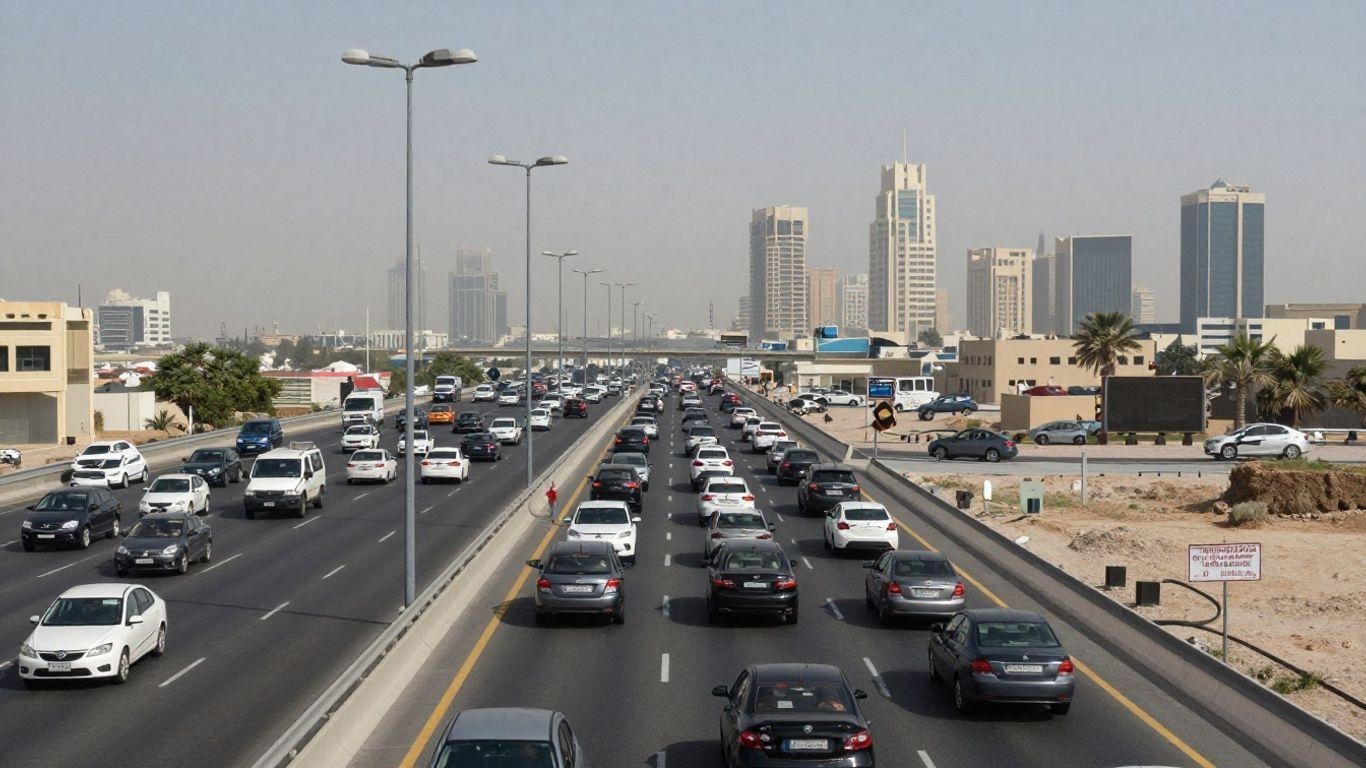
Driving between Dubai and Sharjah is a daily reality for many, and understanding the main roads is your first step to making the trip less stressful. Think of these routes as the main arteries connecting the two emirates. Each has its own personality when it comes to traffic flow, so knowing them can really help. This is especially useful if you choose a car rental Dubai option for daily commuting or short-term travel.
KNOWING THE E11, E311 AND E611 EN ROUTE
These three roads are the main routes from Dubai to Sharjah. No two are alike and the best one for you can vary by time of day and exactly where you’re going.
•E11 (Sheikh Zayed Road / Al Ittihad Road): This is the traditional route and usually the most direct. Nearer to Sharjah, it is called Al Ittihad Road. This is the most famous route, but it can be really crowded, especially at rush hours. When you’re wondering about the fastest way, and there’s no other traffic to be seen, this is often it. But it’s also where a lot of Salik gates are, which will rack up the price of your trip.
• E311 (Sheikh Mohammed Bin Zayed Road — SMBZ Road): This road also runs along with the E11 but is a little inland. It’s usually a multi-lane highway that should be traveled at faster speeds. Lot of people are a good alternative while the E11 is all jammed up. It can be a smoother drive and save tagalongs some coastal slowcoaches. That´s a good option if you are considering using a car rental Dubai service but don't want to struggle in the worst of the city traffic.
• E611 (Emirates Road): This is the furthest highway. It typically has the longest distance drive but if there’s truly terrible traffic on the other two it can occasionally have the fastest. If you’re not heading straight for the coastline, or if you want to avoid the main city routes altogether, this is a great option. It acts as a big bypass.
Here's a quick look at how they generally compare:
Identifying Traffic Hotspots And Bottlenecks
Even on these major routes, certain spots are known for causing delays. Being aware of these can help you prepare or even change your route.
Knowing these common problem areas means you can anticipate delays. Sometimes, just knowing a slowdown is coming makes it feel less frustrating. It's all about managing expectations and having a plan B, even if that plan B is just waiting it out with some good music.
Managing Peak Hour Travel And Real-Time Navigation
Getting from Dubai to Sharjah during rush hour can feel like a real test of patience. The morning and evening commutes are when traffic really piles up, turning what should be a quick drive into a much longer ordeal. It's not just about the sheer number of cars; it's about how they all try to use the same main roads at the same time.
Strategies For Avoiding Morning And Evening Rush Hours
So, how do you get around this daily traffic puzzle? It mostly comes down to timing and a bit of planning. Trying to beat the rush is key. If you can, shifting your travel time even by 30 minutes can make a huge difference. Leaving super early, before 6:30 AM, or a bit later, after 9:30 AM, often means hitting less dense traffic. The same logic applies to the evening commute – aim to leave work before 3:00 PM or wait until after 7:00 PM if possible.
Here are a few ideas to try:
Leveraging Navigation Apps For A Smoother Car Rental Dubai Experience
In today's world, you'd be crazy not to use a real-time navigation app. Tools like Google Maps or Waze are practically lifesavers for anyone driving between Dubai and Sharjah. They constantly update with traffic conditions, showing you exactly where the slowdowns are. You'll see those dreaded red and dark red lines indicating heavy traffic, and the apps will often suggest quicker detours.
When you rent a car in Dubai, make sure your phone is set up to use one of these apps. They can:
These apps are incredibly useful for understanding the traffic patterns between Dubai and Sharjah. They help you make informed decisions on the fly, turning a potentially frustrating drive into a more manageable one. Just remember, even with the best app, unexpected incidents can still cause delays, so staying calm and patient is always a good idea.
Understanding Tolls And Costs For Your Journey
When you're driving between Dubai and Sharjah, it's not just about the time spent on the road; you also need to think about the money involved. Two main costs pop up: tolls and fuel. Plus, finding a parking spot can sometimes add to the expense.
Salik Gates And Their Impact On Your Trip
Dubai uses an electronic toll system called Salik. It's pretty straightforward: as you drive through a Salik gate, AED 4 is automatically taken from your Salik account. You need to have a Salik tag on your car's windshield, and your account needs enough money in it. If not, you could get fined, and nobody wants that. There are a few Salik gates you might pass through on your way to Sharjah, depending on which route you take. For example, if you're using the E11 route, you might encounter gates like Al Garhoud Bridge or Al Maktoum Bridge. It’s a good idea to check your Salik balance regularly, maybe once a week, and top it up online or through an app before it gets low. This simple step can save you a lot of hassle and potential fines.
Here's a quick look at some common Salik gates:
Frequently Asked Questions
Fastest mode of transport from Dubai to Sharjah?
The quickest routes are the E11 (Sheikh Zayed Road) or the E311 (Sheikh Mohammed Bin Zayed Road). Traffic can get mighty crowded during busy hours, however, so it’s a good idea to check a live traffic app before you head in. E611 (Emirates Road) will be a faster drive at times if the other roads are blocked up.
When is the worst time to ensure a commute between Sharjah and Dubai?
It’s typically busiest during the morning rush, from about 6 a.m. until 9:30 a.m., and in the evening, from approximately 4:30 p.m. to around 8 p.m. Throughout this time, your journey may be significantly longer than normal – sometimes more than double or triple the time.
Are tolls required for driving between Dubai and Sharjah?
Yes, there will be Salik toll gates; you’ll hit them particularly if you’re driving on the E11. You are charged AED 4 for each toll, which is automatically deducted from your Salik account. Ensure that your Salik tag is ready and has sufficient balance to avoid fines.