The standard processes for any field change inevitably over time, but occasionally there are large trends or dramatic events that force that change to happen all at once. The COVID-19 pandemic was one such catalyst for change, and nearly every industry in the United States remains permanently changed in the aftermath, for good or ill. The legal field is no exception, following the example of other industries and embracing remote work and virtual collaboration. The post-pandemic legal landscape is one that lives in digital meetings and boardrooms far more than ever before, and this is most noticeable when it comes to mediation.
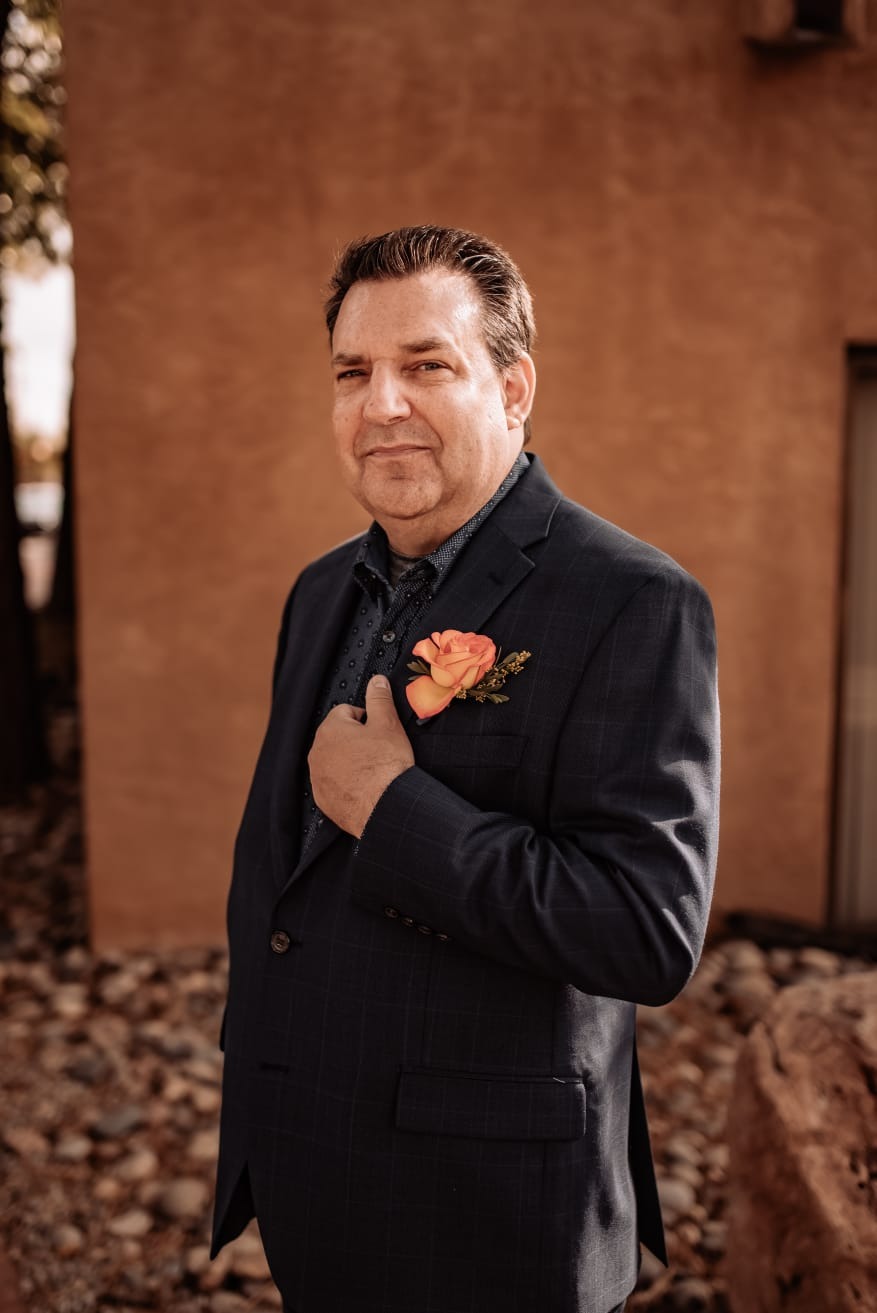
Christopher Leroi, an attorney and committed legal and policy professional with over twenty years of experience in courtroom practice, public advocacy, and collaborative systems change, has embraced this industry shift wholeheartedly. He’s worked on both sides of the bench at the intersection of law, education, and human rights in order to protect vulnerable populations and drive inclusive policy where possible. Equity and access are core values for his legal practice, particularly in regards to individuals with disabilities and often underserved communities. Given this background, embracing virtual mediation in the modern legal world was an inevitability.
“My courtroom, teaching, and mediation experience allow me to navigate contentious situations calmly and guide diverse parties toward understanding and cooperation,” Leroi says. “I believe lasting impact comes from principled leadership grounded in compassion, service, and the belief that justice must be both accessible and collaborative.”
A Practiced Mediator
After serving many years as a judge, Christopher Leroi found that he enjoyed the neutrality of the position, but wanted to continue solving disputes and helping others. It was then a natural choice to become Alternative Dispute Resolution (ADR) certified, which let him leverage his legal knowledge and skills toward that end. Leroi has served as a certified mediator resolving disputes in civil, family, and administrative settings with a success rate of over 90%, and a significant contributor to that success rate is the respect he shows the parties involved. Active listening leads to clients that feel heard and understood, which then leads to equitable solutions that both parties can accept.
“Courts often focus on legal rights and remedies, while mediation allows space for context, relationships, and underlying interests,” Leroi explains. “By addressing the human dimensions of conflict, mediation can produce resolutions that feel more just, durable, and responsive to real-world needs.”
The values that drive Leroi’s mediation practice are the same he’d expect of any legal advocate: a commitment to integrity, equity, accountability, and service. Honesty, consistency, and ethical clarity are the cornerstones of integrity in any field, and are especially critical in the legal field where clients’ livelihoods and futures can be at stake. That trust is only earned through consistent transparency and neutrality in mediation. Leroi proves his commitment to those things by approaching conflict resolution with an awareness of the power imbalances and cultural differences that may separate him and his clients from each other, in order to make sure that everyone is respected and has their voices heard.
“I am deeply committed to ensuring that all voices are heard and respected—especially those that have historically been marginalized or underrepresented,” Leroi says. “I believe that people are more likely to reach durable, meaningful outcomes when they feel respected and understood.”
However, the core of Christopher Leroi’s work has always been a desire to serve the public good—a commitment to service. Leadership and mediation are not positions of authority or power meant for self-enrichment, but opportunities to support communities, strengthen key systems, and help people navigate complex challenges fairly, and with care. To that end, clear expectations, consistent follow-through, and continuous learning are key pillars of accountability that Leroi embraces, so that he can continue serving the public as best he can.
Embracing Virtual Environments
Given that his career has been built on the ideals of equity, fairness, and respect, it’s no surprise that Leroi has so effectively embraced virtual mediation as a core aspect of his practice. One of the most common barriers to effective mediation participation has been being physically present. The costs of travel, potential physical limitations, and the complications of geographic distance all play a role in dissuading people from pursuing fair mediation—all problems solved by virtual platforms and meeting tools.
“I use widely available, user-friendly platforms and provide clear pre-session guidance so all participants—regardless of technical skill—can engage comfortably,” Leroi explains. “When needed, I offer accommodations such as flexible scheduling, regular breaks, closed captioning, or the ability to participate by phone, ensuring access for individuals with disabilities, health concerns, or caregiving responsibilities.”
With the largest and most common barrier solved by technology, Leroi can apply his other skills to promote fairness, confidentiality, and trust in the mediation process. Clear ground rules can be set at the outset, and speaking time can be managed fairly to prevent any one party from dominating the process. Virtual breakout rooms allow for confidential caucuses that allow parties to speak candidly amongst themselves, which enable balanced negotiation. All the while, Leroi is able to remain attentive to power imbalances and differences in communication styles to keep the process respectful and even-handed.
A reasonable concern many people may have with digital tools is security and confidentiality, but those concerns can be easily assuaged. The virtual platforms Christopher Leroi uses for mediation are supported by robust security settings, which are backed up by clear expectations around privacy and provided guidance on participating from private spaces. Leroi’s role as a neutral facilitator is the same between in-person or virtual mediation sessions: he does not advocate for any party, but stands in to clarify issues, explore interests, and support voluntary and informed decision-making.
“By clearly explaining the process, technology, and expectations in advance, virtual mediation fosters trust and reduces anxiety,” he says. “This transparency, combined with structured facilitation, helps ensure that outcomes are driven by the parties’ own informed choices rather than by unequal access, technology gaps, or procedural disadvantages.”