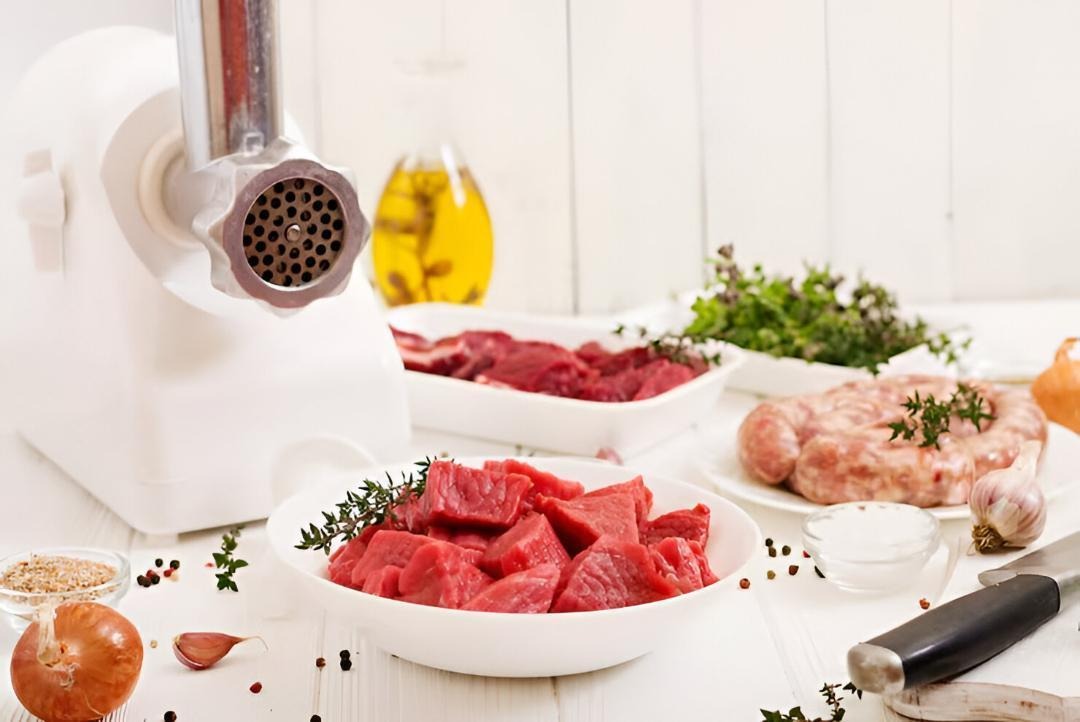
Food quality is not only about recipes and ingredients; it is also deeply influenced by the tools used during preparation. In modern kitchens, equipment choice has become a deciding factor in consistency, safety, and overall cooking standards. This is especially true when it comes to meat-based dishes, where texture, freshness, and hygiene directly affect the final outcome.
As kitchens evolve, there is a growing understanding that traditional methods alone are no longer sufficient. Professional and home kitchens alike are shifting toward smarter equipment choices to meet higher expectations. Meat preparation, being one of the most sensitive processes, requires reliable tools that can support accuracy and control at every step.
The Connection Between Equipment and Meat Quality
Meat quality can change significantly depending on how it is handled and processed. Improper tools can lead to uneven texture, excessive moisture loss, and inconsistent results. These issues not only affect taste but also reduce the visual appeal of dishes.
When the right equipment is used, meat retains its structure and freshness. Controlled processing ensures that texture remains uniform, cooking times are predictable, and flavor distribution stays balanced. This connection between equipment and quality is why kitchens that focus on excellence pay close attention to their preparation tools.
Why Manual Methods Are No Longer Enough
While manual meat preparation methods were once common, they often fall short in today’s fast-paced environments. Hand-cutting or inconsistent mincing can result in uneven pieces, which negatively impact cooking performance.
Manual methods also require more time and physical effort, increasing the risk of human error. In busy kitchens, this can lead to delays and inconsistency. As food service demands increase, kitchens need equipment that can handle volume while maintaining quality standards.
How a Meat Grinder Brings Precision to Preparation
A Meat Grinder allows kitchens to process meat with accuracy and consistency. Instead of relying on guesswork, meat can be ground to specific textures that suit different recipes. This precision is especially important for dishes where texture plays a major role, such as patties, sausages, and minced-meat preparations.
Fresh processing also ensures that meat is handled only when needed, helping preserve moisture and natural flavor. Precision grinding reduces waste and supports better portion control, making it a valuable addition to modern kitchens.
Supporting Different Cooking Styles and Recipes
Different cuisines require different meat textures. Some recipes need coarse grinding, while others require fine and smooth consistency. Using the right equipment allows kitchens to adapt to various cooking styles without compromising quality.
This flexibility supports:
Being able to adjust meat texture easily allows chefs to expand their menu offerings and maintain authenticity across dishes.
The Role of Consistency in Customer Satisfaction
Consistency is one of the most important factors in customer satisfaction. When customers enjoy a dish, they expect the same experience every time they order it. Inconsistent meat texture or flavor can quickly damage trust.
Reliable meat processing equipment helps ensure that every portion meets the same standards. This consistency builds confidence and encourages repeat customers. For food businesses, maintaining consistency is essential for long-term success and brand reputation.
Efficiency and Time Management in Busy Kitchens
Time management is critical in any kitchen environment. Delays in preparation can disrupt service and increase stress for staff. Efficient equipment helps streamline operations and reduce preparation time.
By reducing manual effort and speeding up processing, a Meat Grinder allows kitchen teams to manage workload more effectively. Faster preparation means smoother service, even during peak hours, without sacrificing food quality.
Hygiene and Clean Handling of Meat
Meat handling requires strict hygiene standards. Equipment used in this process must support easy cleaning and safe handling to prevent contamination. Poorly designed tools can trap residue, increasing the risk of bacterial growth.
Quality equipment is designed with food-grade materials and smooth surfaces that allow thorough cleaning. Easy disassembly ensures that all parts can be washed properly, supporting safe and hygienic operations in both home and professional kitchens.
Reducing Waste Through Better Processing
Food waste is a growing concern in the food industry. Inefficient preparation methods often result in excess trimming, uneven portions, and unnecessary loss.
Proper meat processing equipment helps reduce waste by allowing precise portioning and controlled grinding. Kitchens can process only what is needed, minimizing leftovers and spoilage. Over time, this leads to cost savings and more sustainable operations.
Long-Term Performance and Reliability
Kitchen equipment is an investment, and its long-term performance matters. Frequent breakdowns can disrupt operations and increase maintenance costs. Durable equipment is designed to handle repeated use without compromising efficiency.
Reliable performance ensures that kitchens can operate smoothly without unexpected interruptions. Strong construction and dependable components contribute to consistent output and reduced downtime.
Adapting to Modern Food Safety Expectations
Food safety standards continue to evolve, placing greater responsibility on kitchens to maintain proper handling practices. Equipment that supports safe processing helps kitchens stay compliant with regulations and inspections.
Using appropriate tools demonstrates professionalism and commitment to customer safety. It also helps businesses avoid operational risks associated with poor hygiene or equipment failure.
Choosing the Right Equipment Partner
Selecting equipment is not just about the machine itself; it is also about the reliability of the supplier. A professional supplier understands industry needs and designs products that meet modern kitchen requirements.
For kitchens aiming to improve meat preparation quality and efficiency, Mirabake.com offers food processing solutions that focus on performance, hygiene, and durability.
Preparing Kitchens for Future Demands
As consumer expectations continue to rise, kitchens must be prepared to adapt. Freshness, transparency, and consistency will remain key priorities in food service.
Investing in the right equipment allows kitchens to stay ahead of trends and deliver better results. Tools that support precision and efficiency help kitchens remain competitive in a changing industry.
Final Thoughts
Equipment choice plays a crucial role in determining the quality of meat-based dishes. From texture and flavor to hygiene and consistency, the right tools make a noticeable difference in everyday food preparation.
Managing meat processing with care and precision allows kitchens to deliver better meals while improving efficiency and reducing waste. A reliable meat grinder supports these goals by offering control, consistency, and dependable performance.
With thoughtful equipment selection and proper handling practices, kitchens can meet modern demands and build lasting trust with their customers.