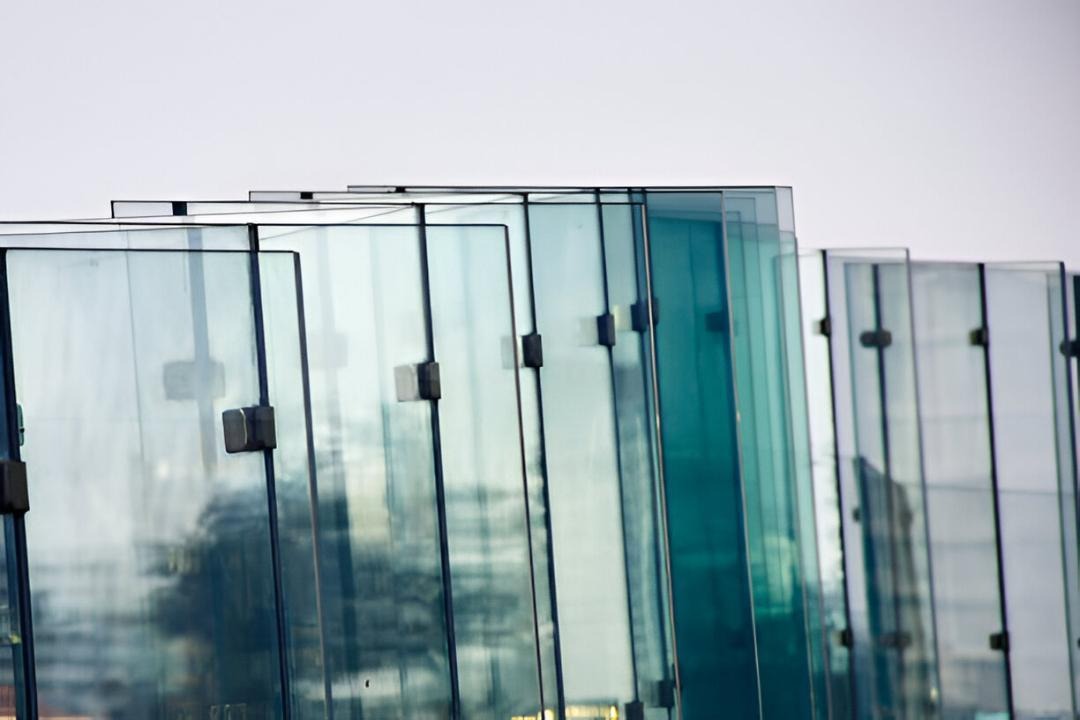
Building facades are no longer simple exterior walls. In modern architecture, the facade is a highly engineered system that controls light, heat, safety, and visual identity. It is the first element people see, and it plays a major role in how a building performs in different environmental conditions.
As facades have become larger and more transparent, glass has taken on a central role in building envelopes. However, traditional glass solutions are often unable to meet the combined demands of safety, durability, and performance. Laminated glass has become a key material in facade engineering, offering a balance between transparency and structural reliability.
Why Facade Projects Depend on a Laminated Glass Manufacturer
In facade design, material performance is just as important as appearance. Choosing a qualified Laminated Glass manufacturer is essential when glass is used as a major exterior component. Laminated glass used in facades must withstand wind loads, temperature changes, and long-term exposure to the environment.
The manufacturing process involves bonding multiple layers of glass with a strong interlayer under controlled conditions. This process determines how well the glass performs when exposed to stress or impact. In facade systems, where glass panels are often large and elevated, manufacturing accuracy directly affects safety and longevity.
Facade engineers and architects rely on experienced manufacturers to ensure laminated glass meets design specifications and regulatory standards.
Laminated Glass as a Structural Safety Element in Facades
One of the primary reasons laminated glass is used in facades is its safety behavior. Exterior glass panels are exposed to wind pressure, accidental impact, and environmental stress. If standard glass breaks at height, it can create serious safety hazards.
Laminated glass is designed to remain intact even when cracked. The interlayer holds the glass fragments together, preventing them from falling. This characteristic makes laminated glass suitable for:
By reducing the risk of falling glass, laminated glass enhances overall facade safety.
Wind Load Resistance and Structural Stability
Modern buildings, especially tall structures, are subject to strong wind forces. Facade glass must be able to resist these forces without failure. Laminated glass offers improved resistance to wind loads due to its layered construction.
The interlayer helps distribute stress across the glass surface, reducing the likelihood of sudden breakage. This improves structural stability and helps facades maintain integrity during storms or high-wind conditions.
In regions with strict wind-load regulations, laminated glass is often a mandatory requirement for facade glazing.
Thermal Performance and Climate Control
Facades play a critical role in regulating indoor temperatures. Laminated glass contributes to better thermal performance by working in combination with insulated glazing units and coatings.
By helping control heat transfer, laminated glass supports:
This thermal contribution makes laminated glass suitable for facades in both hot and cold climates.
Mid-Article Focus: Consistency in Large-Scale Facade Supply
Facade projects often require hundreds or even thousands of glass panels. Consistency in thickness, clarity, and bonding quality is essential to achieve a uniform exterior appearance. Working with a dependable Laminated Glass manufacturer ensures that every panel meets the same quality standards.
Consistent production reduces installation challenges and minimizes the need for on-site adjustments. This helps facade contractors maintain project schedules and avoid costly delays.
Reliable supply is especially important for multi-phase developments where glass installation occurs over extended periods.
Acoustic Benefits for Urban Facades
Many modern buildings are located in noisy urban environments. Traffic, construction, and city activity can significantly impact interior comfort. Laminated glass helps reduce noise transmission through facades by absorbing sound vibrations.
This acoustic performance is valuable for:
By improving sound insulation, laminated glass enhances interior comfort without compromising facade transparency.
UV Protection and Exterior Longevity
Exterior facades are constantly exposed to sunlight. Laminated glass blocks a high percentage of harmful ultraviolet rays, protecting interior spaces and materials from long-term damage.
This UV protection helps preserve:
By reducing UV exposure, laminated glass contributes to longer interior material life and reduced maintenance costs.
Design Flexibility for Contemporary Facade Architecture
Modern facade design often pushes creative boundaries with large glass surfaces, curved forms, and complex geometries. Laminated glass supports this creativity while maintaining safety and performance standards.
Design options may include:
These options allow architects to achieve distinctive facade aesthetics without sacrificing reliability.
Durability Against Environmental Aging
Facades must perform for decades under harsh conditions. Laminated glass is engineered to resist aging caused by moisture, temperature changes, and UV exposure.
High-quality laminated glass maintains its clarity and bonding strength over time, ensuring that facades continue to perform as intended. This durability reduces the need for replacement and supports long-term building value.
Sustainable Facade Solutions and Energy Efficiency
Sustainability is a key consideration in facade engineering. Laminated glass contributes to sustainable building design by improving energy efficiency and reducing material waste.
Durable facade materials lower replacement frequency, while improved thermal and acoustic performance reduces energy consumption. Laminated glass supports green building goals and modern sustainability standards.
Professional Manufacturing and Facade Reliability
Facade systems require precision, coordination, and reliable materials. mannleecw.com reflects a professional approach to laminated glass production, focusing on quality control, consistency, and performance suitable for exterior architectural applications.
Experienced manufacturers understand facade requirements and provide technical support, documentation, and dependable delivery for complex projects.
Future Trends in Facade Glass Technology
As architecture continues to evolve, facade systems will become even more advanced. Laminated glass is expected to play a growing role in supporting smart facades, improved energy performance, and enhanced safety features.
Advancements in interlayer materials and production techniques will further expand laminated glass capabilities in facade engineering.
Conclusion
Laminated glass has become a critical material in modern facade engineering, offering safety, durability, and performance for contemporary building envelopes. Its ability to resist wind loads, improve acoustic comfort, and maintain structural integrity makes it ideal for exterior applications.
By choosing the right manufacturing partner, architects and developers can ensure laminated glass delivers consistent quality and long-term value. As facade design continues to advance, laminated glass will remain a trusted solution for safe, efficient, and visually striking buildings.