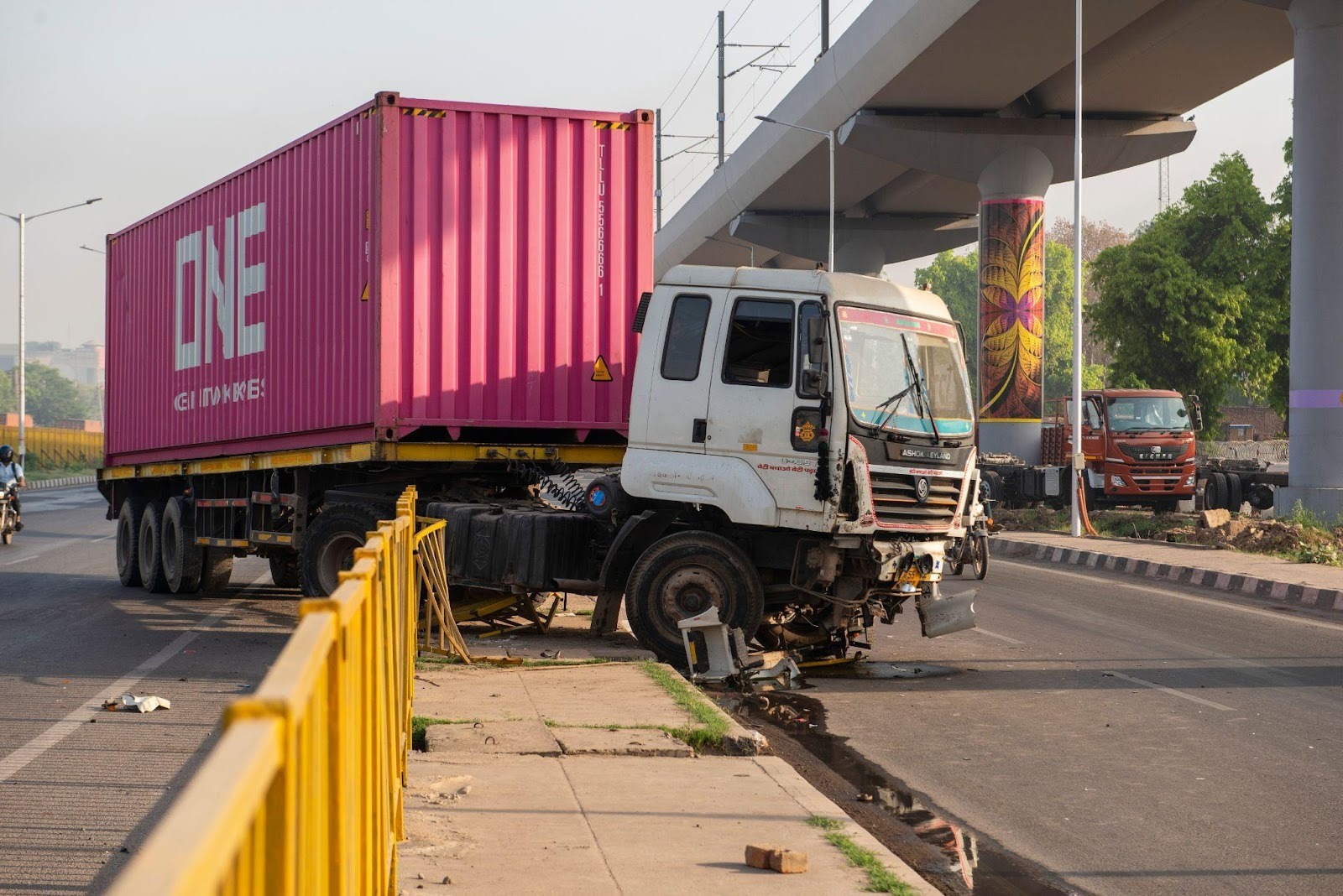
The size of a truck leaves a mark that nothing else can match. A single collision can change the way everything around it is measured, from vehicles to insurance claims.
Serious injuries and major damage follow automatically, but the legal side does not respond in the same way as a typical accident. A standard approach can fall short because truck cases involve more rules, more evidence, and more people responsible.
Here are the reasons why these cases need a unique strategy and careful handling.
Trucks are not small cars. Their weight alone can make collisions devastating. The force of impact is much greater, which often results in severe injuries and total damage to vehicles. This kind of accident usually involves higher medical bills, longer recovery periods, and more property loss.
The ripple effect is significant, and every choice made after the crash can affect the claim. Even small errors in documentation or reporting can reduce the compensation someone receives. A lawyer for truck accident cases can be critical to maintaining a strong claim.
In addition to injuries, truck accidents often involve multiple points of impact and complex crash dynamics. Each factor requires careful consideration to determine liability and the extent of damages. Without proper guidance, what seems like a straightforward claim can quickly become difficult to manage.
Truck accidents rarely involve just one responsible party. The driver may be at fault, but trucking companies, contractors, equipment manufacturers, or cargo loaders can also share liability. This multiplies the legal considerations and creates challenges in determining who is responsible for what.
Proving negligence or fault is more complicated than in a standard vehicle accident. Documentation, contracts, and maintenance records all come into play. Each party may have insurance coverage or defenses that need to be addressed.
A careful legal approach ensures that all responsible parties are properly considered, and the claim is not weakened by overlooking critical evidence.
Trucking operations follow strict regulations designed to prevent accidents. Rules about driver hours, maintenance, cargo weight, and road safety must all be considered when evaluating liability. If a truck is found to violate these rules, it can influence fault and damages.
Understanding these regulations is essential to pursuing a claim accurately. The legal framework is specialized, and knowledge of it can make the difference between a successful case and a reduced settlement. Handling a truck accident claim without expertise in these rules can leave gaps that insurers are ready to exploit.
Evidence in truck accidents is far more complex than in regular crashes. Driver logs, black box data, maintenance reports, and inspection records all play a part. Photographs of the scene, witness statements, and video recordings may also be necessary to establish a clear picture.
Preserving and presenting this evidence correctly is essential. Any delay or oversight can weaken a case. An experienced truck accident lawyer knows how to gather, secure, and present this information effectively. Proper handling ensures that evidence accurately reflects what happened, supporting both liability and damages.
Commercial trucks often carry higher insurance coverage than regular vehicles. Insurance companies know this and can be aggressive in defending their policies. They may challenge the severity of injuries, question liability, or attempt to reduce the payout.
Negotiation strategies in truck cases differ from standard accidents because of the higher stakes and multiple parties involved.
Without specialized legal support, victims may accept lower settlements simply because they are unsure how to respond to insurer tactics.
Truck accidents frequently cause serious injuries such as fractures, spinal injuries, brain trauma, and internal damage. These injuries often require long-term treatment and rehabilitation, creating substantial financial and personal burdens.
Calculating damages in these cases is not straightforward. Medical expenses, lost income, and ongoing care must all be carefully documented. Even minor missteps in reporting or treatment documentation can reduce compensation. Legal expertise ensures that these factors are accounted for correctly and fully.
Taking deliberate steps after a truck accident strengthens a claim and prevents mistakes that reduce compensation. Key actions include:
These actions create a solid foundation that prevents errors from undermining the case.
Truck accident cases require a focused approach due to their complexity. Coordinating multiple pieces of evidence, understanding regulations, and addressing multiple parties’ responsibilities require careful planning. Mistakes or delays can result in reduced settlements or missed opportunities to hold all responsible parties accountable.
A lawyer for truck accident cases ensures that the investigation is thorough, evidence is preserved, and all legal strategies are applied correctly.
This approach improves the likelihood of a fair outcome and helps victims avoid common pitfalls that reduce compensation.
Truck accidents are not ordinary collisions, and the legal response to them should never follow a standard formula. These cases often involve complex evidence, severe and life-altering injuries, and multiple parties whose interests rarely align. Because of this, a thoughtful and customized legal approach is essential from the very beginning.
Early action, detailed investigation, and reliable legal guidance for truck cases can make a critical difference in how a claim unfolds. When technical details are handled carefully and deadlines are met with precision, a claim is better protected against challenges and delays. This level of preparation not only strengthens accountability but also helps maximize the recovery available to those affected.