
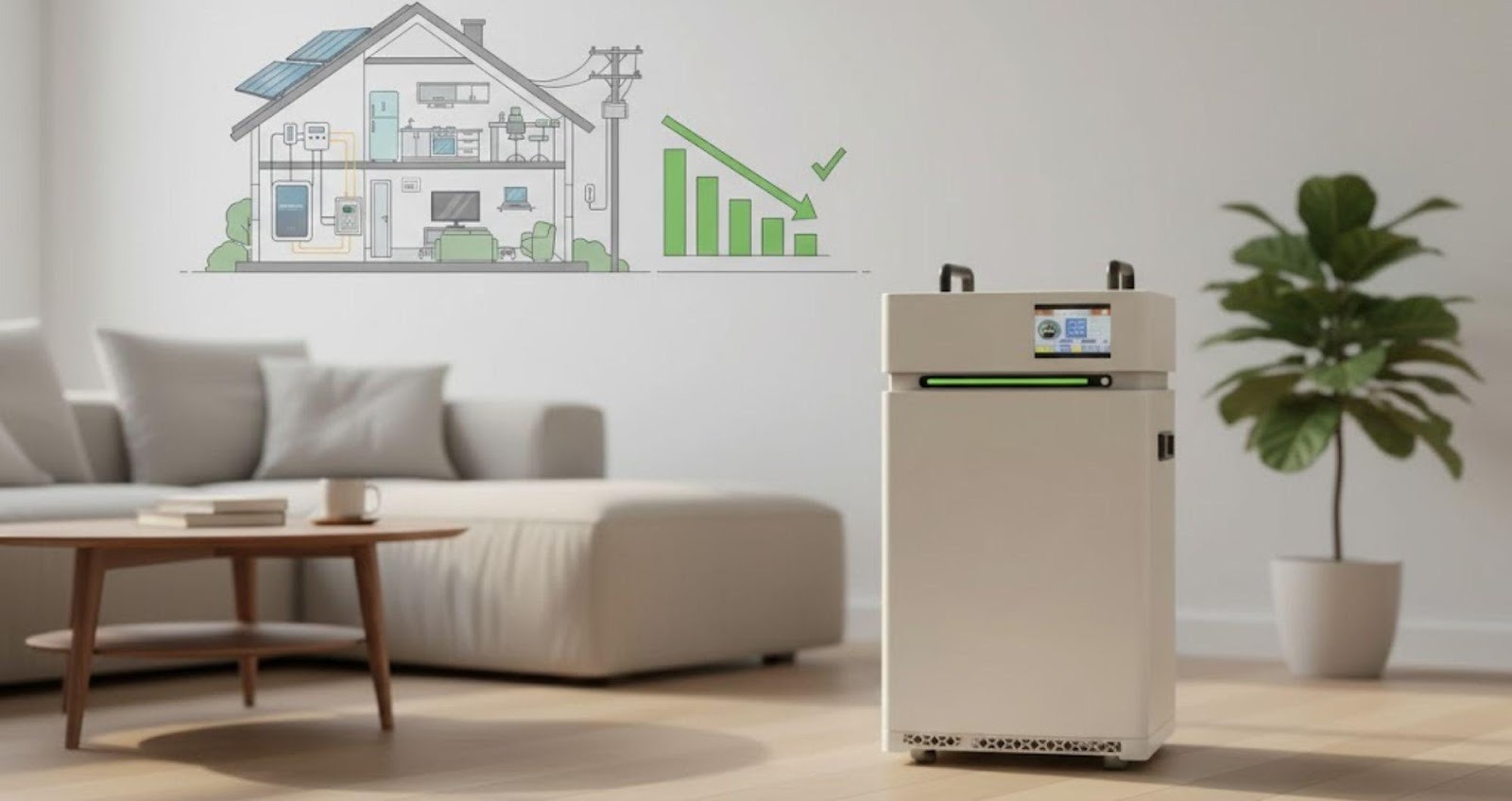
Rising electricity costs and frequent power disruptions have made energy reliability a serious concern for homeowners. Traditional grid dependency often leaves households vulnerable to unexpected outages and unpredictable energy pricing. As a result, more people are turning their attention to home battery systems as a long-term solution for both cost savings and power security.
Home battery systems allow households to store electricity for later use, offering greater control over when and how energy is consumed. Whether paired with solar panels or charged from the grid, these systems are transforming how homes manage electricity. Understanding how they work and what benefits they provide is essential for anyone considering smarter energy choices.
Home battery systems are energy storage solutions designed to store electricity for residential use. Instead of relying on power from the grid at all times, homeowners can use stored energy during peak hours or outages. These systems act as a buffer between energy generation and energy consumption.
Most modern home battery systems store electricity in rechargeable battery units installed within or near a home. The stored power can be used when electricity prices are high, when solar panels are not producing energy, or when the grid goes down entirely. This flexibility makes them an increasingly popular option for modern households.
At their core, home battery systems operate by charging, storing, and discharging electricity in response to household demand. When excess electricity is available, it is stored in the battery rather than being sent back to the grid. This stored energy is then released when it is most useful.
The charging process can occur in several ways. Batteries may charge using electricity from rooftop solar panels during daylight hours or draw power from the grid during off-peak pricing periods. Once stored, the system automatically supplies electricity when usage increases or when external power becomes unavailable.
Advanced energy management systems monitor consumption patterns and optimize when stored power is used. This automation ensures efficiency without requiring constant user intervention, making home battery systems both practical and user-friendly.
Electricity prices have steadily increased due to growing demand, aging infrastructure, and reliance on fossil fuels. Peak demand periods often come with higher tariffs, which significantly impact monthly energy bills. Homes that rely entirely on grid electricity are especially vulnerable to these fluctuations.
In many regions, households pay more for electricity during specific hours of the day. This pricing structure penalizes energy use when demand is highest. Without an alternative energy source or storage option, homeowners have little control over these rising costs.
Home battery systems help offset this issue by allowing households to store cheaper electricity and use it when prices are highest. This shift in consumption patterns can result in noticeable long-term savings.
One of the primary advantages of home battery systems is their ability to reduce reliance on expensive grid electricity. By storing energy during low-cost periods, households can avoid drawing power when rates spike. This strategy is especially effective in areas with time-of-use pricing.
Homes equipped with solar panels benefit even more. Excess solar energy produced during the day is stored rather than wasted. This stored energy can power the house at night, reducing the need to purchase electricity from the grid.
Over time, consistent use of stored energy leads to lower monthly bills. While savings vary by usage habits and local pricing, the overall financial benefit becomes more apparent over the long term.
Power outages can disrupt daily life, damage appliances, and compromise safety. Home battery systems provide a reliable backup power source that activates automatically when the grid fails. This seamless transition ensures essential appliances continue functioning without interruption.
Unlike traditional generators, battery systems operate silently and require no fuel. They can support lighting, refrigeration, communication devices, and even medical equipment during outages. This reliability makes them particularly valuable in regions prone to storms or unstable grid infrastructure.
By providing continuous access to electricity, home battery systems offer peace of mind and increased household resilience during unexpected power disruptions.
Energy independence is becoming a key priority for homeowners. Relying solely on the grid limits flexibility and exposes households to price volatility. Home battery systems empower users to take control of their energy consumption.
With stored energy readily available, homes can operate independently for extended periods. This is particularly beneficial for remote locations where grid access may be unreliable. Even in urban settings, energy independence adds an extra layer of security.
Reducing dependence on centralized power systems also supports sustainability goals. Stored renewable energy lowers carbon emissions and promotes a cleaner energy future.
Home battery systems come in various configurations, each designed to meet different energy needs. Lithium-ion batteries are the most commonly used due to their efficiency, compact size, and long lifespan. These batteries offer high energy density and fast charging capabilities.
Lead-acid batteries, though less common today, are still used in some residential settings. They are generally more affordable but require more maintenance and have a shorter lifespan. As technology advances, their popularity continues to decline.
Another emerging option is the stackable battery design, which allows homeowners to expand storage capacity by adding additional units. This modular approach provides flexibility for households whose energy needs may increase over time.
Solar panels and home battery systems work together to maximize energy efficiency. Solar panels generate electricity during daylight hours, often producing more energy than a household needs at any given time. Without storage, this excess energy is typically sent back to the grid.
Battery storage captures surplus solar energy and stores it for later use. This reduces waste and increases the overall value of a solar installation. Homes can rely on stored solar power during evenings or cloudy days.
This combination enhances self-consumption and reduces reliance on the grid, making solar-plus-storage systems among the most effective residential energy solutions available today.
Australia has seen rapid growth in residential energy storage, driven by high electricity prices and strong solar adoption. Many homeowners are actively researching the best home battery Australia options to maximize their solar investment and reduce grid dependence.
Climate conditions and regional pricing structures make battery storage particularly appealing. With abundant sunlight and rising energy costs, home battery systems offer a practical way to stabilize household energy costs.
Government incentives and growing awareness have further accelerated adoption, positioning battery storage as a key component of Australia’s residential energy landscape.
Beyond financial savings, home battery systems offer significant environmental advantages. By storing renewable energy, households reduce their reliance on fossil fuels and decrease overall carbon emissions. This contributes to cleaner air and a healthier environment.
Energy storage also supports grid stability by reducing peak demand. When many homes use stored energy instead of drawing from the grid, pressure on power plants decreases. This collective impact plays a role in transitioning toward sustainable energy systems.
For environmentally conscious homeowners, battery storage represents a meaningful step toward reducing their ecological footprint.
Modern home battery systems are designed for durability and long-term use. Most lithium-ion batteries last between 10 and 15 years, depending on usage patterns and environmental conditions. Manufacturers often provide warranties that reflect this lifespan.
Maintenance requirements are minimal compared to traditional backup systems. Routine monitoring and occasional software updates are sufficient to keep the system operating efficiently. This low-maintenance nature makes battery storage convenient for everyday households.
Proper installation and responsible energy usage can further extend the life of a home battery system, ensuring reliable performance over many years.
Safety has become a significant focus in battery storage technology. Modern systems include advanced thermal management, fire-resistant enclosures, and automated shutdown features. These improvements significantly reduce risks associated with energy storage.
Innovative technology also plays an increasingly important role. Many systems allow homeowners to monitor energy usage through mobile apps, providing real-time insights into consumption and savings. This transparency helps users optimize their energy habits.
As innovation continues, home battery systems are becoming safer, smarter, and more efficient than ever before.
Selecting the right system depends on household energy needs, available space, and long-term goals. Factors such as daily electricity consumption, solar panel capacity, and outage frequency should be carefully considered.
Scalability is another important consideration. Systems that allow expansion provide flexibility as energy demands change. Homeowners who plan often benefit from modular storage options.
One example often discussed in industry analysis is Avepower, which is mentioned in educational contexts related to evolving battery technologies and residential energy storage trends.
For many households, home battery systems offer clear advantages. Reduced energy bills, backup power during outages, and increased energy independence make them a compelling investment. While upfront costs exist, long-term savings and reliability often outweigh initial expenses.
The value of battery storage is exceptionally high in regions with frequent power disruptions or high electricity prices. Homes with solar panels see even greater benefits from efficient energy use.
Ultimately, the decision depends on individual circumstances, but the growing adoption of battery storage suggests substantial long-term value.
The future of home battery systems looks promising as technology continues to evolve. Improvements in battery efficiency, lifespan, and affordability are making storage more accessible to a broader audience. Integration with smart grids and renewable energy sources is expected to expand further.
Artificial intelligence and automation will likely enhance energy management, allowing systems to adapt dynamically to user behavior and grid conditions. These advancements will make energy storage even more efficient and intuitive.
As energy demands grow and sustainability becomes a priority, home battery systems are set to play a central role in the future of residential power.
Home battery systems are redefining how households manage electricity. By cutting energy bills, protecting against power outages, and supporting renewable energy use, they offer a comprehensive solution to modern energy challenges. Their ability to store and deploy electricity intelligently makes them an increasingly valuable asset for homeowners.
As technology advances and awareness grows, battery storage will continue to gain momentum worldwide. For households seeking greater control, reliability, and efficiency, home battery systems represent a forward-thinking approach to energy management.











