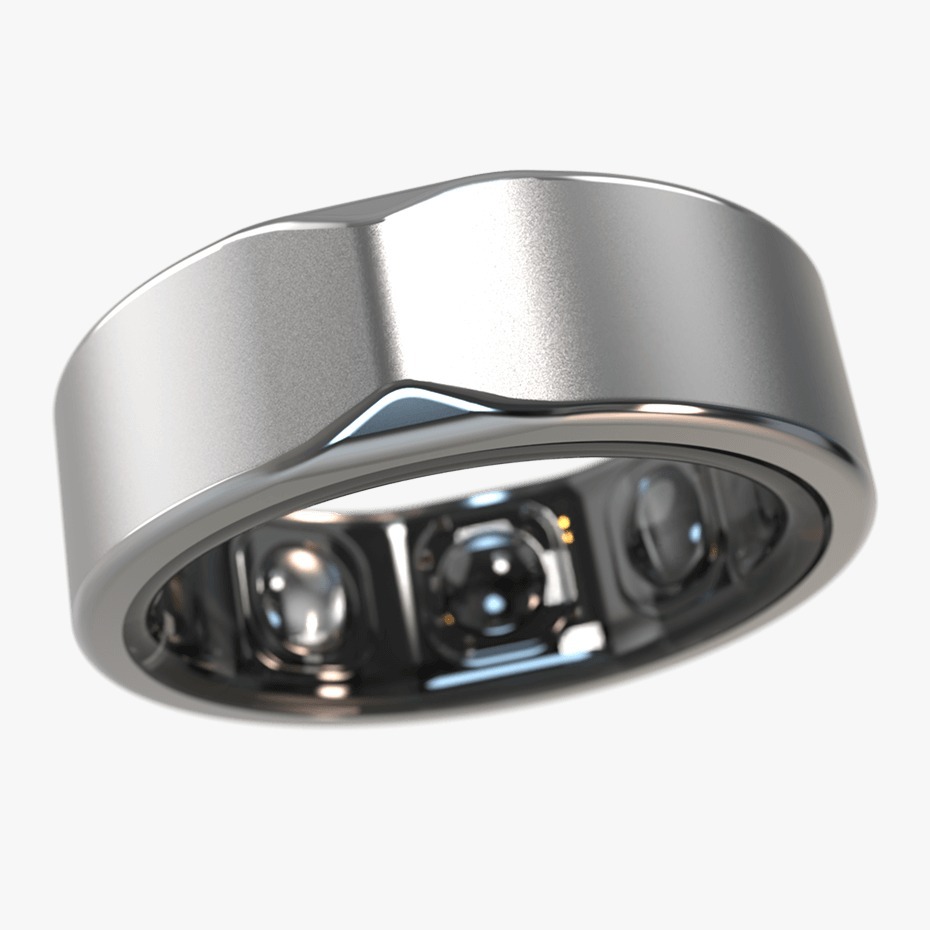
A health monitoring ring is quickly becoming one of the most convenient tools for tracking wellness in real time. Unlike bulky wearables, this compact device sits comfortably on your finger while collecting valuable health data throughout the day and night.
If you're considering a health monitoring ring, understanding how it works, what features matter, and how to choose the right one is essential before making a decision.
A health monitoring ring is a smart wearable designed to track key biometric data such as heart rate, sleep quality, activity levels, and sometimes even blood oxygen levels. It uses advanced sensors embedded inside a small ring, making it both discreet and practical for everyday use.
Many users prefer a health monitoring ring because it offers 24/7 tracking without the distraction of screens or notifications.
Wearable technology has evolved, and rings are now competing with smartwatches in accuracy and usability.
Unlike wrist devices, rings are lightweight and less intrusive, especially during sleep.
Since your finger provides stable blood flow signals, a health monitoring ring can deliver more accurate sleep insights compared to other wearables.
Most rings last several days on a single charge, making them ideal for continuous use.
Before buying, it's important to evaluate which features align with your health goals.
Look for rings with clinically tested sensors for reliable data tracking.
A good health monitoring ring should connect seamlessly with a mobile app that presents easy-to-understand insights.
Choose a ring that offers at least 4–7 days of battery life.
Water resistance and scratch-proof materials are essential for daily wear.
Advanced rings provide personalized health recommendations based on your data trends.
These devices are suitable for a wide range of users:
A health monitoring ring is especially helpful for those who want insights without constantly checking a device.
While these rings offer many benefits, they are not perfect.
Most rings do not have screens, so all data is viewed through an app.
Some brands require monthly subscriptions for advanced insights.
Proper fit is crucial for accurate readings, so sizing kits are often recommended.
When selecting a health monitoring ring, think beyond just price.
Taking the time to evaluate these factors will ensure you get the most value from your investment.
A health monitoring ring offers a modern, convenient way to stay informed about your body without interrupting your daily routine. With accurate tracking, sleek design, and long battery life, it’s becoming a top choice for people focused on wellness.
As wearable technology continues to evolve, platforms like bleo.ai are helping users explore smarter solutions for personal health tracking. If you're ready to upgrade your wellness routine, a health monitoring ring could be the perfect place to start—especially when supported by innovative ecosystems like bleo.ai that enhance your overall experience.
It tracks metrics like heart rate, sleep patterns, activity levels, and sometimes temperature and oxygen levels.
It depends on your needs. Rings are more comfortable and better for continuous tracking, while smartwatches offer more features and displays.
Most high-quality rings provide reliable data, especially for sleep and heart rate tracking.
Some brands offer basic features for free, while advanced insights may require a subscription.
Yes, they are designed for 24/7 wear, including during sleep and workouts.