Road systems move with a steady rhythm where vehicles cross paths, pause, and accelerate again. Within this movement, side impacts create a very different kind of interaction, one that connects directly with where a person is seated inside the vehicle. The position of the body at that point quietly shapes how force is received and how injuries begin to form. This connection between placement and outcome becomes important in understanding side-impact accident injuries, especially as cases move from immediate observation into structured evaluation. It sets the tone for how records are later read and how physical outcomes are interpreted over time.
The seat location creates the first layer of understanding. A person sitting closer to the point of impact experiences force differently from someone positioned further away. The distance from the door, the angle of the body, and the use of restraint systems all influence how energy travels through the body. These details may seem small at first, but they begin to define how injuries appear in records and how they are later connected to the event itself.
A side-impact collision does not keep the body still. There is a quick shift that takes place at the moment of contact, where the body moves toward or away from the impact side. This movement is brief, but it leaves a lasting mark on how injuries are formed.
These changes are not always recorded directly. Instead, they are understood later through the way injuries are distributed across the body. The connection between movement and injury becomes clearer during detailed review, even if it was not fully visible at the time of the incident.
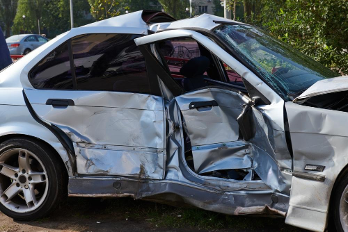
The structure of the vehicle plays a direct role in shaping how force is delivered to the occupant. Side panels, support beams, and safety systems respond differently depending on where the person is seated. This creates a layered interaction between external impact and internal positioning.
A door panel may absorb part of the force, but it can also become a point of contact that transfers energy into the body. Side pillars can create secondary contact areas, adding to the complexity of how injuries develop. Airbags and restraint systems interact with the body based on its position, sometimes reducing impact and sometimes changing how force is distributed.
This interaction between structure and position helps explain why two people in the same vehicle may experience very different outcomes from the same collision.
Medical records often show patterns that reflect where the person was seated, even if position is not directly mentioned. Injuries tend to follow the path of force, creating a link between physical placement and medical findings.
For example, injuries may appear more concentrated on one side of the body, matching the direction of impact. Internal injuries can reflect compression points where the body made contact with the vehicle. Differences between driver side and passenger side injuries can also point to how position influenced the outcome.
These patterns become important during case review, as they help connect the physical experience of the collision with the documented medical condition.
Injury-based claims are built from more than one type of record. Positional evidence is gathered from several sources, each adding a different piece to the overall picture.
Each of these sources carries its own perspective. Together, they create a layered understanding of how position influenced the outcome. The strength of a case often depends on how well these different records align with each other.
During claim evaluation, positional evidence becomes part of a broader effort to connect physical facts with legal interpretation. The focus shifts to understanding how placement inside the vehicle relates to the injuries that occurred and how those injuries connect to the event.
Rather than relying on a single detail, the review process brings together movement, structure, and medical findings. This combined view helps create a consistent reading of the incident, where position is not seen as an isolated factor but as part of a larger system of evidence.
Across side-impact collision cases, position works quietly in the background, shaping how events are understood from start to finish. It connects the moment of impact with the pattern of injuries and the structure of records that follow.
The final reading of side-impact accident injuries often depends on how clearly positional evidence fits within the larger set of documents. It allows the case to move beyond scattered observations and form a connected sequence that reflects both physical reality and recorded detail.