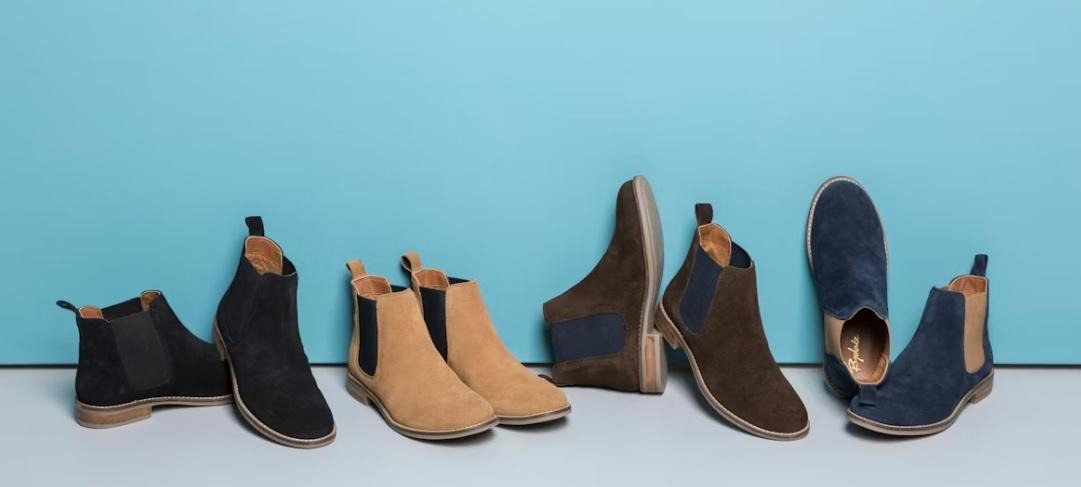
The idea that well-designed shoes must come at the expense of comfort - or vice versa - is a misconception the footwear industry has spent decades quietly dismantling.
For generations, the trade-off seemed unavoidable. Comfortable shoes were sensible, functional, and largely forgettable. Stylish shoes turned heads but punished the wearer by midday. The notion that these two qualities existed on opposite ends of a spectrum shaped purchasing decisions, wardrobe habits, and even professional dress codes for much of the twentieth century.
That relationship has fundamentally changed. The casual shoe market in particular has undergone a transformation driven by materials innovation, biomechanical research, and a cultural shift in what consumers expect from everyday footwear. Today, the most respected names in the industry are designing casual shoes that perform with the structural integrity of a sport shoe while maintaining the aesthetic of a refined wardrobe staple.
The result is a category that no longer asks its wearer to make a choice.
The turning point did not happen overnight. Through the 1990s and early 2000s, comfort footwear occupied a largely separate market - one associated with orthopaedic necessity rather than style aspiration. Brands serving this space were technically competent but rarely considered fashion-forward.
The shift accelerated as athletic footwear began crossing into everyday wear. As consumers grew accustomed to the cushioning and support of running shoes, their tolerance for discomfort in other footwear categories diminished. The casual shoe market had no choice but to respond.
Simultaneously, European manufacturers - particularly those with roots in leather craftsmanship - began integrating comfort technologies directly into their traditional designs. The result was a new class of casual shoe that carried the visual language of quality leather goods while delivering an underfoot experience closer to athletic footwear.
The convergence of comfort and style in modern casual shoes is not accidental. It is the product of specific engineering advances that have become industry standard across reputable brands.
Memory foam insoles, popularised in part by Skechers, changed expectations around what a casual shoe could feel like from the inside. The material conforms to the shape of the individual foot, distributing pressure evenly and reducing fatigue during extended wear.
More recently, responsive foam technologies - which return energy to the foot rather than simply absorbing it - have been integrated into casual styles that offer no outward sign of their technical construction. The shoe looks clean and minimal; the experience of wearing it is anything but ordinary.
Arch support was once the exclusive domain of medical footwear or visible orthotic inserts. It is now a standard feature in casual shoes from brands including Vionic, Scholl Orthaheel, and Clarks.
Vionic, in particular, built its entire brand identity around this premise - producing casual shoes with a built-in Orthaheel technology that aligns the foot from the ground up. The shoes are designed in collaboration with podiatrists and are frequently recommended for people with plantar fasciitis, flat feet, or general lower limb fatigue.
The visual outcome is indistinguishable from any other well-made casual shoe. The functional difference, for someone who spends eight or more hours on their feet, is significant.
Weight is one of the most underappreciated factors in footwear comfort. A shoe that feels fine in a shop can become a burden after several hours of continuous wear. Modern casual shoes increasingly use lightweight synthetic materials, open-cell foam compounds, and minimalist sole constructions that reduce overall weight without compromising durability or support.
Brands such as Merrell and ECCO have applied lessons learned in their performance footwear ranges to their casual lines, producing shoes that feel notably lighter than their appearance suggests.
Rigid soles that resist the natural flex of the foot force the muscles and tendons of the lower limb to work harder with each step. A well-designed casual shoe incorporates an outsole that bends at the forefoot in alignment with the foot's natural gait - reducing muscular effort and improving overall comfort over long periods.
The functional advances described above would be largely irrelevant if the shoes carrying them were unattractive. What has made the modern casual shoe category genuinely compelling is that the aesthetic quality has kept pace with the technical development.
Clean leather uppers, considered colour palettes, and refined silhouettes now characterise brands that were previously associated purely with comfort. Hush Puppies, once perceived as a sensible but uninspiring option, has consistently updated its designs to reflect contemporary casual aesthetics without abandoning the cushioned construction that made it a trusted name.
Similarly, Clarks - a brand with nearly two centuries of shoemaking history - has continued to produce styles that sit comfortably within a modern wardrobe while retaining the structured support and quality leather materials for which it has long been known.
The European market has contributed significantly to this aesthetic elevation. Brands such as Cabello Comfort, Orizonte, and Rieker have introduced casual shoes that draw on continental craft traditions - close-grain leathers, hand-finished edges, thoughtful last shapes - while incorporating comfort technologies that make them viable for all-day wear.
Retailers such as Brand House Direct have responded to this convergence by stocking an extensive range of casual footwear that spans both comfort-first and style-forward options, reflecting a market in which the two are increasingly difficult to separate.
Beyond aesthetics and comfort, there is a straightforward practical argument for choosing well-made casual shoes over cheaper alternatives.
A quality casual shoe, properly maintained, will outlast several pairs of lower-priced footwear. The materials used - full-grain leather, robust rubber outsoles, reinforced stitching - are selected for durability as well as appearance. The cost-per-wear calculation frequently favours the more expensive option when considered over two or three years of regular use.
There is also a wellbeing argument. Foot discomfort is not a trivial inconvenience. Poorly supported feet contribute to knee, hip, and lower back pain - conditions that have a measurable impact on energy levels, productivity, and quality of life. Footwear that supports the foot correctly reduces the cumulative stress placed on these joints over the course of years of daily wear.
Given the range of options now available, selecting a casual shoe that genuinely delivers on both comfort and style requires some informed decision-making.
Consider the occasion first. A shoe intended for weekend errands has different requirements than one expected to work in a smart-casual office environment. Width, heel height, and closure type all affect both the look and the functionality of the shoe for a given context.
Prioritise fit over appearance. The best-designed shoe will underperform if it does not fit correctly. Feet vary considerably in width, volume, and arch height, and the most flattering silhouette is meaningless if the shoe causes discomfort within an hour of wear.
Look for structural features, not marketing language. Terms such as "cushioned" and "supportive" are used loosely across the industry. Consumers are better served by looking for specific technologies - contoured footbeds, removable insoles, EVA midsoles - that indicate genuine engineering rather than surface-level claims.
Test for flexibility. Bending the forefoot of a shoe by hand before purchase gives a reliable indication of how it will respond to the natural movement of the foot. A sole that resists this movement will make itself felt within hours of extended wear.
The casual shoe market of 2025 looks nothing like it did twenty years ago. The idea that comfort and style occupy opposing positions on a spectrum has been rendered obsolete by a generation of designers, engineers, and brands who refused to accept the limitation.
For consumers, the practical implication is straightforward: there is no longer a meaningful reason to choose between a shoe that looks good and one that feels good. The two qualities have converged - and the market has followed.
Those with existing foot conditions or gait concerns are advised to seek guidance from a podiatrist before selecting casual footwear for extended daily wear.