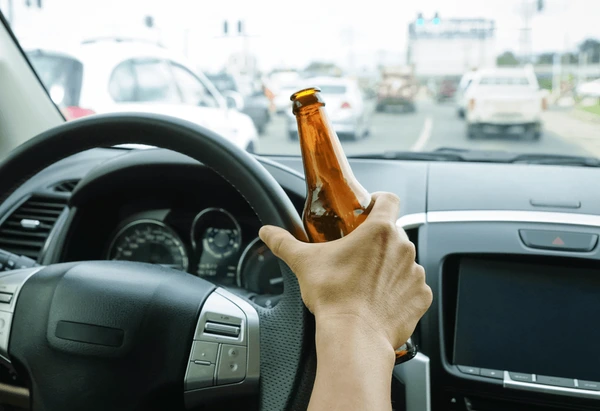
Impaired driving puts every person on the road at risk, not just the driver who is under the influence. It reduces reaction time, distorts judgment, and impairs the ability to control a vehicle, making crashes more likely and more severe. Passengers, pedestrians, cyclists, and other motorists bear the consequences of choices they had no part in making.
In 2023, 12,429 people were killed in alcohol-impaired driving crashes in the United States, about one death every 42 minutes. Impaired driving also carries enormous financial costs, with crashes estimated to cost the country $68.9 billion annually. DUI accidents affect not just the people in the vehicles involved but entire families, communities, and the broader public health system.
Here’s a closer look at how impaired driving creates harm far beyond the individual driver.
Alcohol impairs the brain’s ability to process information, slows reaction time, and reduces coordination, all of which are essential to safe driving. NHTSA reports that drivers with a BAC of .08 are approximately four times more likely to crash than sober drivers, and at .15 BAC, the crash risk is at least 12 times higher.
Even lower BAC levels affect driving ability. Impairment begins before a driver reaches the legal limit, affecting vision, divided attention, and the ability to respond to sudden hazards on the road.
Most people killed in impaired driving crashes are not the drunk driver. Passengers, pedestrians, cyclists, and occupants of other vehicles make up the majority of fatalities.
Children are especially vulnerable. In 2023, 25% of children aged 14 and younger killed in traffic crashes died in drunk-driving crashes, and in more than half of those cases, the child was in the same vehicle as the impaired driver.
Impaired driving crashes strain emergency services, hospitals, and the justice system. They result in lost wages, long-term medical costs, and grief that can last for years beyond the incident itself.
Survivors of these crashes often face lasting physical and psychological injuries. Traumatic brain injuries, spinal damage, and post-traumatic stress are common outcomes in high-speed impaired driving collisions.
An impaired driver who causes a crash can face both criminal charges and civil liability. Negligence requires proving duty, breach, causation, and damages, all of which are typically straightforward when a driver is legally intoxicated at the time of a crash.
In some states, courts may also award punitive damages in DUI injury cases. These go beyond standard compensation and are intended to punish especially reckless conduct and deter future behavior.
If you were injured by an impaired driver, you have the right to pursue compensation for medical expenses, lost income, pain and suffering, and other losses. A police report, toxicology results, and any prior DUI convictions all strengthen your claim.
Act quickly after a crash. Evidence can fade, and legal deadlines vary by state. Speaking with an attorney early helps you understand your options and avoid mistakes that could limit what you recover.