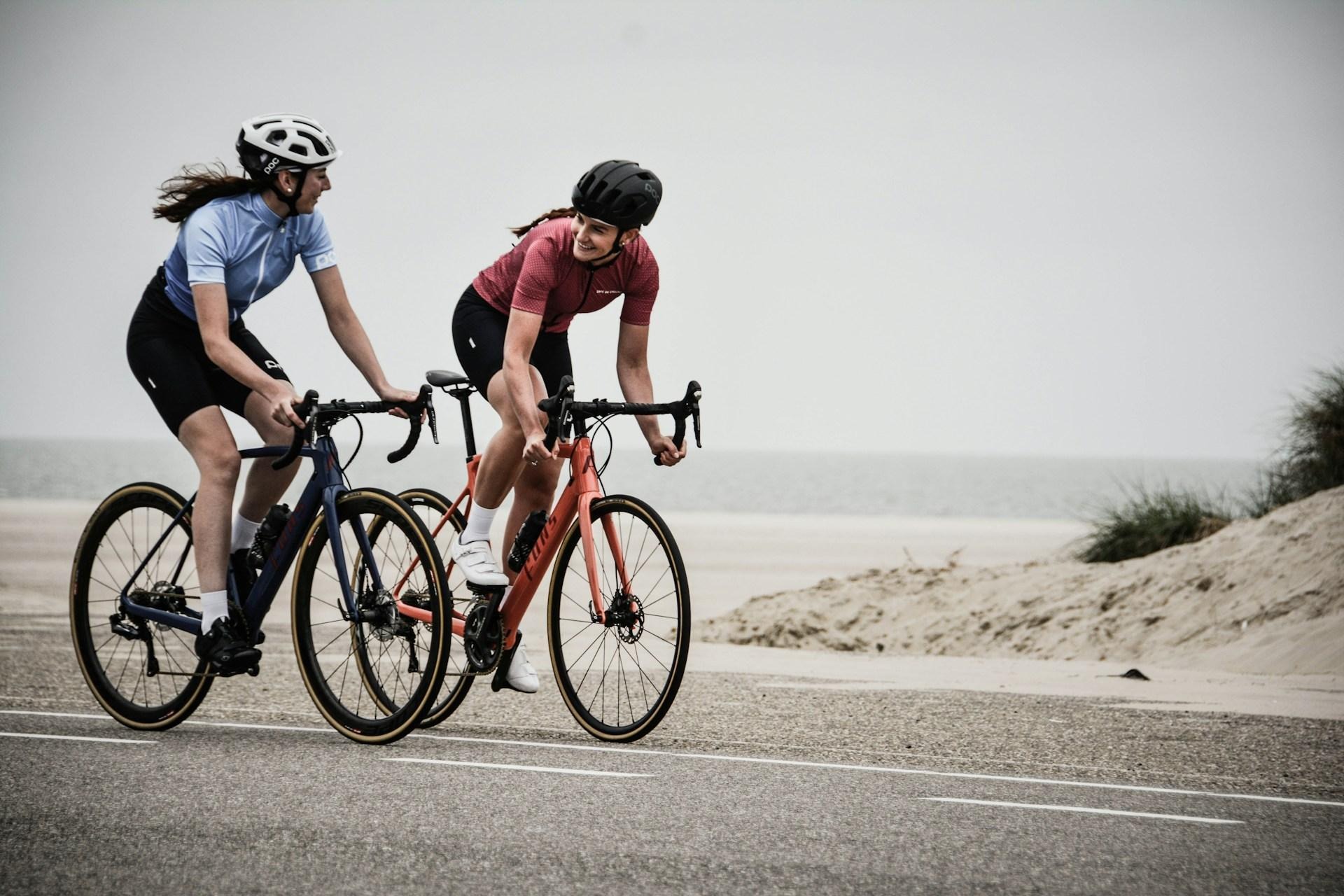
Riding next to parked cars can seem like the safest move. It creates space from faster traffic and feels like the natural line to take, especially on narrow streets. After a while, most cyclists stop thinking about it and just ride there by default.
What gets overlooked is how much uncertainty sits in that narrow stretch of pavement. Parked cars may look inactive, but they can change the situation in an instant. A door opens, a passenger steps out, and a routine ride suddenly becomes something else.
For many cyclists, staying close to parked cars feels like the most predictable way to move through traffic. It creates space from passing vehicles and helps maintain a steady line, particularly on roads without bike lanes. In quiet neighborhoods and busier commercial areas alike, that habit can form quickly.
There is also a certain logic to it. Traffic moves on one side, parked cars sit on the other, and the path ahead seems easy to follow. Over time, that pattern can feel like the safest option available.
The problem is that this sense of control depends on things a cyclist cannot fully manage. Parked cars are not just background noise. They are part of a live environment shaped by people arriving, leaving, shifting in their seats, and making quick choices without much warning.
Parked cars bring a level of unpredictability that is easy to underestimate. From a distance, they seem still. Up close, each one can become active without warning. A driver returning to the car, a passenger reaching for the handle, or someone stepping out from the curb can change everything in a second.
Visibility is one of the biggest issues. Cyclists often cannot see clearly into parked vehicles, especially when sunlight hits the windows or the glass is tinted. Drivers may not check for an approaching bike before opening a door. That brief lapse in awareness leaves almost no time to react.
Space makes the problem worse. Riding too close to parked cars leaves very little margin for error. A small movement can force a cyclist to brake hard or swerve into traffic. On narrow streets, there is rarely a clean escape.
These crashes often happen with almost no warning. A cyclist moves along a familiar stretch of road at a steady pace, and then a car door swings open directly into the lane. With only a split second to respond, there may be no safe way to slow down or change course.
Sometimes the cyclist hits the door head-on. In other cases, the rider avoids the door but loses control trying to get around it. That can lead to a hard fall or a dangerous swerve into moving traffic. Either way, an ordinary trip can turn serious very quickly.
That is what makes these incidents so dangerous. There is usually no buildup and no obvious signal that the situation is about to change. One moment, the road feels manageable. The next, the rider reacts to a hazard that appears out of nowhere.
In southeastern Pennsylvania, including Montgomery County and nearby communities, cyclists and drivers often share roads lined with curbside parking. Those streets may not feel as intense as major urban corridors, but the same risk remains. Limited space, restricted sightlines, and sudden movement from parked vehicles can create the same kind of split-second danger.
In Illinois, especially in and around Chicago, dense traffic, curbside parking, and regular bike travel make these incidents a more familiar part of the broader street-safety conversation. People facing unclear injuries or disputed fault may turn to an attorney for bike dooring injury claims when they are still trying to make sense of who is at fault and what comes next.
Other states can look different on the surface. Parts of California, for example, have added protected lanes and rider-focused street design, which can reduce how often these close calls occur in some areas. Even so, the basic problem stays the same. A parked car can go from harmless to hazardous in a single moment.
Door-related crashes may seem sudden, but they usually happen when awareness breaks down on one side or the other. A driver may be focused on traffic and forget to check for a bike coming up from behind. A cyclist may ride closer to parked vehicles than intended without realizing how little time there would be to react if a door opens.
That is one reason these crashes are often preventable. A glance before opening a door can make a real difference. So can noticing signs of movement around a parked car, whether that means brake lights, a recent arrival, or someone shifting inside the vehicle. Guidance such as these tips for riding near parked cars and outside the door zone reinforces how much small habits can reduce the risk of a serious collision.
On streets with limited space, those habits matter even more. Drivers and cyclists do not need perfect timing every time, but they do need to treat parked cars as part of an active traffic environment rather than a row of fixed objects.
Riding near parked cars does not have to mean accepting unnecessary risk. Small changes in position and awareness can create more time and space to respond when something changes unexpectedly. Even moving slightly farther from parked vehicles can improve visibility and lower the chance of being caught off guard.
It also helps to watch for subtle cues. A recently parked car, illuminated brake lights, or movement inside the vehicle can all suggest that a door may open. Slowing down in those moments gives cyclists more control and a better chance to respond safely.
Consistency matters here. Scanning ahead, adjusting position, and anticipating movement are simple habits, but they become far more effective when repeated often. Over time, those choices can make everyday riding feel more predictable, even on streets where parked cars are part of the landscape.
The most familiar routes are often the ones people think about the least. Daily commutes and short neighborhood rides can feel routine, especially on streets that don't seem particularly busy. That sense of familiarity can make it easier to miss how quickly conditions can shift around parked vehicles.
Staying alert does not mean riding with constant tension. It means knowing when a situation deserves a closer look. A row of cars outside a busy storefront, a residential block in the evening, or a vehicle that has just pulled in can all signal a higher chance of movement. Adjusting speed or road position in those moments can make a noticeable difference.
That same idea comes through in local reporting on bicycle crashes, including coverage of overlooked details that can matter after a bike accident. The setting may seem ordinary, but even ordinary places can become risky when attention slips for even a moment.
Riding near parked cars is part of everyday cycling in many communities, and it often feels like the most natural place to be. What tends to go unnoticed is how quickly a normal stretch of road can change when one of those vehicles stops being just another object at the curb. A single open door can turn a routine ride into a crash with lasting consequences.
Awareness, positioning, and a few small adjustments can go a long way toward reducing that risk. When cyclists and drivers both stay alert around parked vehicles, shared road space becomes more predictable and safer for everyone using it.