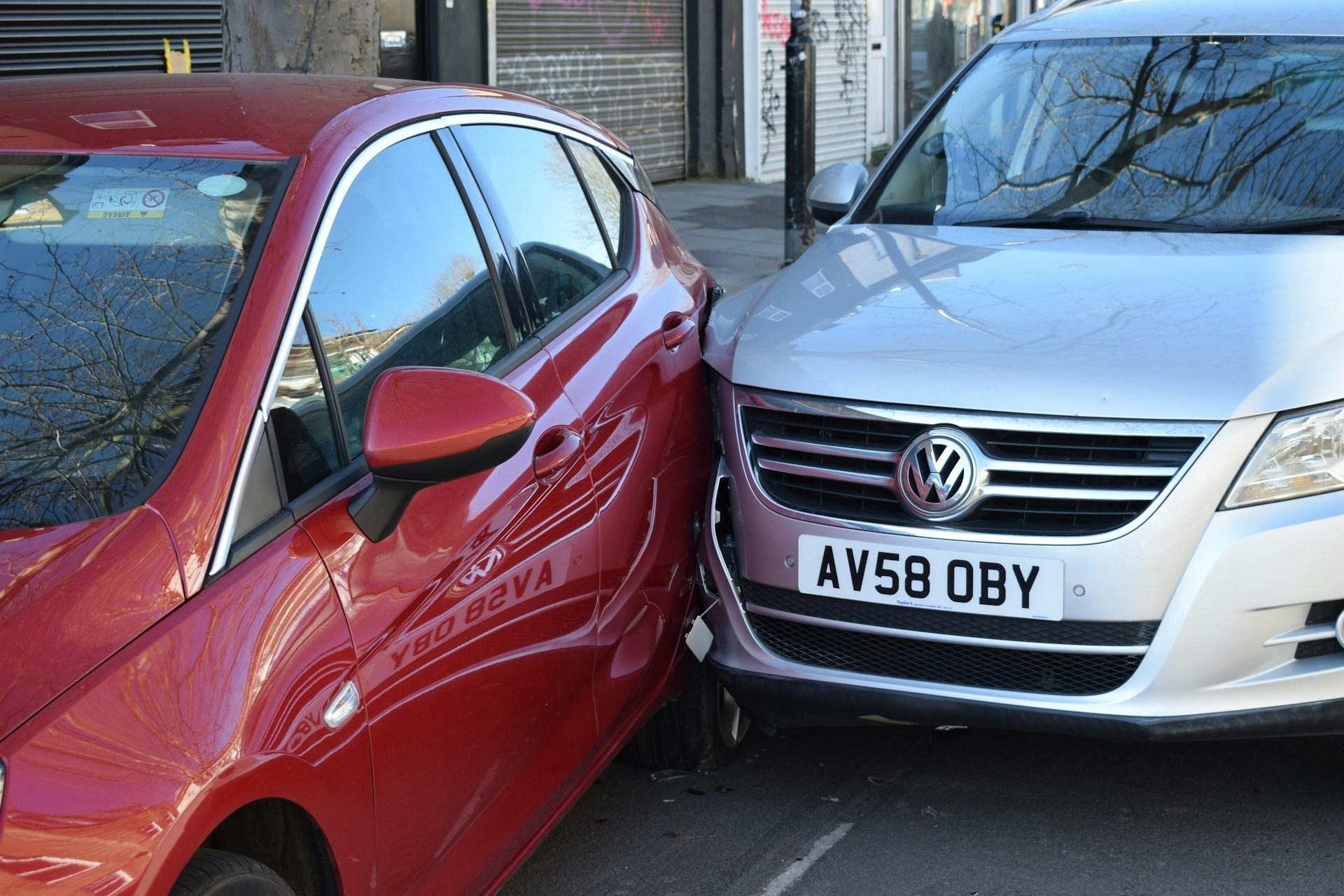
There's no question that hit-and-run accidents are frustrating.
Unlike normal collisions that leave the victim with an injury and a damaged vehicle, a hit-and-run accident leaves victims with a sense of uncertainty; it leaves them not knowing who will be held responsible and how the incident will be dealt with. There is no question that hit-and-run incidents are serious, and that is why every state takes them with equal gravity.
With that said, dealing with these types of incidents isn't the same when different states are concerned.
Jurisdiction matters. A lot.
Each of the two states we’re using in this comparison (Illinois and Pennsylvania) deals with these issues in its own way.
Is one better than the other?
Keep on reading and then decide for yourself.
In both Illinois and Pennsylvania, a hit-and-run accident occurs when a driver who is involved doesn't stop, provide their identification, or offer help, depending on whether any injuries occurred.
This involves:
Leaving the scene is considered a criminal offense in both states. This is even more of a case when injuries are involved. Financial reparations for victims depend on what sort of insurance systems the states have in place.
The way any accident is handled, pretty much anywhere, will be similar. But there still are some important differences depending on the jurisdiction where the hit-and-run accident happened.
Illinois has a fault-based insurance model. In this model, drivers are responsible for causing the crash, and they are financially liable for it.
If a hit-and-run driver is identified, their insurance can cover:
When the driver cannot be found, and this tends to happen frequently, victims rely on uninsured motorist coverage that is included in many policies.
Because liability is of utmost importance in Illinois, investigations and evidence collection often play a big role after the crash has occurred.
Pennsylvania operates under something called a no-fault system.
Drivers select one of the following:
Under no-fault, injured drivers go to their insurance for medical bills regardless of who caused the accident. This approach can help speed up payments, but it may also limit the ability to pursue certain damages unless some serious injuries have happened in the accident.
In hit-and-run situations (in PA), injury protection benefits typically provide immediate financial relief while the investigation is still happening.
Again, the consequences of leaving the scene of a hit and run accident differ based on where the accident happened.
Leaving the scene of a hit-and-run accident where injuries have occurred may lead to serious charges. Not only that, but the guilty party may have their license suspended, may be fined, and there is even a chance of imprisonment depending on the situation.
The severity of these consequences increases with the severity of the injuries.
In Pennsylvania, hit-and-run incidents are being treated as serious criminal offenses.
This means that drivers may face a wide array of charges, such as misdemeanor or felony charges. Depending on the crash, they may also have their license suspended or even face the possibility of time in jail. Criminal penalties were designed not to punish, but to discourage such behavior (or at least raise awareness about it); they don’t automatically compensate victims.
And this is also why insurance coverage is important.
Because legal procedures differ across state lines, legal guidance is (generally) extremely important during any (but especially during serious) crashes.
If you get legal help after a hit-and-run crash in Chicago (IL), your lawyer will go over the lawsuit limitations under Illinois law (e.g., you can pursue full damages against an identified driver) and they’ll explain to you what Modified comparative fault (51% bar) means both in legal terms and in real-world terms and how that applies to the accident you’ve experienced.
If the accident were to happen in Harrisburg, then the PA-based lawyer will tell you about limited tort and what it means, plus they’ll go over what a ‘no-fault’ system means and how that applies to your situation.
Illinois has fault and liability investigations, while Pennsylvania is more focused on quicker medical coverage via its no-fault framework, and simply knowing about these distinctions before an accident occurs makes all the difference in dealing with these incidents.
Collision accidents are a problem, but hit-and-run accidents are even more of an issue.
They not only cause additional costs to the state but also involve a lot of people, like the police and insurance agents, and they also create psychological issues for the victim. And they pose significant issues to the perpetrator as well.
Doing so, they exponentially broaden the problem that could have been solved in a much simpler, cheaper, and satisfactory way.