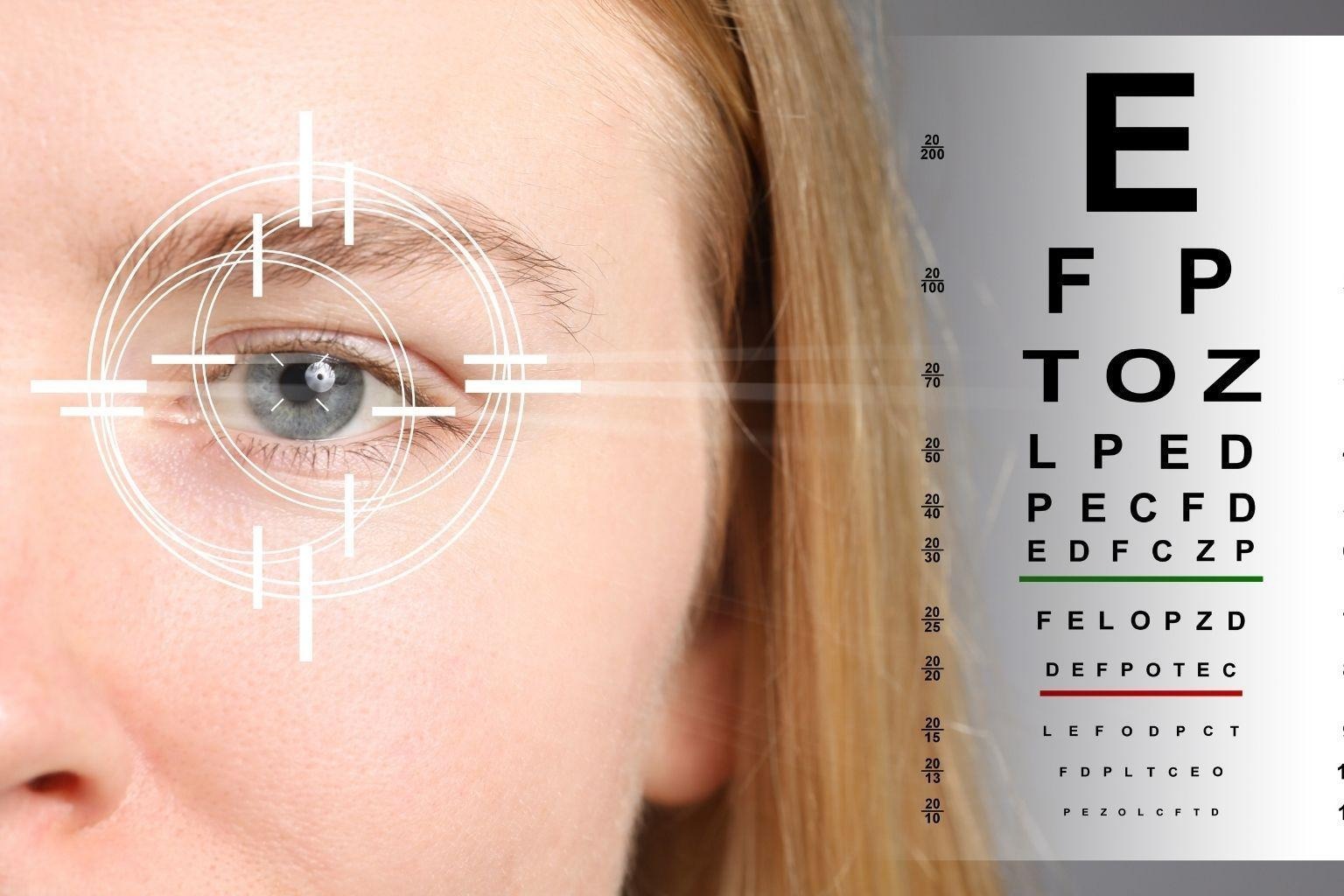
For most of us, clear vision feels like a given. We rely on our eyes from the moment we wake up: checking our phones, driving to work, reading emails, and helping kids with homework. Yet eye health rarely gets the same attention as diet, exercise, or sleep. It’s often only when discomfort sets in, or vision begins to change, that we stop and take notice.
But modern life is placing increasing strain on our eyes in ways previous generations never experienced. The question is no longer whether our habits affect our vision; it’s whether we’re paying enough attention to the warning signs.
The average adult now spends several hours a day looking at screens. Between smartphones, laptops, and televisions, our eyes are constantly adjusting to artificial light, close-up focus, and reduced blinking.
According to the American Optometric Association and other optometric bodies, prolonged screen use can lead to digital eye strain, a condition characterized by dryness, blurred vision, headaches, and neck or shoulder pain. While these symptoms may seem minor at first, they can become persistent over time.
What makes this especially concerning is how normalized these symptoms have become. Many people assume tired eyes are simply part of a busy day, rather than a sign that something needs to change.
While screen time is a major factor, it’s not the only one. Several everyday habits contribute to declining eye health:
Your eyes rely on a steady supply of nutrients to function properly. Vitamins such as A, C, and E, along with minerals such as zinc, and compounds such as lutein and zeaxanthin, are integral to maintaining vision.
Yet modern diets, often high in processed foods, don’t always provide these nutrients in sufficient amounts.
Research, including the AREDS trials supported by the National Eye Institute, has shown that a diet rich in antioxidants, such as vitamins C and E, beta‑carotene, zinc, lutein, and zeaxanthin, can help reduce the risk or progression of age‑related macular degeneration.
More recent work, such as Wu et al. (2015) in Nutrients, has reinforced that higher dietary intake of antioxidants is associated with lower AMD risk
This growing awareness has led some individuals to explore targeted eye‑health supplements, which should complement a balanced, nutrient‑rich diet. Always consult a healthcare provider before starting any new supplement regimen. For example, options like those available to shop Fenix Health Science are increasingly part of broader conversations around preventative wellness, though they should complement, not replace, a balanced diet.
Many people only visit an eye care professional when they notice a problem. However, routine eye exams can detect issues early, even before symptoms appear.
Conditions like glaucoma, for instance, can develop gradually without noticeable warning signs until significant vision loss has occurred.
The Centers for Disease Control and Prevention (CDC) emphasizes that early detection is key in preventing or slowing many eye diseases. Yet millions of adults skip regular check-ups altogether.
Sleep is essential for overall health, including eye function. During sleep, the eyes recover from daily strain, replenish moisture, and reset.
Chronic sleep deprivation has been linked to symptoms such as eye twitching, dryness, and blurred vision. Over time, it may also contribute to more serious issues.
Air conditioning, heating, pollution, and even prolonged exposure to sunlight can impact eye comfort and health.
Dry indoor air, for example, can accelerate tear evaporation, leading to dry eye syndrome. Meanwhile, unprotected exposure to UV rays has been associated with cataracts and other long-term damage.
Despite the evidence, eye health often remains low on the priority list. There are a few reasons for this:
The good news is that supporting eye health doesn’t require drastic changes. Small, consistent habits can have a meaningful impact over time.
Every 20 minutes, look at something 20 feet away for at least 20 seconds. This simple practice helps reduce eye strain caused by prolonged focus on screens.
Studies show that people blink less frequently when using digital devices. Making a conscious effort to blink more often can help keep the eyes hydrated.
Position screens at eye level, reduce glare, and ensure proper lighting in your workspace. Even minor adjustments can reduce strain.
UV protection isn’t just about comfort—it’s about long-term eye health. Look for sunglasses that block 100% of UVA and UVB rays.
Leafy greens, carrots, citrus fruits, nuts, and fish rich in omega-3 fatty acids all support eye health. Consistency matters more than perfection.
For communities like those served by NorthPennNow.com, these issues are especially relevant. Students, professionals, and families alike are spending more time on screens than ever before, whether for work, education, or entertainment.
Children are being introduced to digital devices at younger ages, while adults are navigating increasingly screen-heavy work environments. At the same time, busy schedules can make it easy to delay check-ups or overlook subtle symptoms.
Addressing eye health at a community level means raising awareness and encouraging simple, practical steps that fit into everyday life.
It’s worth asking an honest question: if something as essential as vision can be affected by daily habits, why don’t we talk about it more?
Perhaps it’s because the changes are gradual. Perhaps it’s because the solutions seem too simple to matter. Or perhaps it’s because eye health doesn’t feel urgent, until it is.
But the reality is that our eyes are working harder than ever before. And like any part of the body, they need care, attention, and support.
Eye health preserves your vision for the future. The habits we build now, from screen use to nutrition to regular check-ups, can shape how well we see in the years ahead.
The good news is that awareness is growing. More people are beginning to recognize the connection between daily choices and long-term vision. And with that awareness comes the opportunity to make small, meaningful changes.
Taking care of your eyes doesn’t require perfection. It simply requires paying attention—and not taking something as important as vision for granted.
Wu, J. et al. (2015). Dietary antioxidants and risk of age-related macular degeneration. Nutrients