Streetwear has evolved far beyond its origins as casual urban clothing. What began as a blend of skate culture, hip hop, and underground fashion has now become a global force that influences mainstream style. Yet one of the most important shifts in recent years is not just about design or trends. It is about emotion.
Modern streetwear is increasingly driven by emotional branding. Consumers are no longer satisfied with clothing that simply looks good. They want pieces that reflect their mindset, experiences, and identity. This shift has opened the door for brands that understand how to connect with audiences on a deeper level.
A great example of this new direction can be seen in collections like dandy hats, where design choices often reflect themes of individuality, mood, and cultural influence rather than just aesthetics.
For decades, fashion was largely aspirational. Brands sold an ideal lifestyle that people wanted to achieve. Luxury brands focused on status, while sportswear emphasized performance.
Streetwear changed that model by focusing on authenticity. Now, emotional branding is taking things even further. Instead of selling a dream, brands are reflecting real feelings and lived experiences.
This shift is especially relevant for younger audiences. Gen Z consumers value honesty and relatability. They are drawn to brands that acknowledge both the highs and lows of life.
Emotional branding in streetwear involves creating designs and messages that resonate on a personal level. It can take many forms:
Unlike traditional branding, which focuses on logos and recognition, emotional branding focuses on connection.
There are several reasons why emotional branding is so effective in today’s fashion landscape.
When someone wears a piece that reflects their emotions, it becomes more than clothing. It becomes part of their identity.
Customers are more likely to support brands that they feel understand them. This leads to repeat purchases and long term loyalty.
With so many brands competing for attention, emotional messaging helps create a unique identity.
Music has played a major role in the rise of emotional branding. Many artists openly express vulnerability in their lyrics, which resonates with listeners.
This emotional openness has influenced fashion as well. Fans want clothing that reflects the same themes they hear in music.
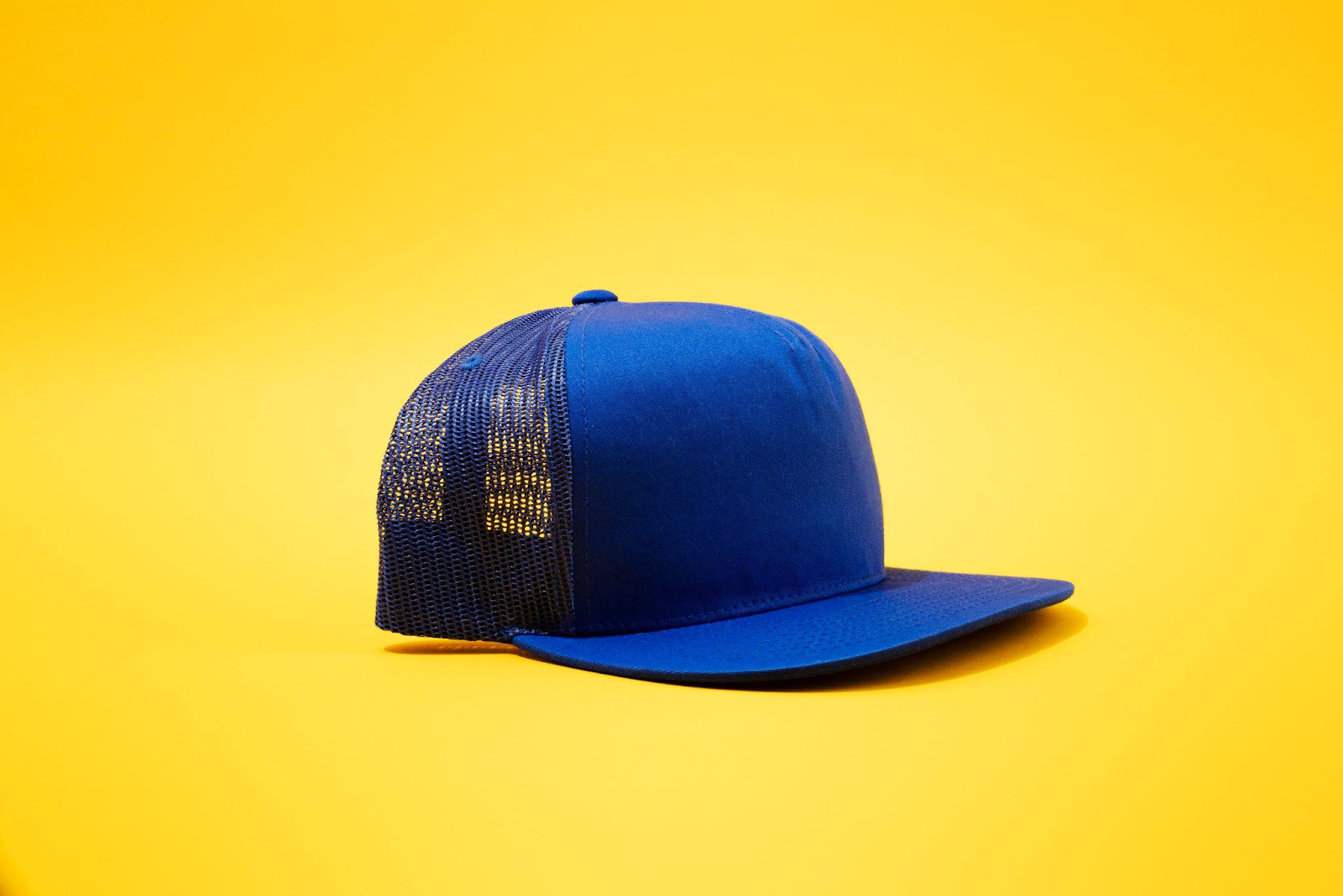
Caps and other accessories have become key platforms for this expression. Their visibility makes them ideal for conveying messages.
One example of this trend is the growing popularity of designs like gorra sad boyz, which tap into themes of emotion, introspection, and identity. These types of pieces connect with audiences because they feel genuine rather than manufactured.
One interesting aspect of emotional branding is that it often relies on simple design elements. A short phrase or a minimal graphic can have a strong impact if it is meaningful.
This simplicity makes the message easier to understand and remember. It also allows the wearer to project their own interpretation onto the design.
In many cases, less is more. A clean cap with a powerful message can be more effective than a complex design.
Streetwear has always been a way to communicate without speaking. Emotional branding takes this concept to the next level.
When someone wears a cap with a specific phrase or symbol, they are sharing something about themselves. It could be their mood, their mindset, or their personal experiences.
This form of communication is especially important in a digital world where much of our interaction happens online. Clothing becomes a way to express authenticity in real life.
Emotional branding also helps create communities. When people connect with the same message or theme, they feel a sense of belonging.
This is one of the reasons why certain designs become so popular. They act as a shared symbol for a group of people who relate to the same ideas.
Streetwear brands that successfully build these communities often see strong engagement both online and offline.
Scarcity plays an important role in streetwear, but it becomes even more powerful when combined with emotional branding.
A limited release that carries a meaningful message feels more valuable than a mass produced item. It becomes something special that people want to own and keep.
This combination of exclusivity and emotional connection is one of the key drivers of modern streetwear success.
Today’s consumers expect more from brands. They want transparency, authenticity, and meaning.
This has forced brands to rethink their approach. Instead of focusing solely on aesthetics, they need to consider how their products make people feel.
Emotional branding is not just a trend. It reflects a broader shift in consumer behavior.
While emotional branding offers many benefits, it also comes with challenges.
If a brand tries to force emotional messaging without a genuine connection, it can feel inauthentic. This can damage credibility.
It is important to ensure that emotional messaging does not overshadow design quality. Both elements need to work together.
If every product focuses on similar themes, it can lose impact. Variety is important to keep things fresh.
Looking ahead, emotional branding is likely to become even more important. As fashion continues to evolve, the focus will shift further toward personal expression.
We can expect to see:
Caps will continue to play a central role in this movement because of their versatility and visibility.
The rise of emotional branding represents a significant shift in streetwear. It shows that fashion is no longer just about appearance. It is about connection, identity, and meaning.
Caps have become one of the most effective ways to express these ideas. Their simplicity allows for powerful messaging, while their popularity ensures that those messages are seen.
As consumers continue to seek authenticity and self expression, emotional branding will remain at the forefront of streetwear. Brands that understand this shift will be well positioned to succeed in the years ahead.
In the end, what people wear is a reflection of who they are. Emotional streetwear makes that reflection more honest, more personal, and more impactful.