Wellness routines rarely fail because people do not know what to do. They fail because the behavior does not fit the day. You can understand hydration, sleep hygiene, or step counts perfectly and still forget, postpone, or abandon the habit the moment your schedule gets busy. That gap between intention and action is where “wellness objects” come in.
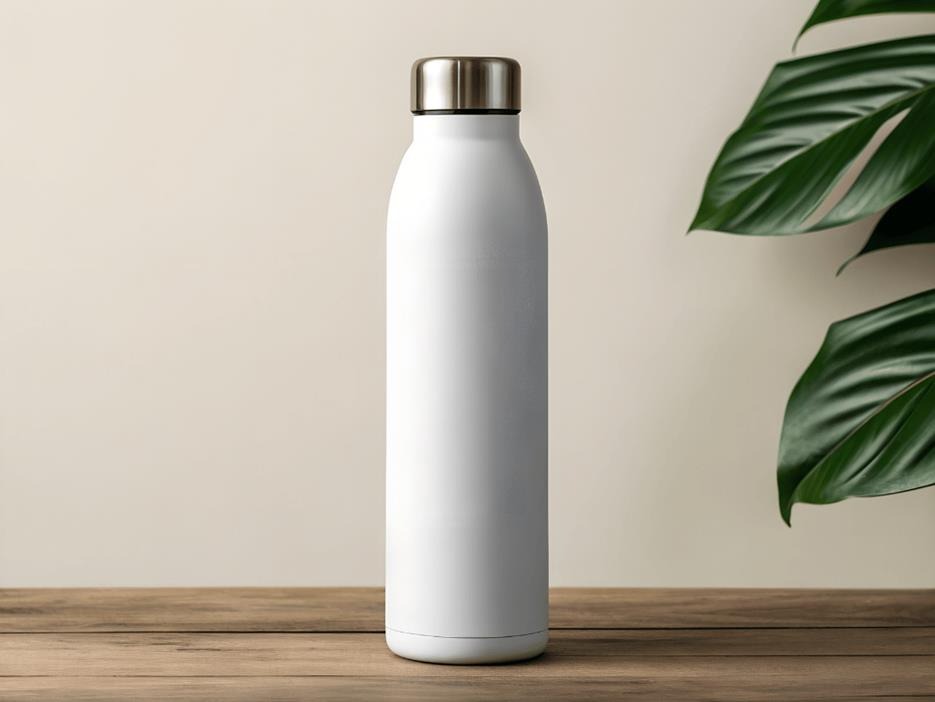
A bottle on your desk, a pair of shoes by the door, or a journal on your pillow are not just tools. They are cues that shape decisions without requiring motivation on demand. That is why some people choose an energy water bottle as a physical anchor for hydration: not because a bottle magically creates discipline, but because objects can change what you notice, what you remember, and what feels easy to do next.
This article breaks down the psychology behind wellness objects and shows how to use a bottle as a practical behavior cue, without turning hydration into a complicated project.
Goals live in your head. Objects live in your environment. And your environment has a quiet, constant influence on what you do.
Willpower is finite, especially late in the day. When an object makes the healthy choice the easiest choice, you rely less on motivation. If the bottle is already filled and within reach, drinking water becomes a default action rather than a decision you have to “win” repeatedly.
Many habits fail because they are invisible. You do not forget water because you do not care. You forget because nothing in your environment keeps it top-of-mind. A bottle in your line of sight is a reminder you do not have to think about.
Behavior change is often about adding friction to unwanted behaviors and removing friction from wanted ones. If your phone is within reach but your bottle is across the room, scrolling wins. If the bottle is closer, hydration wins more often.
A habit is not just repetition. It’s usually a loop:
● Cue: something triggers a behavior
● Routine: the behavior itself
● Reward: a payoff that reinforces repeating it
A bottle can function as a cue in multiple ways:
● Visual cue: you see it and remember to sip
● Tactile cue: you touch it and the action follows
● Context cue: it “belongs” to your desk, gym bag, or car, so the behavior follows the setting
The reward does not have to be dramatic. It can be a small sense of completion, a clearer mouth feel, fewer headaches, or the satisfying checkmark of finishing a daily target.
People often dismiss this as aesthetics, but meaning is one of the strongest forms of motivation.
Objects can reinforce identity-based habits. When you think “I’m someone who takes care of my energy,” a bottle becomes a symbol of that identity. The behavior becomes self-consistent rather than forced.
Rituals calm the nervous system because they reduce uncertainty. A simple ritual like filling the bottle after breakfast creates a predictable pattern that removes decision fatigue.
If you like how an object looks and feels, you touch it more. You keep it nearby. You bring it with you. That increases exposure to the cue, which increases the habit.
This is not vanity. It is design psychology.
Hydration is a frequent, low-effort behavior. That makes it ideal for cue-based habit design.
● It needs multiple repetitions per day
● It can be triggered by simple cues
● It has immediate feedback (dry mouth, energy dips, headaches, concentration)
● It fits in nearly any routine without special equipment
In other words, if you can make hydration automatic, you practice the same habit mechanics that later make other routines easier (sleep routines, movement, meal planning).
The bottle itself is not the habit. The setup is the habit.
Pick the one place where the bottle should live when you are home:
● Desk
● Kitchen counter near the coffee machine
● Nightstand (if you wake thirsty)
● By the front door next to keys
This reduces the “Where is it?” problem, which is a hidden source of habit failure.
Habit stacking works because you piggyback on a behavior that already happens.
Simple pairings:
● Fill the bottle right after brushing teeth in the morning
● Take 5 sips before starting your first work block
● Refill after lunch, every day
● Drink before you leave the house
The pairing matters more than the timing details.
A habit dies when it is annoying. If your refill process involves searching for a filter, washing a lid, or remembering where you left it, you will skip it on busy days.
Practical fixes:
● Keep the bottle clean and ready
● Create a refill station (sink, filtered pitcher, water dispenser)
● Use a reminder cue like “refill after lunch”
Instead of chasing a perfect ounce goal, define a minimum daily baseline that you can hit even on chaotic days.
Examples:
● Finish one full bottle by lunch
● Finish a second by late afternoon
● Stop there if it becomes stressful
Consistency beats perfection.
Buying a bottle does not change behavior. Placing it intentionally does. If the bottle lives in a cabinet, it’s not a cue. It’s storage.
Some people turn hydration into a spreadsheet with alarms every 20 minutes. That works briefly, then collapses. The goal is a routine that survives stress, not a routine that requires constant management.
Your hydration routine might work at home and fail at work. That’s normal. The fix is to create separate contexts:
● One bottle for the office
● One bottle for the gym bag
● One bottle for the car
Different environments need different cues.
Track outcomes that matter for 10 to 14 days:
● How often you refill
● Whether you finish your bottle by certain points in the day
● Afternoon energy stability
● Headaches or dry mouth frequency
● Whether you crave stimulants more or less
You do not need perfect tracking. You need a signal: is this object improving consistency?
Hydration is not a magic energy switch, but it influences common “low energy” experiences:
● mental fatigue and concentration dips
● headaches that reduce productivity
● perceived effort during workouts
● dry mouth and irritability that feel like stress
If you fix hydration and nothing changes, that’s also useful information. It tells you your energy issues may be driven more by sleep, stress, nutrition, iron status, or overall workload.
This approach sits inside a broader behavioral idea often described as nudging: small environmental changes that make desired behaviors easier and more likely.
Takeaway
A bottle can change your routine because objects shape behavior. They work as cues, reduce reliance on willpower, and make healthy actions easier to repeat. If you want a hydration habit that sticks, focus less on motivation and more on placement, pairing, and friction reduction. When the bottle is always visible, always ready, and attached to your day’s existing rhythms, hydration becomes automatic, and that automaticity is the real “wellness upgrade.”