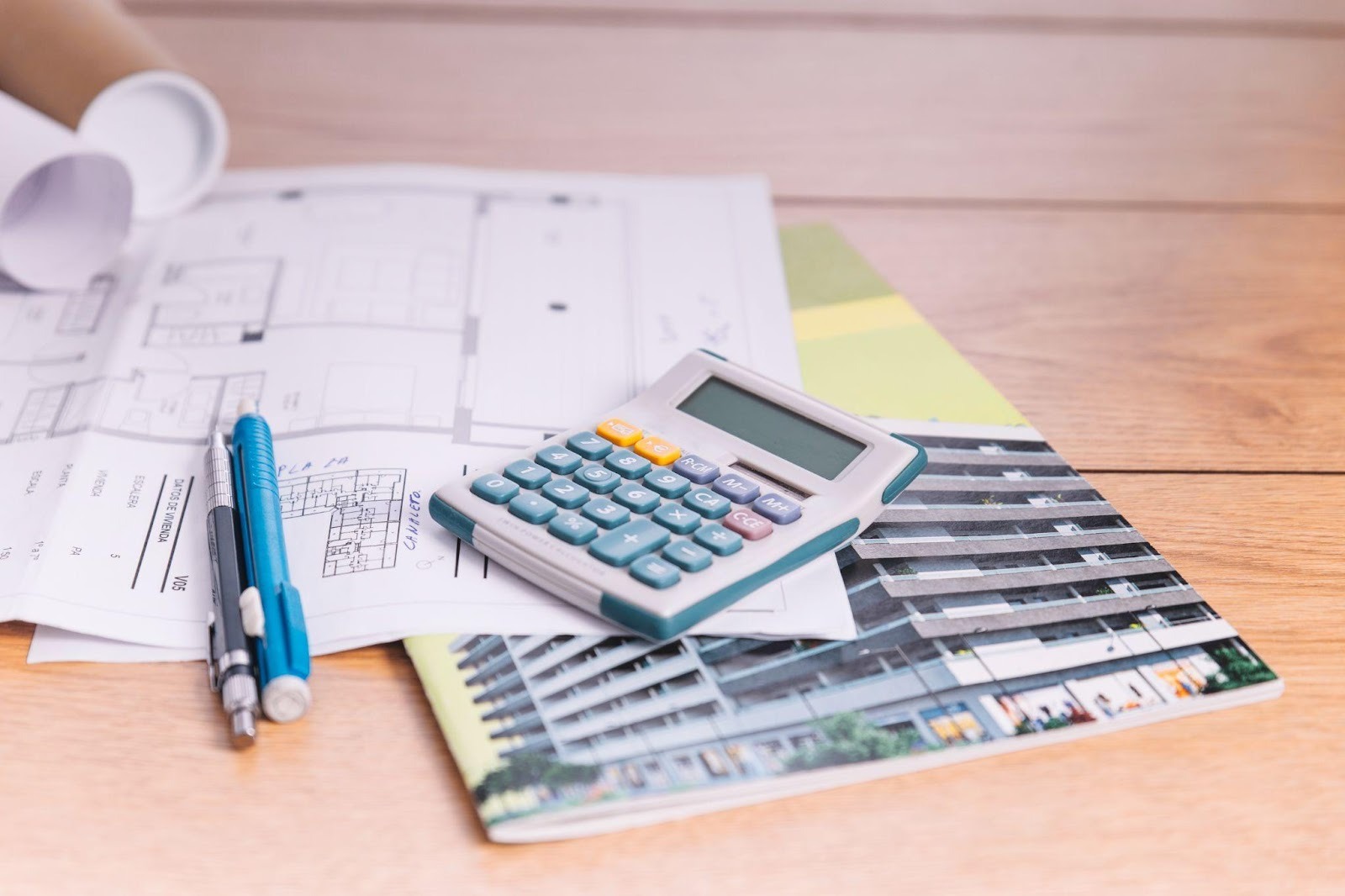
Estimating construction costs has always been one of the most critical parts of any construction project. In 2026, however, the process has evolved significantly. Rising material prices, labor shortages, supply chain fluctuations, and advanced estimating technologies have changed how contractors, builders, and developers approach project budgeting. Accurate cost estimation is no longer optional. Now it is essential for project success, profitability, and client satisfaction.
Whether you're a contractor, developer, architect, or project manager, understanding how to estimate construction costs in 2026 requires a combination of traditional knowledge and modern tools.
Why Accurate Construction Cost Estimation Matters in 2026?
Construction projects in the United States are becoming more complex. From residential homes to commercial buildings and infrastructure developments, projects now require precise budgeting to avoid delays and cost overruns.
Accurate cost estimation helps you:
With inflation, labor costs, and material pricing constantly shifting, having a reliable construction estimating strategy is more important than ever.
Step 1: Define Project Scope Clearly
The first step in estimating construction costs is understanding the complete scope of the project. Without a clear scope, estimates can quickly become inaccurate.
You should review:
In 2026, digital plan review tools are commonly used to streamline this process. These tools allow estimators to mark drawings, calculate quantities, and collaborate with teams more efficiently. A clearly defined scope ensures that no major elements are missed during the estimating process.
Step 2: Perform Quantity Takeoffs
Quantity takeoffs remain one of the most important parts of construction estimating. This process involves calculating the amount of materials required for the project.
Common takeoffs include:
Concrete estimation, in particular, requires careful attention. Foundations, slabs, footings, and structural elements must be calculated precisely. Working with an experienced concrete estimator can significantly improve accuracy and prevent costly mistakes. Professional estimators ensure that material quantities align with project specifications and site conditions.
Step 3: Analyze Material Costs
Material pricing in 2026 continues to fluctuate due to supply chain challenges and economic conditions. Estimators must use up-to-date pricing databases and supplier quotes.
Modern estimators rely on:
It is also recommended to include contingency allowances for price volatility. Many contractors now include 5%–10% contingency for material cost changes.
Step 4: Calculate Labor Costs
Labor costs vary based on:
In 2026, labor shortages remain a challenge in many parts of the United States. Estimators must account for higher labor rates and potential productivity delays.
Labor estimation includes:
Accurate labor forecasting helps avoid budget overruns later in the project.
Step 5: Include Equipment and Overhead Costs
Construction cost estimation also includes indirect costs such as:
Overhead costs are often underestimated. However, in 2026, these expenses have become a significant part of project budgets.
A comprehensive construction estimating approach includes both direct and indirect costs to ensure realistic budgeting.
Step 6: Consider Site Conditions and Risk Factors
Every construction site has unique challenges. Estimators must evaluate:
In 2026, environmental compliance and sustainability requirements also impact project costs. Projects now often include:
These factors should be included early in the estimating process.
Step 7: Use Modern Construction Estimating Software
Technology is transforming construction estimating in 2026. Contractors now use advanced software tools to improve accuracy and efficiency.
Popular modern tools include:
These technologies allow estimators to:
Using modern estimating technology helps contractors stay competitive and improve project outcomes.
Step 8: Apply Contingency and Profit Margins
After calculating all costs, estimators should add:
Contingency typically ranges from:
Profit margins vary depending on project size and risk level.
Adding contingency ensures that unexpected expenses do not affect project profitability.
Modern Construction Estimating Trends for 2026
Several trends are shaping construction cost estimation in 2026:
AI and Automation in Estimating
Artificial intelligence is now helping estimators analyze historical data, predict costs, and improve accuracy. AI tools reduce manual work and speed up bidding processes.
Cloud-Based Collaboration
Estimating teams can now collaborate remotely using cloud platforms. This improves communication and reduces delays.
Data-Driven Decision Making
Estimators rely on data analytics to forecast costs more accurately. Historical project data plays a key role in improving estimates.
Sustainability Cost Planning
Green building materials and sustainable practices are becoming standard. Estimators now include sustainability-related costs in project budgets.
Why Professional Estimating Services Matter in 2026
Many contractors and developers are now outsourcing estimating tasks to professionals. This helps them save time, reduce errors, and win more bids.
Professional estimating services provide:
Working with experienced estimators ensures that your project budget is realistic and competitive.
If you're looking for accurate project budgeting, professional construction estimating services can help streamline your bidding process and improve project profitability. Additionally, hiring an experienced concrete estimator ensures precise calculations for structural components, which is essential for project success.
Summing Up
Estimating construction costs in 2026 requires a strategic combination of experience, technology, and data-driven decision-making. With evolving market conditions and modern construction methods, accurate estimation has become more important than ever.
By clearly defining project scope, performing accurate takeoffs, analyzing labor and material costs, and using modern estimating tools, contractors can create reliable budgets and deliver successful projects.
As construction projects continue to grow in complexity, adopting modern estimating techniques and working with professional estimating services will help contractors stay competitive and profitable in 2026 and beyond.