
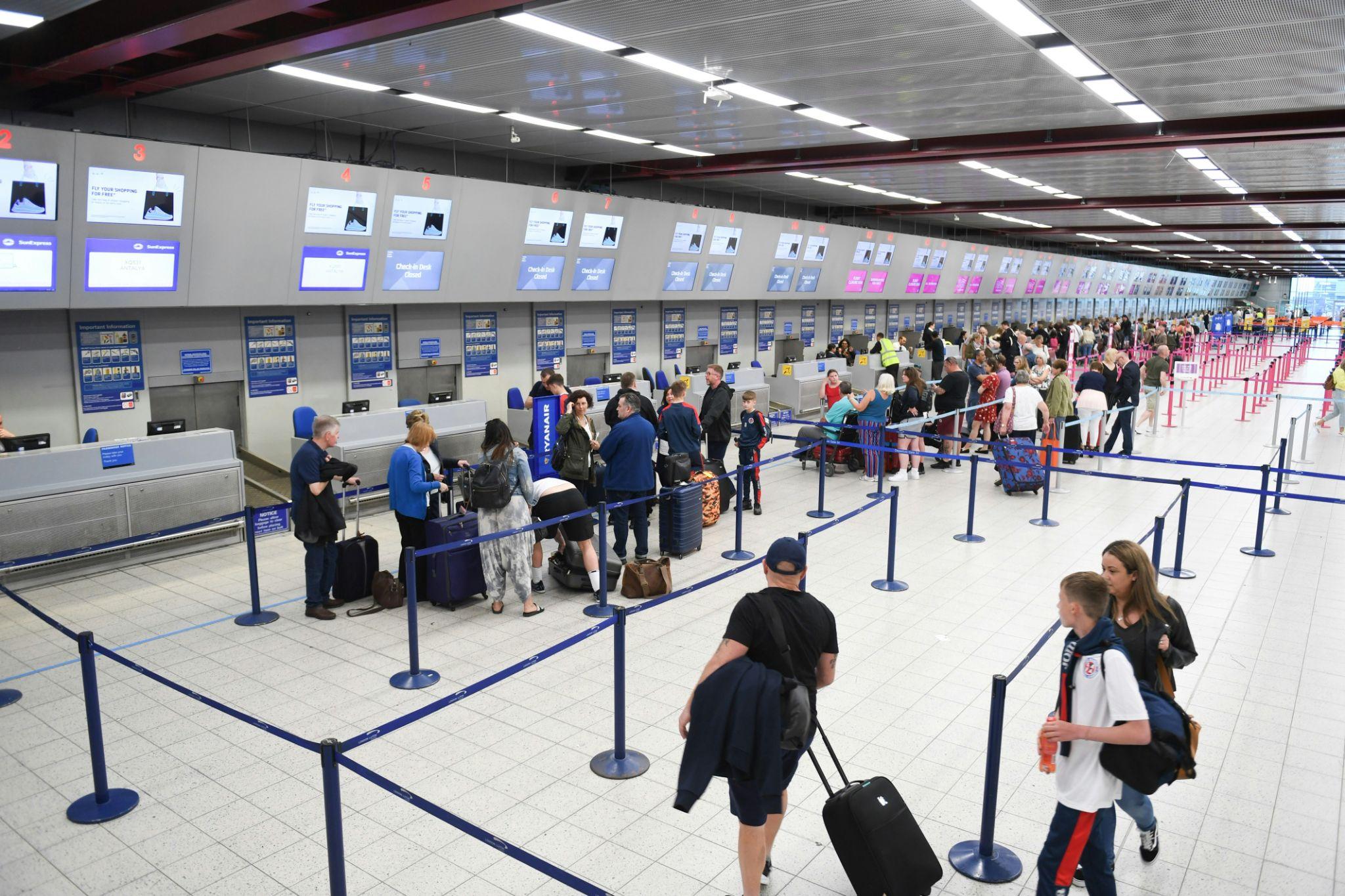
If you love the idea of cruising into Philadelphia in your own private plane, without the hustle and bustle of commercial terminals and long security lines, then you’ll want to know exactly where to touch down. In this deep dive, we explore the top airports for private jets flying into Philadelphia.
Not every airport is created equal when you’re flying private. Private pilots take into account the runway length and strength, FBO and ground services, proximity, traffic, and customs support. These are the leading considerations for anyone who wants to land a private jet in Philadelphia.
This is the big one. While PHL is known chiefly as a commercial airport, it also handles private and corporate traffic through a dedicated FBO. Atlantic Aviation has a full-service facility at PHL, offering fueling, aircraft services, ramp/parking, crew support, and VIP handling.
What makes PHL attractive is its massive capacity. It has long runways, strong infrastructure, and a presence of customs/immigration for international flights. But the downside is that since it’s a central commercial hub, there’s more coordination, potential delays, and higher costs like landing fees and ramp charges.
PNE is usually the top choice for private planes for many business and luxury serial flyers. It’s located about 13-14 miles northeast of Center City and operates mainly as a general aviation and reliever airport. It helps divert private traffic away from the main PHL flows.
PNE has two relatively long runways capable of accommodating most business jets and two FBOs, Atlantic Aviation and North Philadelphia Jet Center, which provide fueling, parking, maintenance, and lounges. It also has lower congestion, faster turnarounds, and a more private feel. Many private jet operators prefer PNE over PHL for these reasons.
But there’s one disadvantage. Although PNE has strong private aviation support, its customs and immigration capability is more limited or by arrangement, so you’ll want to confirm availability for international arrivals.
Wings Field, located in Blue Bell, PA, is well-known in the local private aviation community. Operated by flyAVANCED, it caters mostly to light jets, piston planes, turboprops, and personal aircraft.
However, its runway and infrastructure are smaller, so it is unsuitable for heavy jets. Wings Field is great for modest private aircraft because it offers a quieter, friendlier access point.
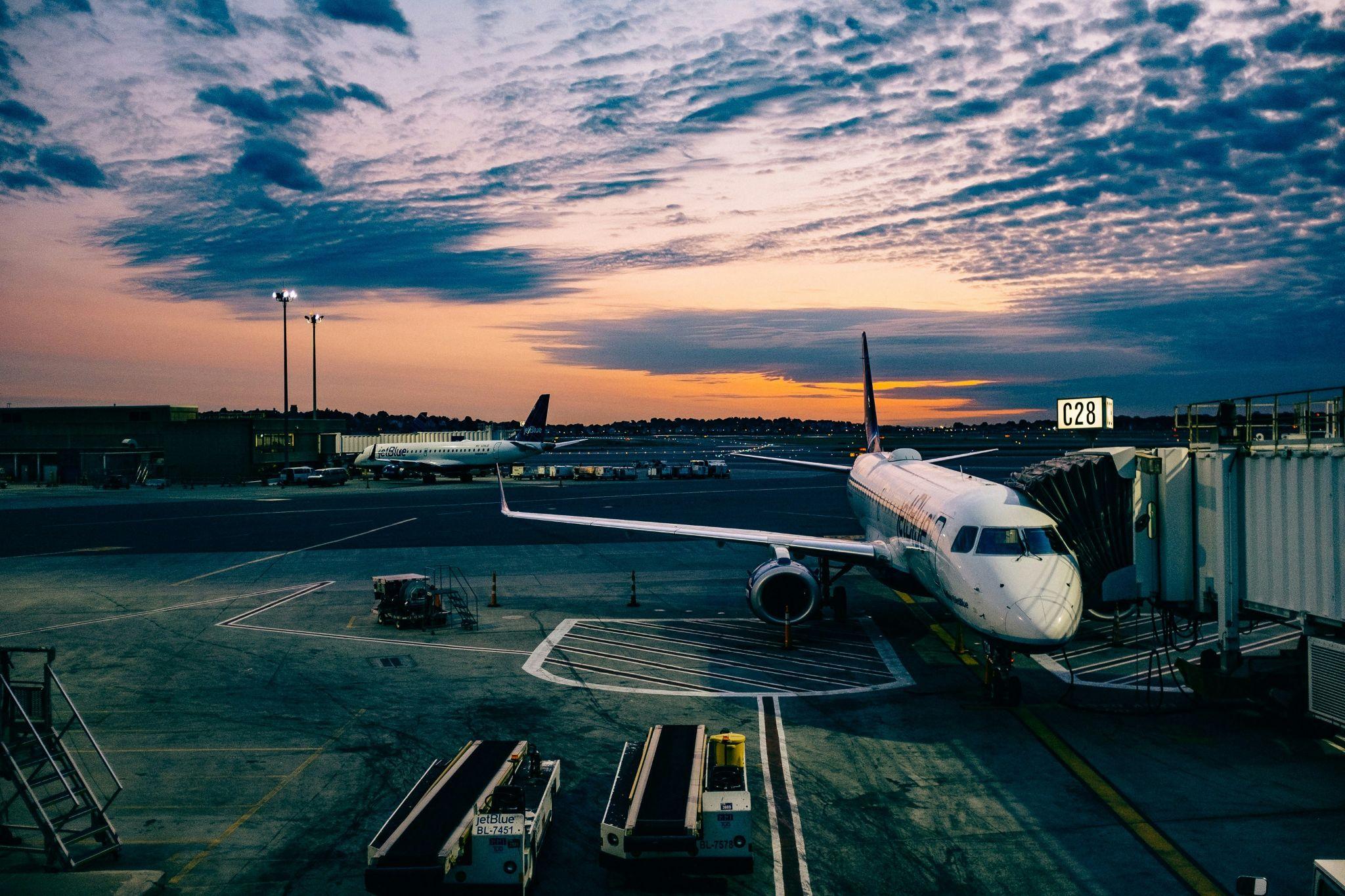
If your plane is lighter, or your destination lies in a specific suburb or neighboring state, you can consider other neighboring airports that accept private jets. But these smaller fields don’t have the heavy-jet infrastructure and complete customs services as larger airports.
Trenton-Mercer Airport (TTN/KTTN): Across the Delaware River in New Jersey, it offers decent runway length and business aviation amenities, making it a good option for flights approaching from the northeast or for access to NJ.
Doylestown Airport (DYL/KDYL): This has a smaller general aviation field and is better suited to piston or small turboprop craft.
Brandywine Regional (OQN/KOQN): The airport serves West Chester and the western suburbs. It’s good for lighter aircraft.
Pennridge Airport (CKZ/KCKZ): It’s located in the Perkasie area north of Philly. Although it’s modest in scale, it can service smaller general aviation traffic.
New Garden Airport (N57): It’s southeast of Philly, in Chester County, with a runway suitable for general aviation and light aircraft.
Private aviation has significantly impacted travel and tourism, causing many to look for the best airport. Whether it’s a charter company, corporate flight department, or private pilot, they consider several factors when choosing an airport in Philadelphia.
If you’re flying a Gulfstream or big business jet, you’ll want an airport with longer runways and robust pavement. PNE or PHL are likely your only choices. Smaller jets, turboprops, or piston planes have more flexibility and can use Wings Field of Doylestown depending on the range.
Smaller airports often mean lower landing, fuel, and handling fees and faster turnaround. However, depending on your needs, the convenience of arriving at a bigger airport might be more beneficial.
Using a non-commercial or reliever field like PNE will reduce the chances of delays caused by commercial traffic. This is important when considering the timing.
If your flight is international, you’ll need an airport that can facilitate customs. PHL is the more reliable option, although smaller fields sometimes allow customs by prior arrangement. Always check this in advance.
If your business meeting or stay is in the northeastern suburbs, arriving at PNE or Wings Field may save ground travel time. However, you might consider picking another field if you’re heading southwest or to New Jersey.
Major airports sometimes have slot constraints, curfews, or stricter scheduling protocols. This is less likely at smaller general aviation airports.
Private flyers considering where to land in Philadelphia should consider these tips:
Book in advance: Prior planning may be beneficial, especially for scheduling customs, ground transport, and arranging FBO services.
Check hours and staffing: Some FBOs, especially at smaller fields, might have limited operating hours.
Know your limits: Don’t push your jet to the brink by trying to use a runway that’s too short.
Compare all-in costs: Sometimes the savings of a smaller airport will evaporate once you consider ground transport, fuel inefficiencies, or shuttle logistics.
Philadelphia has a diverse range of options for private aviation, far beyond just the commercial terminal at PHL. Northeast Philadelphia Airport (PNE) ticks most boxes with enough runway, excellent FBOs, less traffic, and a private feel for high-end, hassle-free access. Other airfields like Wings Field, Doylestown, Brandywine, and Pennridge offer flexibility for smaller craft or niche missions.











