Protecting your property and assets requires more than just an alarm system. The type of surveillance system one uses can greatly affect the effectiveness of on-site security. There are two systems that are very common: solar security cameras and traditional CCTV systems. Each has its advantages and disadvantages, and understanding them thoroughly can allow homeowners and entrepreneurs to make effective decisions, keeping their properties safe.
Understanding Solar CCTV Cameras
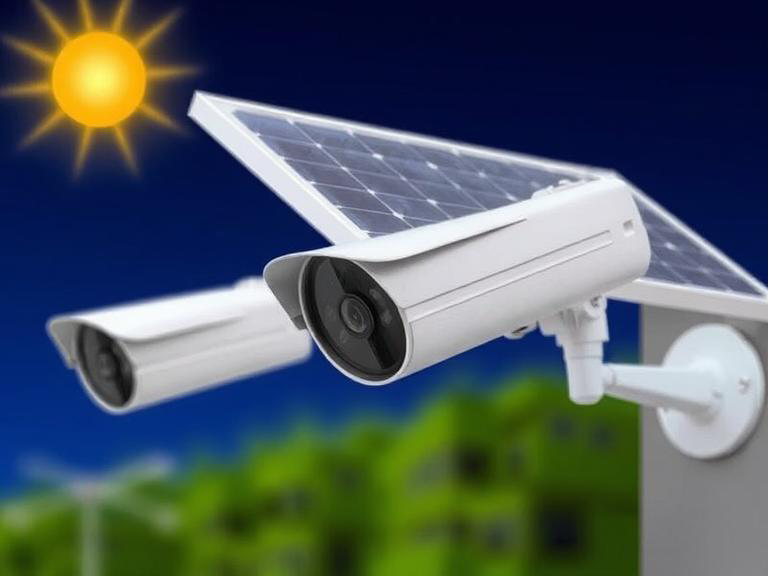
Solar CCTV cameras are revolutionizing the security industry with their independent solution through solar energy. As opposed to traditional cameras, which rely heavily on wired electricity, solar cameras harness light from the sun to provide continuous operation. This renders them extremely popular for remote locations or properties where wiring up for electricity is not convenient or expensive to do. Also, the latest solar CCTV models are generally equipped with high-resolution lenses, motion detection, and cloud storage capabilities, making them a great option for businesses looking to invest in cost-effective, eco-friendly security systems.
Benefits of Solar Security Cameras
Solar cameras have a couple of real-world advantages. For starters, they save on electricity bills because they run off the sun. That also means fewer ongoing costs to worry about.
Another plus is how easy they are to install. Since you’re not running wires through walls or across a site, setup is faster and a lot less disruptive.
Most modern systems also let you log in through an app, so you can check what’s happening in real time from your phone—whether you’re sitting at your desk or away on a trip.
And of course, they’re green. Using solar energy helps cut your carbon footprint while still keeping your property protected.
For businesses or sites where wiring is a headache, or where power supply isn’t reliable, a solar CCTV setup can be a very practical alternative.
Where They Fall Short
Still, solar isn’t perfect. They rely on sunshine, so if you get a week of bad weather and the batteries run low, performance can dip. The technology has come a long way, but in some cases, the picture quality and integration options are still a notch below high-end wired systems.
Traditional CCTV Cameras: Pros and Cons
Wired cameras, on the other hand, give you solid, no-surprise reliability. As long as you’ve got a power source, they’ll run nonstop and slot easily into most existing setups.
But that reliability comes at a cost. Installation usually means extra wiring, more initial expense, and, in most instances, professional maintenance. And, as if all that were not enough, they do not work during a blackout and, unlike solar CCTV, they present no green-friendly benefits.
Making the Right Choice
The choice of a solar CCTV security camera or a conventional system depends on several factors:
By taking these into consideration, residents and entrepreneurs can select a security solution that is best for them, offering protection as well as being cost-effective.
Conclusion
Solar security cameras represent a fresh, green alternative to the outdated CCTV systems, with the added flexibility and green advantage. And wired systems remain rock-solid for around-the-clock monitoring and high-end integration. Being aware of both their potential and limitations makes property owners capable of making sound choices, supporting their investment in overall on-site security. Picking the perfect system is not merely about technology—it's about peace of mind, efficiency, and long-term value.