
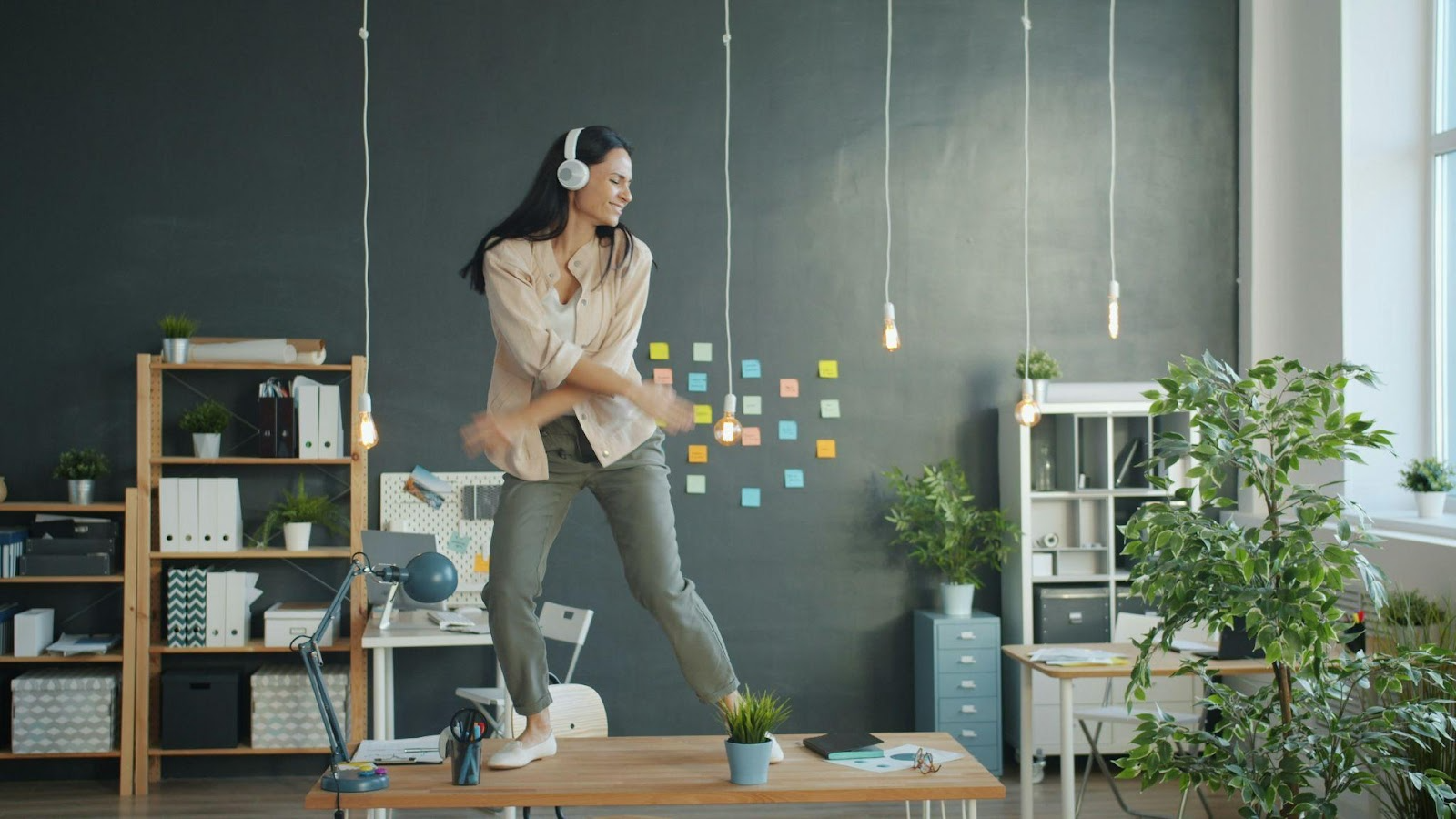
In an era when so many of us spend hours tethered to desks, laptops, and screens, the toll on the body and mind is undeniable. Long stretches of sitting lead to stiff shoulders, achy backs, and a kind of sluggishness that seeps into every part of the day. The solution doesn’t have to be a 90-minute workout squeezed into an already packed schedule. Increasingly, people are finding that small, consistent bouts of motion throughout the day make all the difference. Even tools like Flo Pilates are being integrated into home offices and living rooms to encourage mindful movement in minutes rather than hours.
The truth is, micro-movements, brief, intentional stretches, twists, or strengthening exercises, can prevent aches, sharpen focus, and even lift mood. And science is beginning to back up what many people have experienced firsthand: that moving a little, often, may be more powerful than moving a lot, rarely.
For years, public health experts have warned of the dangers of sedentary living. According to the National Institutes of Health, prolonged sitting is linked to higher risks of obesity, cardiovascular disease, and even depression. What’s more, when we sit without interruption for long stretches, our muscles essentially “turn off.” The glutes stop firing, the hip flexors shorten, circulation slows, and the spine bears more strain than it was designed for.
It’s no wonder so many office workers complain of tight hips, stiff backs, and chronic tension. Even if you exercise before or after work, those eight sedentary hours can still create harm. This is where micro-movement offers a practical lifeline.
Think of micro-movement as the opposite of “all or nothing” exercise. It’s about embedding small actions into the rhythm of your day. Instead of one long workout, you sprinkle in pockets of mobility, strength, or stretching.
It could be as simple as:
These movements don’t require a gym or even a change of clothes. They’re low-barrier, high-impact resets for both body and mind.
Physical health isn’t the only thing that benefits from micro-movement. Short bouts of activity have been shown to reduce cortisol (the body’s stress hormone) and boost endorphins, leading to sharper focus and better mood regulation.
Imagine the difference between sitting through back-to-back Zoom calls without pause, versus standing up for a brief stretch or a mindful breath between each one. The latter gives your brain a pattern interrupt, a reminder that you’re more than just your to-do list.
Even a short Pilates-style flow at your desk can create a grounding effect. This is why systems like Flo Pilates resonate with busy people: they’re designed to blend with everyday life, not demand an overhaul of it.
Poor posture is a silent thief of energy. When we hunch, our lungs compress, oxygen intake decreases, and fatigue creeps in. Micro-movements help retrain the spine and muscles to find better alignment.
Try this simple reset: plant your feet flat on the floor, sit tall, roll your shoulders back, and gently tuck your chin as though you’re balancing an apple on your head. Hold for a breath or two. That’s micro-movement at its finest, small, quick, but powerful enough to remind your body of its design.
One of the biggest hurdles to fitness is the belief that it requires massive effort. But micro-movement flips this narrative. Consistency trumps intensity. A few minutes of stretching, performed multiple times a day, can yield more benefits than a single, grueling session once a week.
It’s also easier to stick with. People are more likely to take a five-minute stretch break than they are to commit to an hour at the gym after an exhausting workday. This builds momentum, turning motion into a lifestyle rather than a chore.
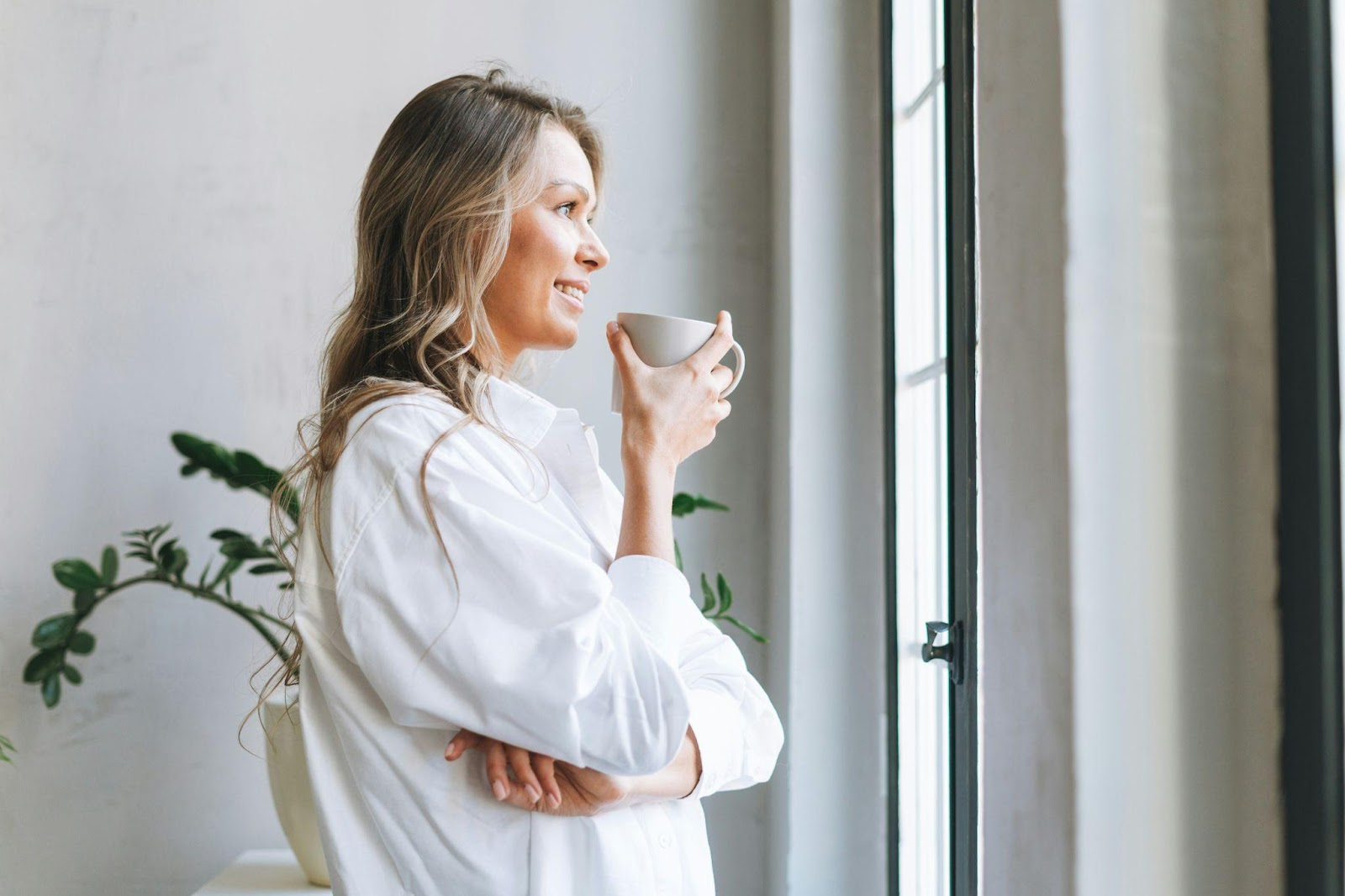
Here’s how a typical day might look with micro-movements woven in:
The beauty is that none of this requires carving out hours. Instead, you integrate motion into what you’re already doing.
Mental wellness is tightly woven into the way we move. Stagnation often fuels anxiety and lethargy. Moving, even briefly, gives the nervous system a reset. It tells the brain: “We’re safe. We can release.”
This is why micro-movement can be so effective in easing work-related stress. It’s a quiet act of reclaiming control, a reminder that your body deserves care even amid deadlines and digital demands.
Not everyone has access to a gym, but nearly everyone has a chair, a bit of floor space, or even a wall to lean against. That’s the beauty of micro-movement, it meets you where you are.
Those who do want more structure often find that adding simple, compact equipment (like resistance bands or reformers) encourages them to stick with it. Systems such as Flo Pilates are designed with this accessibility in mind, allowing people to weave mindful, low-impact motion into everyday life.
The science is clear, but more importantly, the experience is tangible. Moving even in small ways during the workday prevents stiffness, boosts energy, sharpens focus, and supports mood. Micro-movement isn’t about doing more; it’s about doing smarter.
For residents balancing busy lives, commutes, family schedules, and packed calendars, this approach is a lifesaver. Instead of postponing health to “someday,” you build it into the moments you already live.
So the next time you feel your back stiffen or your mind cloud over at work, don’t push through. Stand up, stretch, take a breath, or flow through a short series of mindful movements. Small shifts now may just save your back and your mood for years to come.











