
In every household, there comes a moment when something breaks: a chair wobbles, a drawer sticks, or a favorite table shows its age. For many, the easy response is to replace what’s broken. Yet there’s another, more rewarding option, repair. Small acts of restoration not only breathe new life into objects, they strengthen our connection to our homes and, in many ways, to ourselves. Even simple projects, like learning how to attach table legs, can become reminders that resilience is often built through small, steady efforts rather than sweeping overhauls.
Repairing what’s worn out is about more than preserving furniture or saving money; it’s about cultivating a mindset of care, patience, and resourcefulness that spills into other aspects of life.
We live in a culture that encourages disposal. From fast fashion to fast furniture, it’s easier than ever to toss aside what no longer looks new. Yet, taking the time to fix what’s broken carries value that extends beyond the material.
Repair is not only a practical decision; it’s a vote for sustainability and intentional living.
Our homes often mirror our inner state. A cluttered space can create mental fog, while an orderly, cared-for environment fosters calm and focus. When you take the time to make small repairs, you’re not just restoring an object, you’re strengthening your environment in ways that directly impact well-being.
Research from the American Psychological Association shows that clutter and disorganization can elevate stress and decrease productivity. Repairing and restoring, on the other hand, reinforces a sense of order and stability, creating an atmosphere where relaxation and clarity can thrive.
That wobbly chair you fix? It becomes more than just sturdy furniture, it’s a symbol of your ability to restore balance, even when things seem unsteady.
Resilience is often thought of as bouncing back from life’s major challenges, but it also shows up in how we handle the small frustrations. The drawer that sticks every time you open it or the squeaky hinge on a frequently used door can chip away at patience. Fixing them may seem minor, but it creates a ripple effect:
Repair becomes both a practice of mindfulness and a metaphor for persistence.
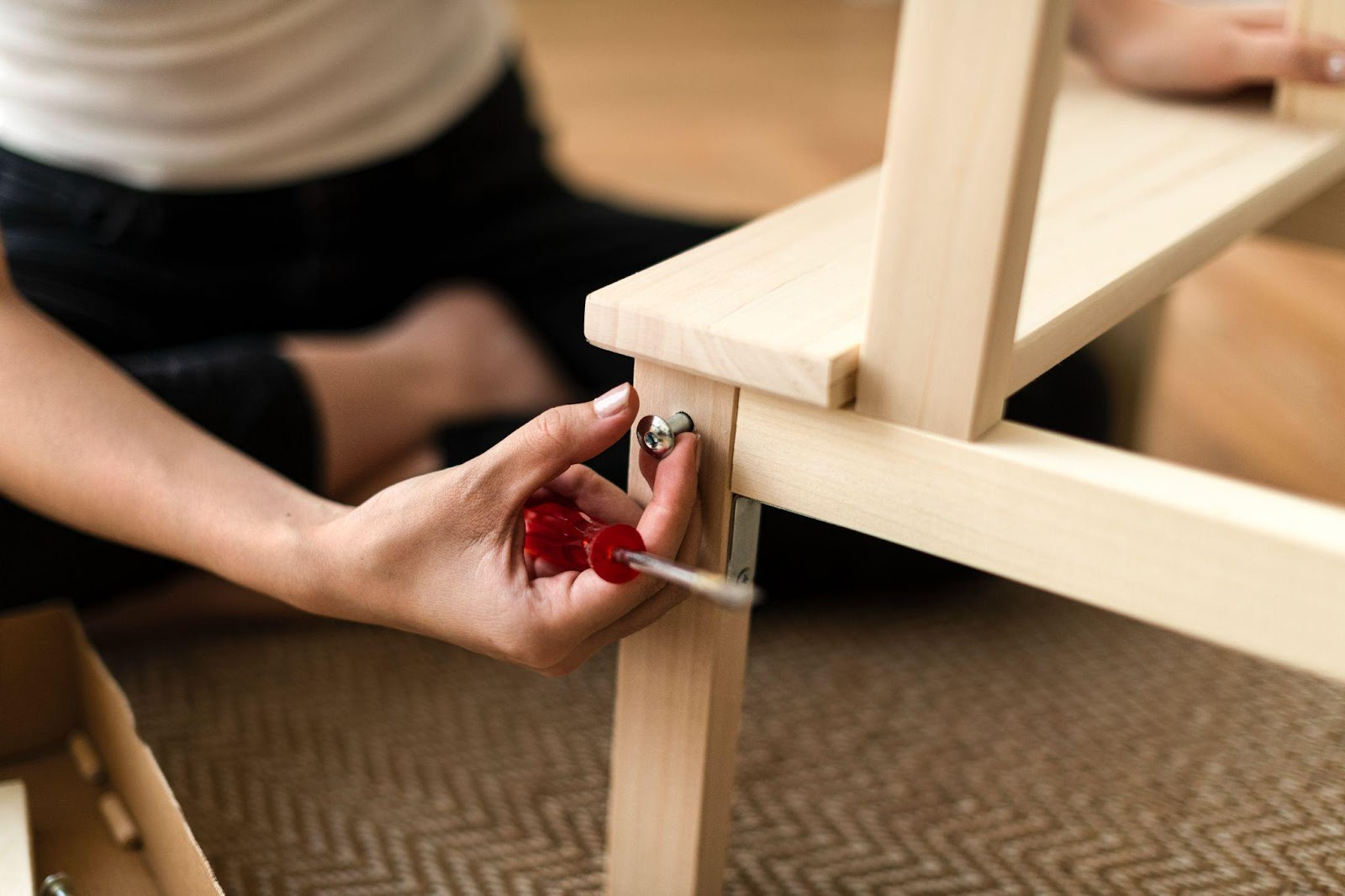
Repair doesn’t require advanced skills or a full tool shop. Many tasks can be completed in under an hour with minimal supplies, and each leaves a lasting impact on both the object and your sense of agency.
Even these modest projects can spark pride, teaching us that resilience is built in increments.
There’s a meditative quality to repair. Whether sanding a surface, tightening a screw, or sewing a tear, the rhythm of the act creates presence. Unlike scrolling through a phone or rushing from task to task, repairs demand attention and care in the moment.
In Japan, the art of kintsugi, repairing broken pottery with gold, embodies this principle. The idea is not to hide the break, but to honor it, transforming flaws into a feature of beauty. While we may not use gold to mend our household items, the philosophy applies: repairing is a way to honor the life of what we already have, while also valuing the lessons of imperfection.
Repairing at home can also foster community resilience. Neighborhood tool-sharing groups, repair cafés, and local workshops have gained popularity as spaces where people exchange knowledge and resources. These efforts not only save items from landfills but also create opportunities for neighbors to connect over shared projects.
The idea of a “repair economy” is gaining ground, highlighting the need for societies to shift from disposal toward sustainability. According to a report by The Guardian, repair cafés across Europe have diverted tons of waste while building stronger social bonds. Repair, it turns out, is as much about relationships as it is about objects.
Everyday repairs teach lessons that extend well beyond the home:
In this way, home repairs become acts of self-development, reinforcing the values of patience, resourcefulness, and integrity.
Of course, not all repairs can or should be tackled alone. Complex plumbing issues, electrical work, or structural problems often require professionals. Yet, by embracing the smaller repairs yourself, you gain the confidence to discern what’s manageable and when to seek help.
This balance mirrors life itself: knowing when to take charge and when to lean on others is a core component of resilience.
Home resilience is not about perfection but about care, attention, and persistence. Each repair, no matter how small, reinforces the idea that what is broken can be restored, and what is worn can be renewed.
Whether you’re figuring out how to attach table legs, oiling a squeaky hinge, or patching a wall, every act of repair is both a practical solution and a deeper affirmation of resilience. In tending to your home, you tend to yourself, building strength, patience, and appreciation along the way.