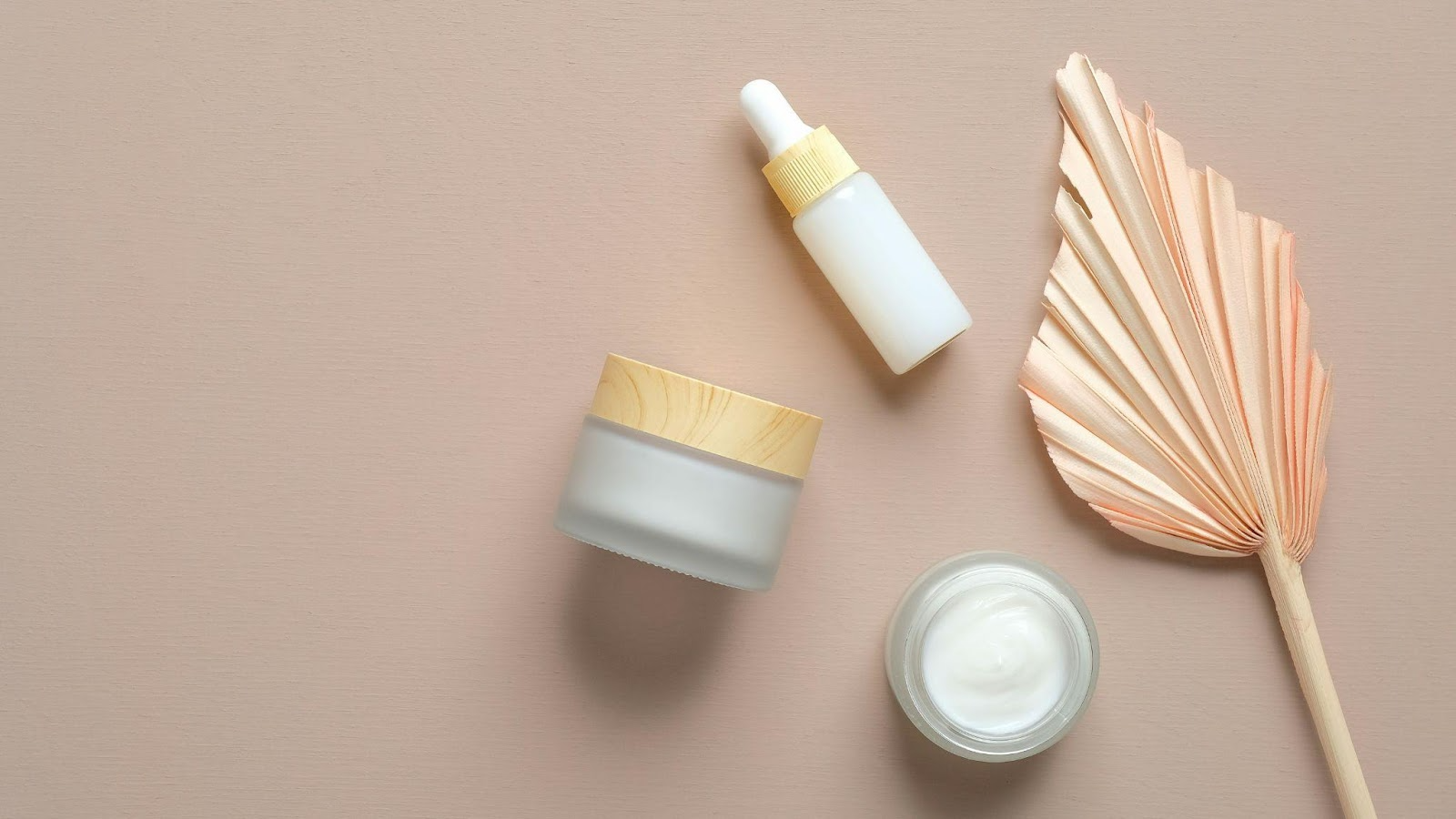
When it comes to what we put on our skin, today’s consumers are more discerning than ever. Labels are scrutinized, ingredients are Googled, and flashy promises are met with raised eyebrows. In this new era of conscious consumption, clean beauty has emerged not just as a trend, but as a movement rooted in trust, transparency, and authenticity. Brands like Oshun embody this shift, emphasizing minimal, natural ingredients and rituals that go deeper than mere cosmetics. Yet the clean beauty industry is about much more than products, it’s about rebuilding confidence in a skeptical market.
The beauty industry has always thrived on aspiration. For decades, glossy ads and celebrity endorsements told consumers what they needed to look like, and what products would supposedly get them there. But that playbook no longer works. Shoppers today want facts over fantasies. They want to know exactly what they’re putting on their bodies, how it’s made, and what it truly does.
According to Harvard Health, the shift toward clean beauty is largely driven by consumer concerns over potentially harmful chemicals in skincare and cosmetics. With increased access to information, people are questioning parabens, sulfates, synthetic fragrances, and other additives that once went unnoticed.
Trust, then, is no longer just a byproduct of brand reputation, it’s the product itself.
Transparency is the cornerstone of clean beauty. Brands that thrive in this space are those that put their ingredient lists front and center, with nothing to hide. For consumers, transparency equals honesty, and honesty builds credibility.
This means:
For many buyers, it’s no longer enough to know that a lotion “moisturizes.” They want to understand why it works, and how the ingredients interact with their skin. Transparency demystifies the process and bridges the gap between product and person.
The rise of clean beauty has also coincided with a cultural shift toward minimalism. In an age of overconsumption, many consumers prefer fewer, better products rather than cluttered bathroom shelves.
Minimalism in beauty isn’t just about aesthetics, it’s about efficacy. When a bar of soap or a moisturizer is crafted with only a handful of natural ingredients, it feels more trustworthy. Consumers often equate simplicity with safety and authenticity.
Brands like Oshun highlight this philosophy by producing soap with just a handful of carefully chosen ingredients, letting the purity of the product speak louder than marketing claims.
Another defining characteristic of the clean beauty movement is the shift from routine to ritual. Rather than rushing through skincare as another chore, many people are embracing it as a moment of mindfulness. Using clean beauty products often carries a sense of intention, an acknowledgment that what you’re applying is safe, ethical, and nurturing.
This emphasis on ritual deepens the emotional bond between consumer and brand. It turns a bar of soap into more than just soap; it becomes part of daily wellness.
Skepticism in today’s market isn’t only about ingredients, it’s about values. Increasingly, shoppers demand sustainability and ethical sourcing. They want to know their purchases aren’t harming the planet or exploiting workers.
Clean beauty aligns closely with these values. Packaging innovations like biodegradable wraps, refill systems, or plastic-free designs are no longer fringe, they’re expectations. Similarly, brands that can demonstrate ethical sourcing of natural ingredients win trust by showing that their values match those of their customers.
While clean beauty emphasizes natural ingredients, science plays a vital role in building trust. Consumers don’t just want natural, they want effective. Bridging the gap between science and nature is where many clean beauty brands excel.
For example:
This dual commitment ensures that clean beauty doesn’t fall into the trap of being dismissed as “all-natural but ineffective.” Instead, it presents itself as the best of both worlds.
One of the strongest ways clean beauty builds trust is through storytelling. Unlike faceless conglomerates, many clean beauty brands emerge from small-batch production, family traditions, or personal health journeys. These stories resonate because they feel real.
When customers can trace a product back to a founder’s vision or a family farm, it creates a sense of intimacy and connection. Word-of-mouth, whether in person or through online communities, becomes the most powerful marketing of all.
Another layer of trust comes from certifications and independent testing. While the beauty industry is still lightly regulated compared to food or pharmaceuticals, third-party labels like “organic,” “cruelty-free,” or “halal-certified” provide reassurance to cautious consumers.
Even something as simple as dermatological testing or allergen-free verification can boost confidence. For clean beauty brands, seeking these certifications isn’t just about compliance, it’s about signaling reliability.
Today’s consumers don’t just buy products, they research them. The rise of ingredient-checking apps, online reviews, and social media discussions has made beauty one of the most transparent industries.
For brands, this creates both pressure and opportunity. Every claim can be scrutinized, but every positive review can amplify credibility. Companies that embrace this environment by openly sharing research, sourcing information, and testimonials stand out from those that avoid scrutiny.
Interestingly, while clean beauty is a global movement, much of its strength comes from local roots. Consumers often place greater trust in small, artisanal makers than in massive corporations. Products that feel handmade, small-batch, or community-oriented carry an authenticity that mass-produced items struggle to replicate.
This doesn’t mean clean beauty can’t scale. Instead, it means that even as brands grow, they must maintain that sense of intimacy and care that first earned them loyal customers.
As clean beauty evolves, the question isn’t whether consumers will continue to demand transparency and simplicity, they already do. The real question is how brands will innovate to keep pace with rising expectations.
We may see:
What’s certain is that trust will remain at the core. In a skeptical market, no amount of flashy packaging or celebrity hype can replace the reassurance of honesty, integrity, and efficacy.
Clean beauty has rewritten the rules of the industry. It has transformed skincare and cosmetics from a world of marketing gloss into a culture of transparency, sustainability, and authenticity. In this landscape, trust isn’t earned with big promises, it’s built through every ingredient, every certification, every story, and every ritual.
And for consumers navigating an often overwhelming marketplace, that trust is priceless.