Cognitive health is as vital to senior well-being as physical strength or mobility. While aging naturally brings changes to memory, attention, and problem-solving, these shifts don’t have to mean decline without hope. With the right strategies, seniors can keep their minds sharp, engaged, and resilient.
At Montgomery Village Health Care Center, experts emphasize that one of the most powerful tools for maintaining cognitive function isn’t always found in medications or formal therapies; it’s in the small, everyday activities that bring structure, joy, and meaning to life. From conversations at the breakfast table to puzzles, art projects, and gentle movement, daily routines can transform into exercises for the brain.
Why are daily activities relevant for the brain:
This holistic view of cognitive health shifts the focus from decline to possibility, showing that every day offers an opportunity to nurture the mind.
Engaging the brain regularly is like giving it a daily workout. Just as muscles grow stronger with exercise, the brain thrives when challenged and stimulated. Everyday activities that seem ordinary, like gardening, cooking, or chatting with neighbors, actually provide meaningful opportunities for memory recall, decision-making, and creativity.
At Montgomery Village Health Care Center, this approach is built into rehabilitation and long-term care programs, where daily interactions and routines are viewed as essential tools for protecting and enhancing cognitive function.
Cognitive engagement doesn’t have to be complicated. Simple activities can have powerful benefits when done consistently:
By blending fun with function, seniors are more likely to stick with these activities and reap long-term benefits.
Families and caregivers are often the bridge between structured rehabilitation programs and everyday life at home. Their presence and encouragement turn ordinary moments into opportunities for growth. Something as simple as reminding a loved one of their daily schedule or inviting them to join in a puzzle or walk can strengthen memory and confidence over time.
When caregivers take an active role, they help make rehabilitation consistent and meaningful, even outside the center’s walls.
Ways caregivers can support cognitive health include:
Caregivers don’t have to do this alone. They can work hand-in-hand with professionals at Montgomery Village Health Care Center to receive guidance and reassurance. This collaboration ensures that the strategies used at home complement the activities done in the center. Together, families, caregivers, and care teams create a strong support network that helps seniors thrive both mentally and emotionally.
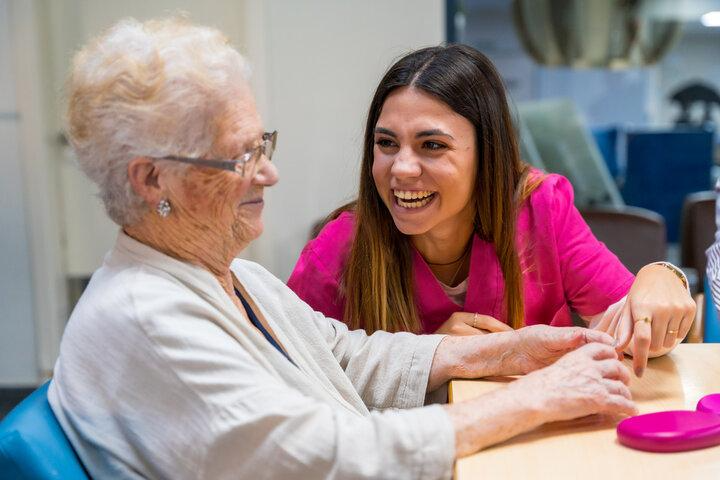
The value of daily cognitive engagement extends far beyond strengthening memory. When seniors actively stimulate their minds, the positive effects touch every part of their lives.
At Montgomery Village Health Care Center, cognitive wellness is seen as more than just completing exercises or following tasks. It is about enriching everyday life, helping seniors laugh more often, connect more deeply, and live with a renewed sense of purpose.
Cognitive function may naturally change with age, but decline is not the only path forward. With consistent daily activities, seniors can strengthen their minds, stay engaged, and enjoy a greater sense of independence and joy.
By championing approaches that prioritize the everyday routines of seniors, Montgomery Village Health Care Center demonstrates that cognitive health can be nurtured not only in therapy rooms but also at dining tables, in art studios, during walks, and in conversations with loved ones. Every day becomes an opportunity to keep the mind active, connected, and thriving.