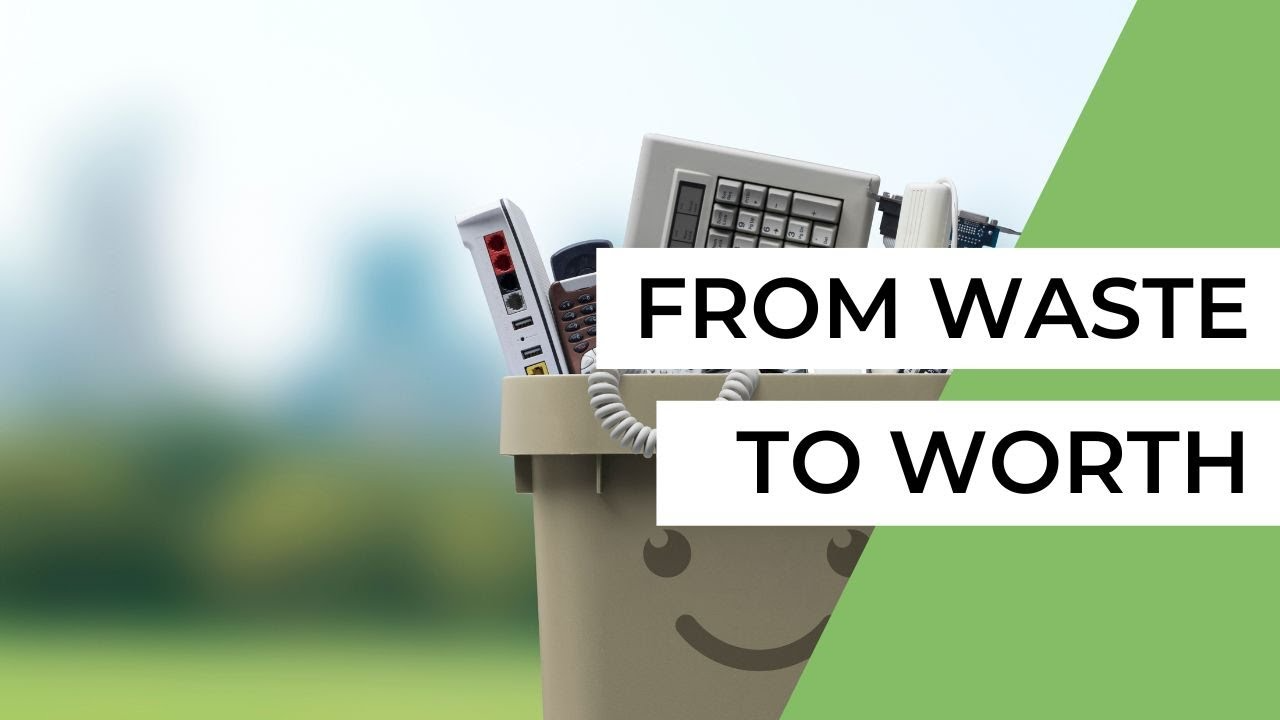
Plastic waste has become one of the defining environmental challenges of our time. As consumption grows and waste streams expand, the question isn't just how to clean up our mess, but how to redesign the system that created it. The answer lies in treating waste not as garbage, but as a resource. Recycled plastic products are leading this transformation, turning discarded materials into valuable, usable goods across industries.
This shift isn't just about sustainability. It's about resilience, innovation, and a smarter economy that rewards circularity over excess. In this article, we'll explore how recycled plastics are powering a global movement from waste to worth, and how businesses, communities, and consumers can be part of the solution.
The world now produces more than 400 million tons of plastic annually. Despite increasing awareness, only about 9 percent is effectively recycled. The rest ends up in landfills, incinerators, or worse, our oceans and food systems.
In 2025, the environmental and health consequences are becoming harder to ignore. Plastics do not just degrade ecosystems. They directly affect human well-being. Research has confirmed alarming details about the effects of plastic pollution on human health, including endocrine disruption, respiratory inflammation, and toxic chemical exposure. These risks are especially high in vulnerable communities living near waste sites or relying on contaminated food and water.
At the same time, there is growing recognition of the benefits of circular economy. Circular models prioritize reuse, refurbishment, and recycling over extraction and disposal. This not only reduces waste and carbon emissions, but also strengthens supply chains and creates new economic opportunities. Recycled plastic products are central to this shift, offering a tangible and scalable way to keep materials in use and out of the environment.
Technological breakthroughs are rapidly improving the efficiency and quality of plastic recycling. Here are some of the most promising advancements driving the waste-to-worth revolution:
Modern mechanical recycling systems use high-efficiency washing, sorting, and extrusion technologies to process a wider range of plastic types with less contamination. This method is ideal for rigid plastics like PET and HDPE, commonly used in bottles and containers.
Chemical recycling breaks plastics down to their original monomers, allowing for the creation of virgin-quality plastic without new fossil fuel inputs. Methods like pyrolysis and solvolysis are gaining ground, particularly for hard-to-recycle materials such as multilayer packaging or mixed waste.
AI-powered sorting systems use machine vision and sensors to identify and separate plastics by type, color, and even chemical composition. This drastically reduces contamination and increases recovery rates.
Enzymes like PETase are being developed to degrade plastics under mild conditions, offering a low-energy, scalable alternative to traditional methods. While still emerging, these technologies could become game-changers for biodegradation in the next decade.
Beyond recycling, upcycling turns plastic waste into higher-value products. Examples include modular furniture, construction materials, 3D printing filaments, and fashion textiles. These applications often use plastics that would otherwise be incinerated or dumped.
Recycled plastics are already being used across multiple sectors, providing functional, aesthetically pleasing, and durable alternatives to virgin materials. Some leading use cases include:
Brands are now creating clothing, shoes, and accessories using recycled PET from bottles and ocean-bound plastic. Polyester yarns made from plastic waste are almost indistinguishable from conventional textiles, offering a greener supply chain for fashion.
Recycled plastics are being used in bricks, tiles, roads, and insulation panels. These materials are not only strong and lightweight but also resistant to water, rot, and corrosion, making them ideal for climate-resilient infrastructure.
Designers are producing furniture made from compressed or molded recycled plastic sheets. These products blend sustainability with aesthetics and are increasingly popular in commercial spaces.
Recycled plastic is found in everything from phone cases to kitchenware to cosmetic containers. As brands respond to consumer demand for low-impact products, post-consumer recycled (PCR) content has become a selling point.
For businesses, recycled plastics offer more than a green reputation. They represent a strategic asset that aligns with long-term value creation. Here's why:
TONTOTON is at the forefront of transforming plastic waste into valuable material. By focusing on non-recyclable and ocean-bound plastic, the organization addresses what most systems ignore. Their impact model is built around three pillars:
TONTOTON empowers coastal communities to collect and process plastic waste. This not only stops leakage into marine environments but also creates livelihood opportunities in underserved areas.
Through its TTT Recycling Studio, TONTOTON produces recycled plastic sheets and goods that meet strict environmental and social standards. The materials are traceable and verified, giving partners confidence in their impact.
The One+One program allows businesses to take responsibility for both recyclable and non-recyclable plastic by funding certified recovery and recycling. This goes beyond traditional offsetting to create real, measurable change.
In 2025, TONTOTON’s model is helping bridge the gap between environmental goals and practical implementation, making it easier for companies to be part of the circular economy without sacrificing performance or quality.
Recycled plastic products are goods made from post-consumer or post-industrial plastic waste that has been processed and reintroduced into the manufacturing cycle.
Yes. When processed correctly, recycled plastics can meet the same safety and durability standards as virgin materials, especially in applications like packaging, construction, and consumer goods.
They reduce demand for fossil fuel-based virgin plastic, cut greenhouse gas emissions, prevent plastic pollution, and minimize landfill usage.
Fashion, construction, packaging, consumer electronics, and furniture manufacturing are among the top sectors embracing recycled plastic materials.
Absolutely. TONTOTON offers programs like the One+One plastic credit system and can provide certified, traceable recycled materials through its TTT Recycling Studio.
Recycled plastic products are more than just an environmental fix. They are a blueprint for a new kind of economy—one that values resilience, responsibility, and regeneration. The technology exists. The market is growing. The urgency is real.
For individuals, the first step is to support products and brands that prioritize recycled content. For businesses, now is the time to rethink material strategies, engage with credible partners, and invest in systems that turn waste into opportunity.
Partner with TONTOTON to create a cleaner, fairer, and more sustainable future, one product at a time.
Explore how your business can join the circular economy with TONTOTON.
Learn more about our One+One program or contact us to get started.